
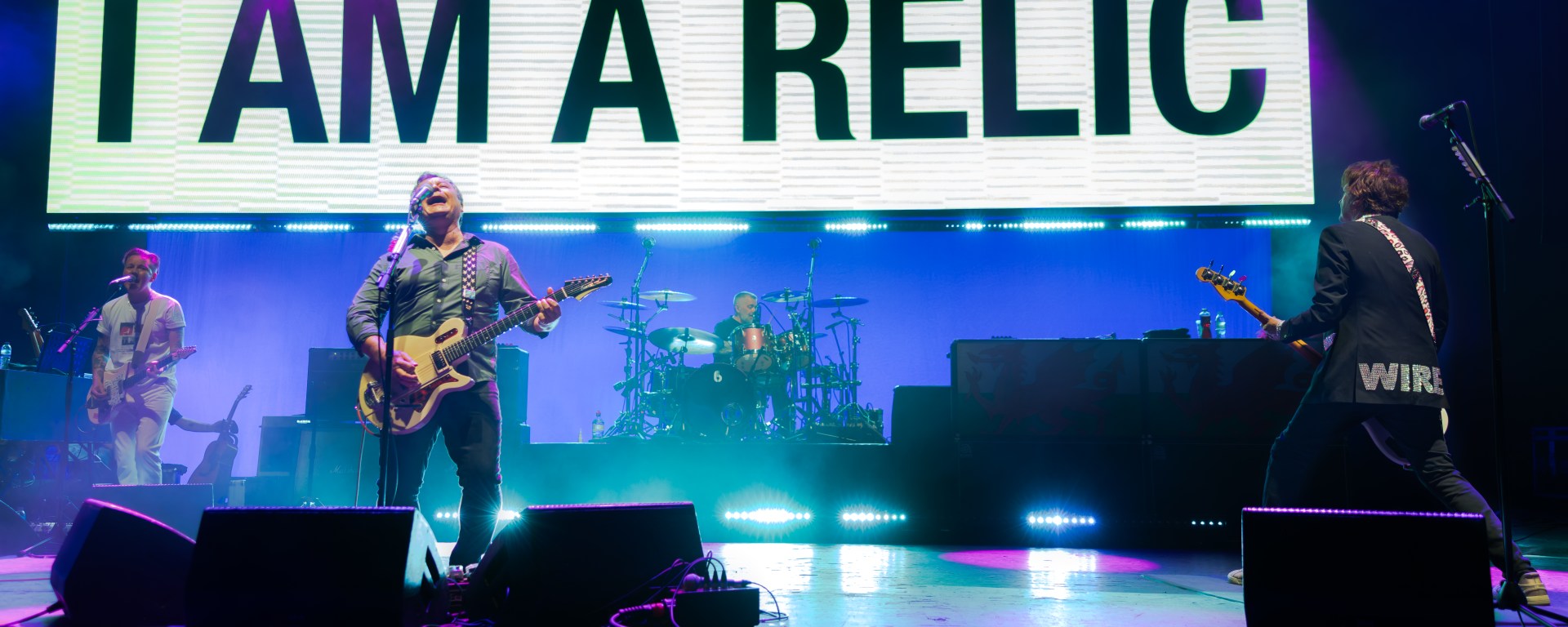
There are bands who chase the moment, and then there are bands who shape the era around them. Manic Street Preachers are unmistakably the latter. Not just still standing, but still going full tilt, with brains, bite, and more than a few battle scars. From teenage bedrooms in Blackwood to headline slots at Glastonbury, they’ve never dumbed it down or smoothed it over. For over thirty years, they’ve been slipping radical ideas into huge singalongs — even if you’ve had to look up the lyrics once or twice.
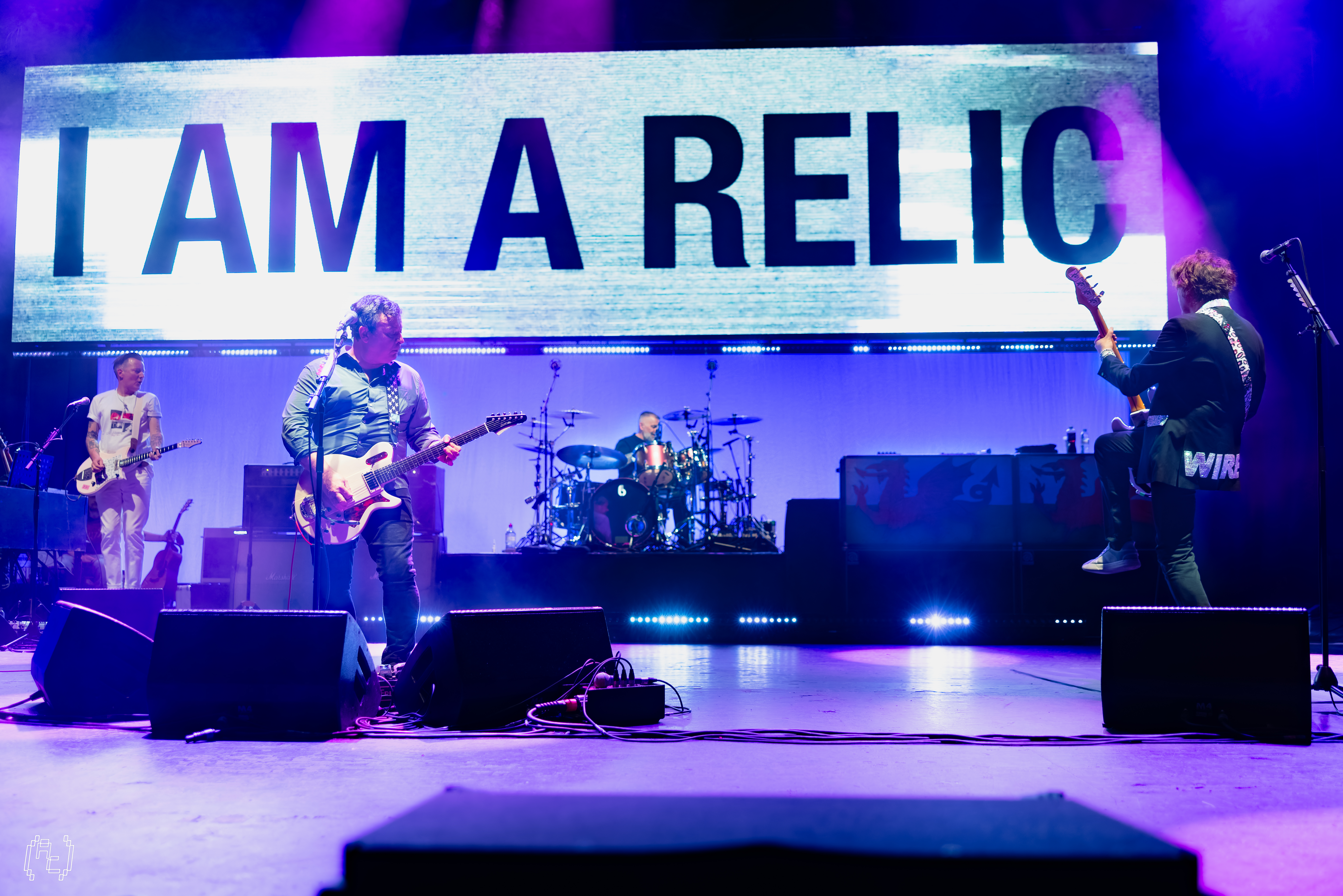
And here in Manchester, on the first of two nights at the O2 Apollo, it’s clear why they still matter. The crowd at the Apollo is multi-generational. Gen X veterans standing beside teenagers who discovered The Holy Bible through their parents’ record collections. It’s a living archive of denim jackets and lyric tattoos, of kids in eyeliner mouthing words written before they were born. This isn’t all nostalgia, it’s part inheritance. There are no gimmicks, no false encores, just a band who know what they mean to people and don’t take it for granted.
They begin with “Decline & Fall,” a strident opener that sets the tone for a set that never coasts. “Enola/Alone” sounds even more uneasy now than it did back in the ’90s. “La Tristesse Durera (Scream to a Sigh)” still lands like a punch in the gut. A pop song about forgotten war veterans that somehow still feels sharp as ever.
Next up, “Brushstrokes of Reunion,” one of the newer ones that finds its place in the set nicely. Then “You Stole the Sun From My Heart,” catchy on the surface but laced with tension underneath. “She Is Suffering” gets stripped back to a trio and cuts even deeper for it. “Peeled Apples” follows, and that’s where things really erupt. Lifted from Journal for Plague Lovers, made from Richey Edwards’ lyrics, it’s jagged and raw and doesn’t let up. Hearing it live like this is as much a tribute as it is a release, they haven’t forgotten where they came from.
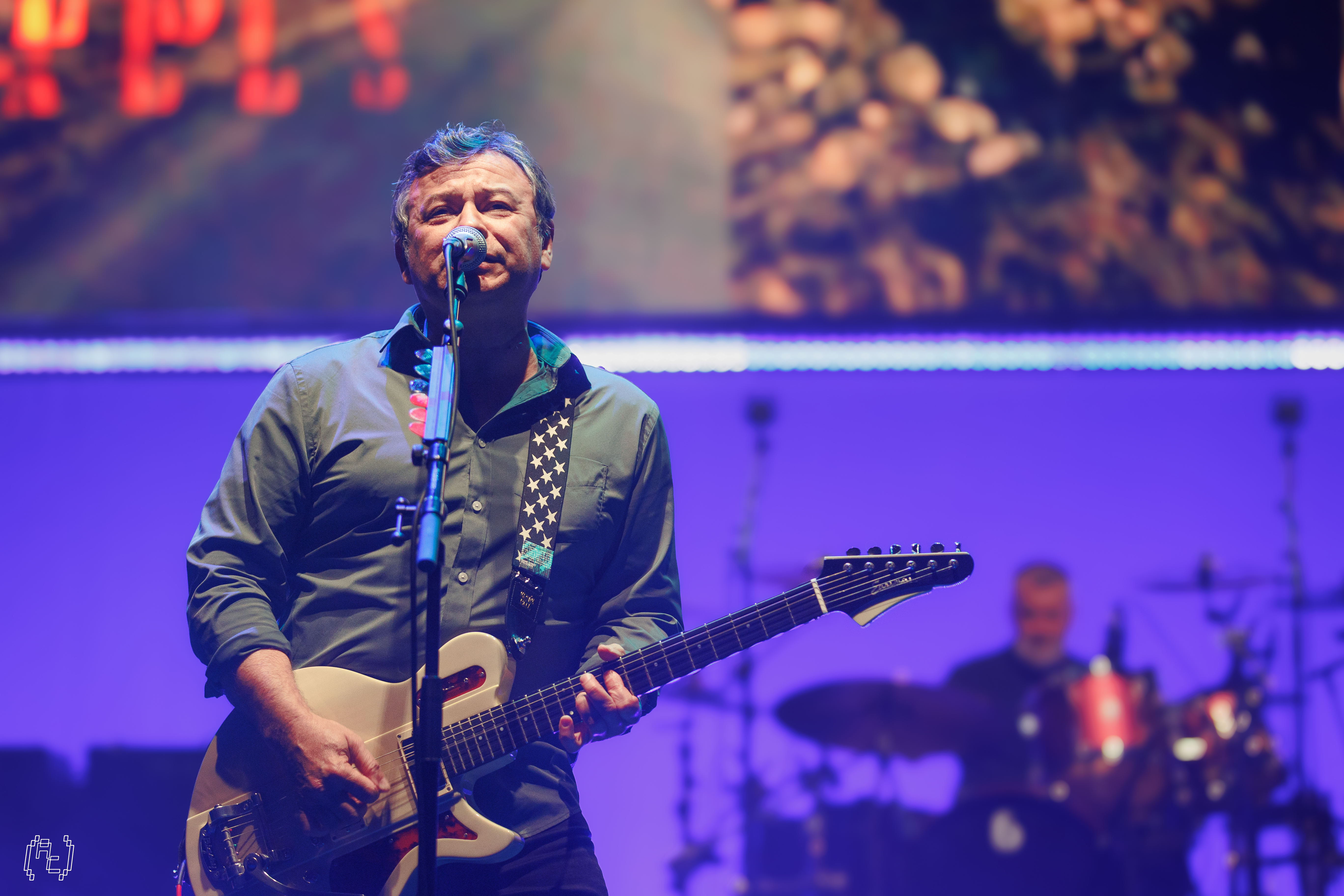
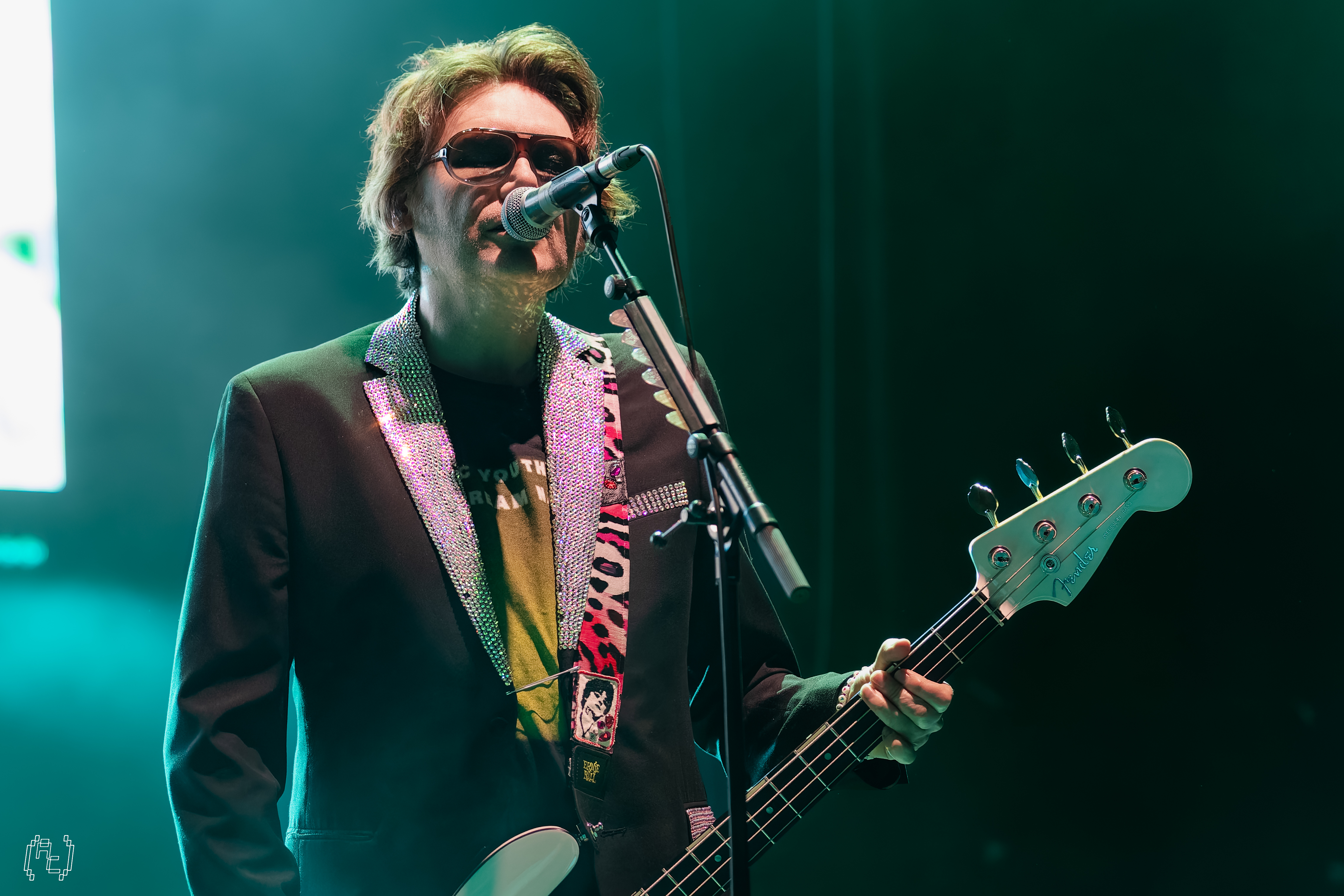
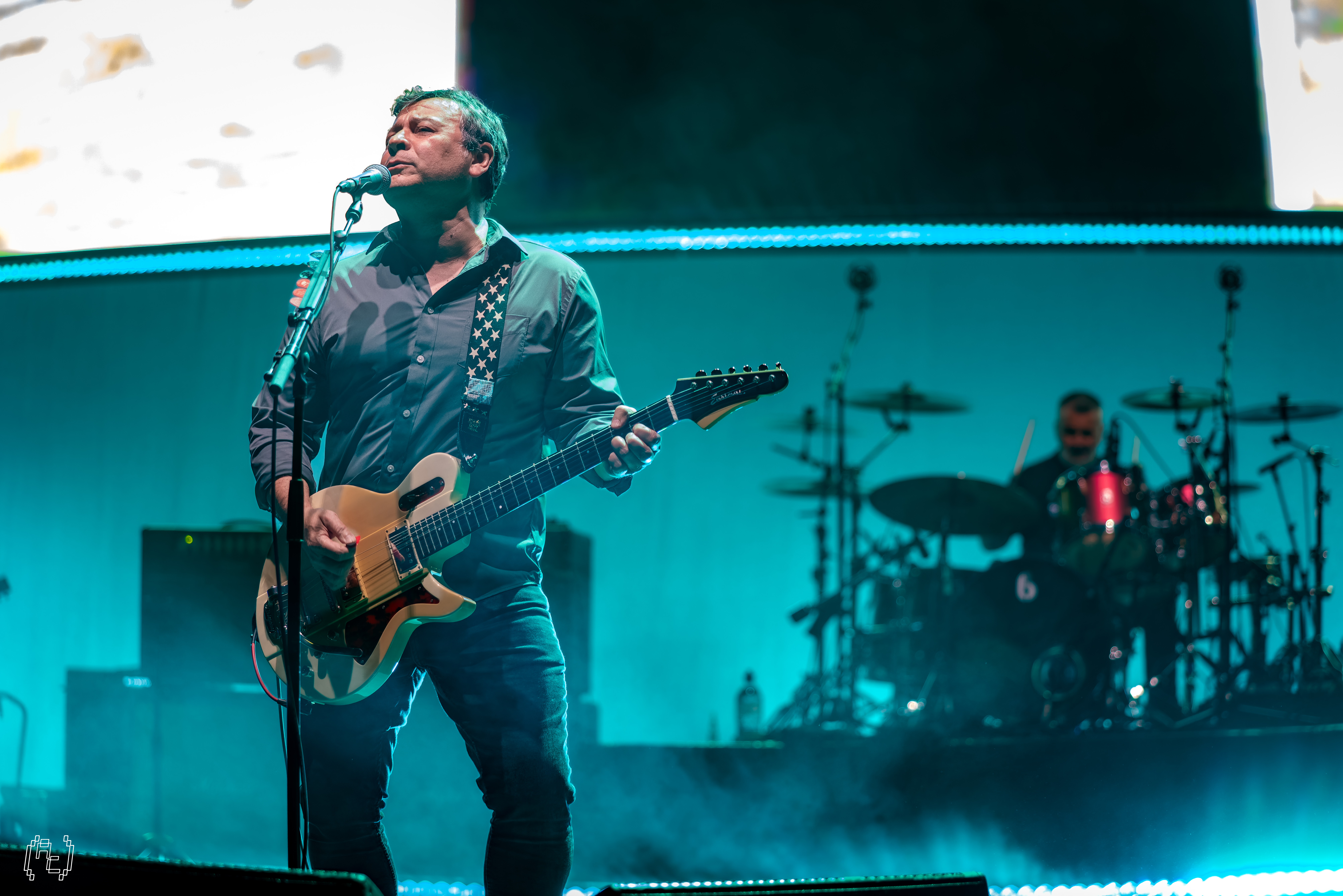
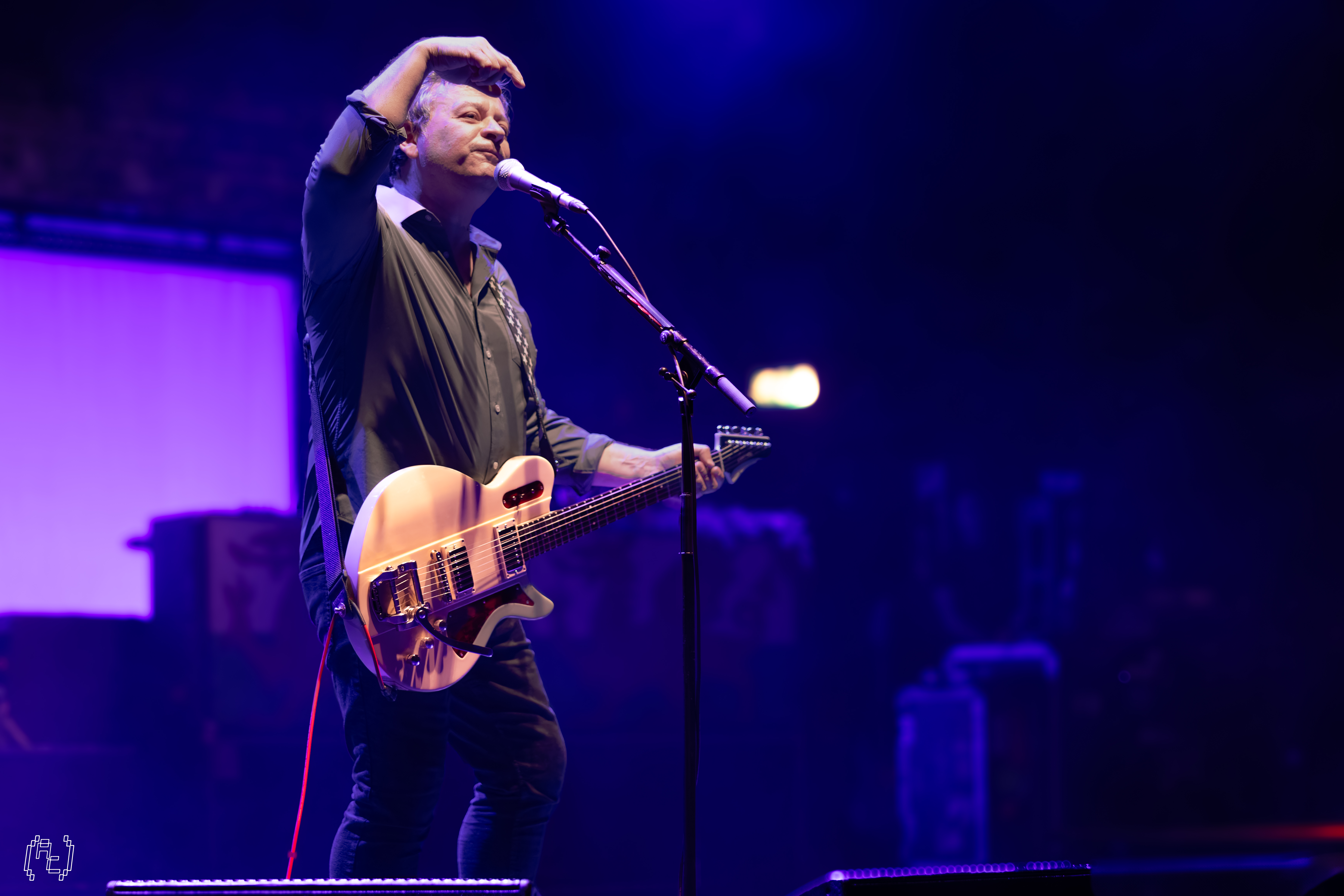
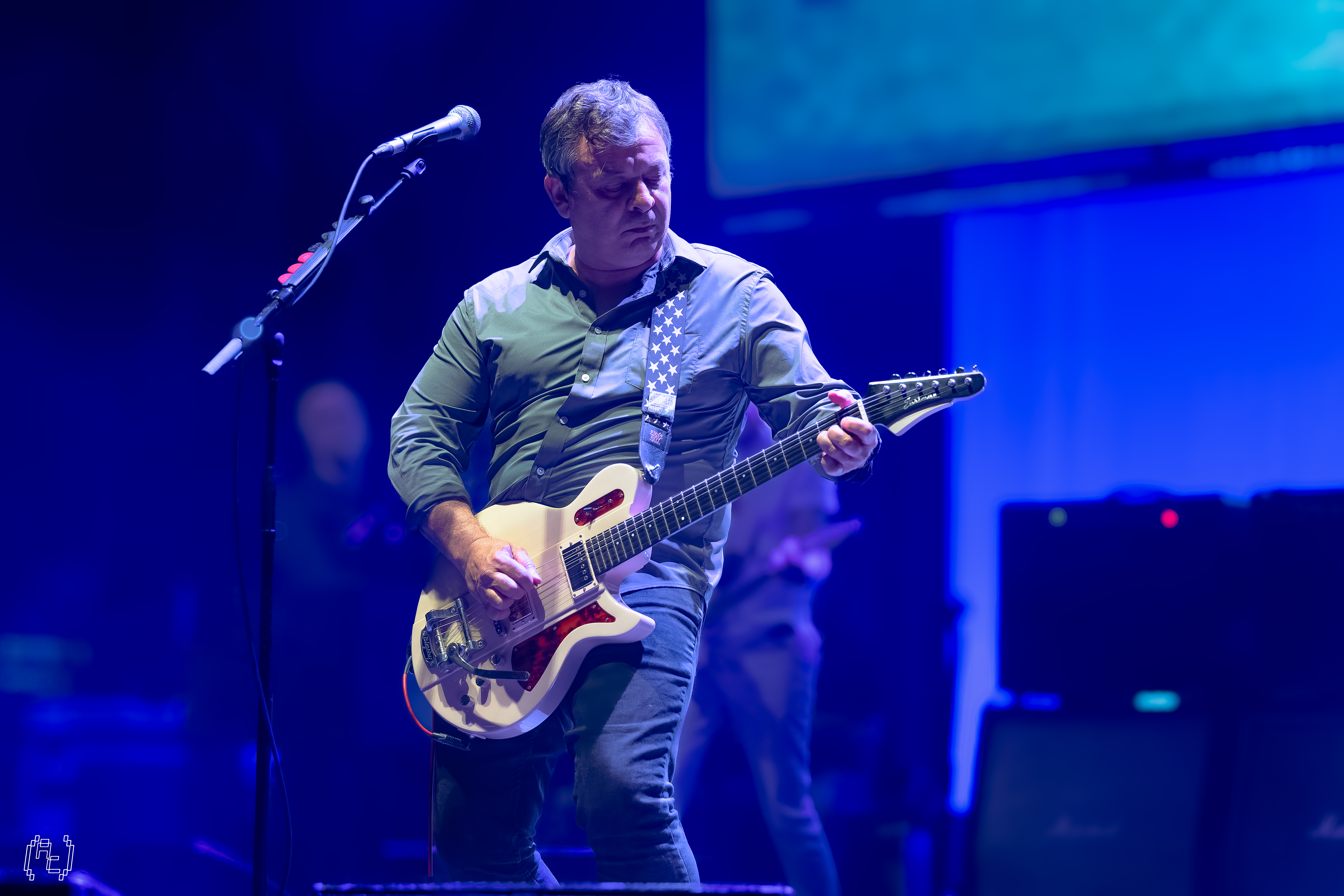
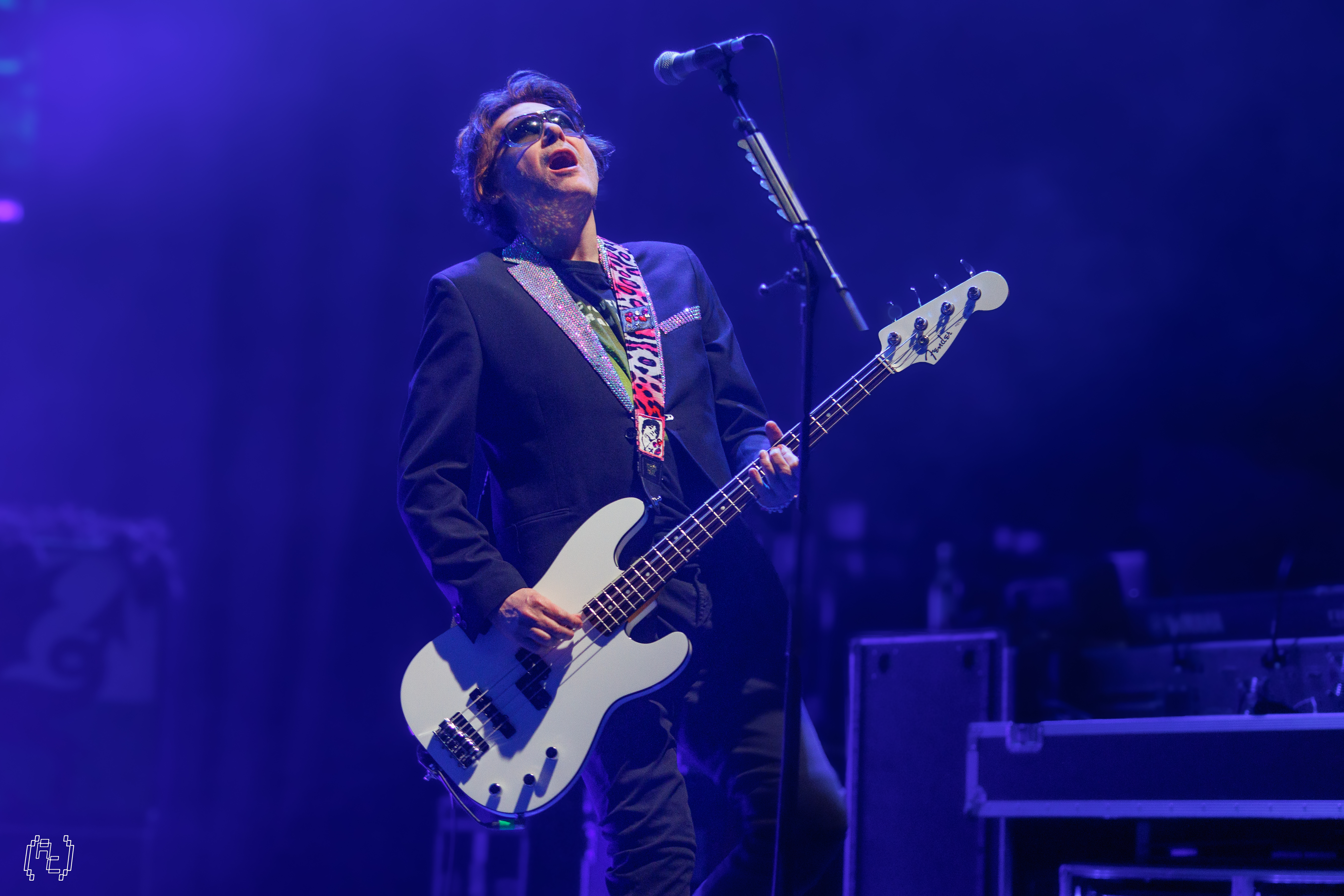
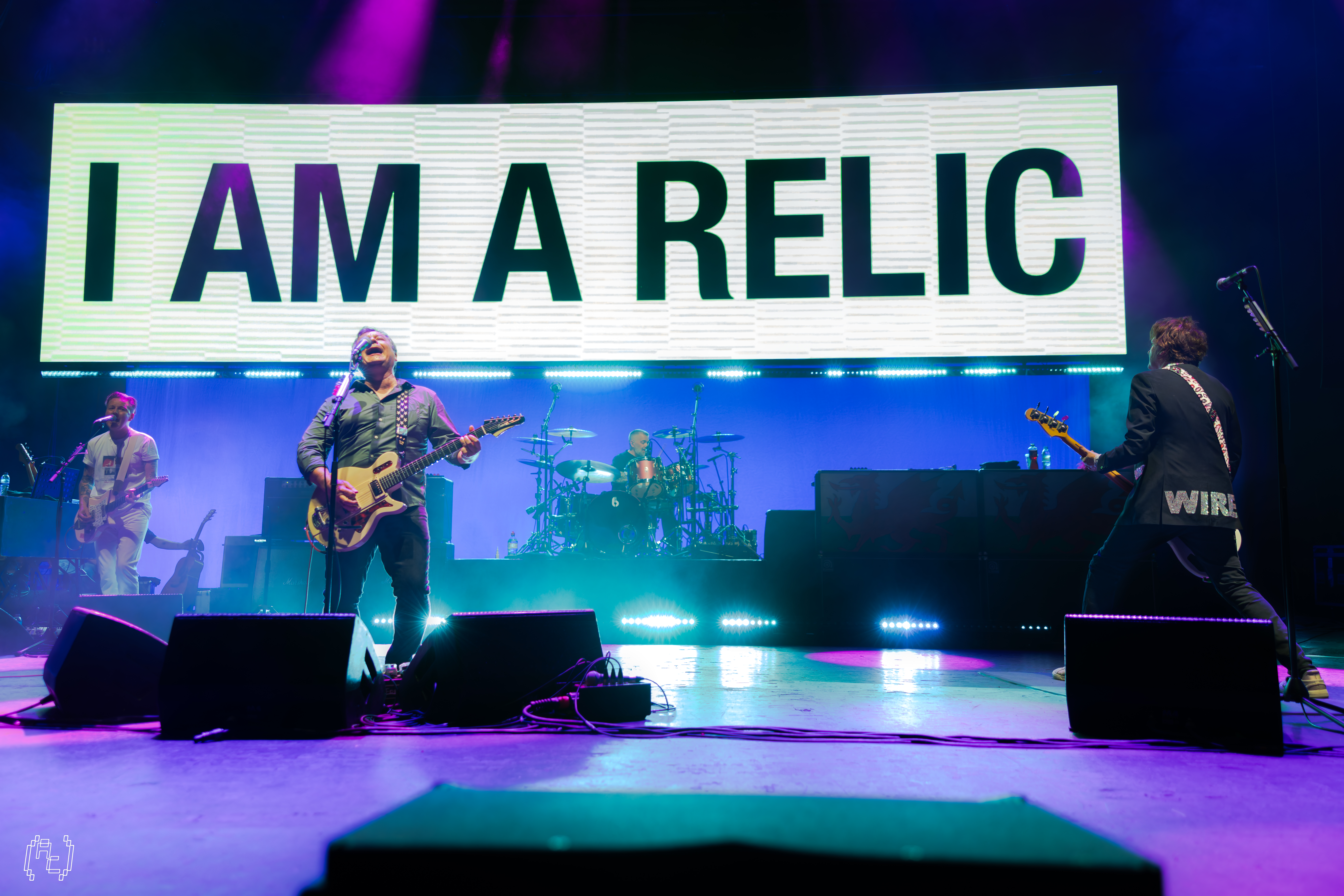
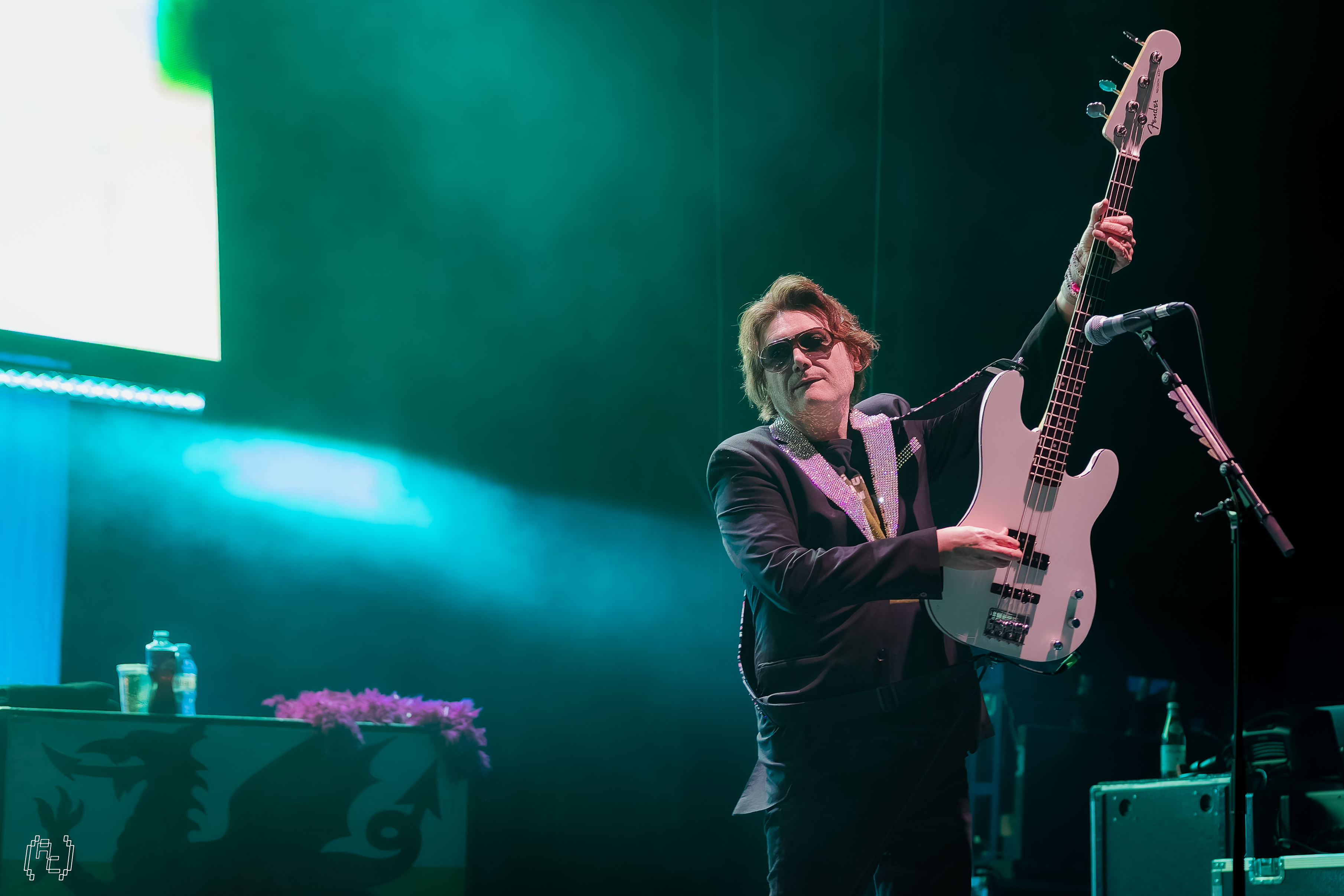

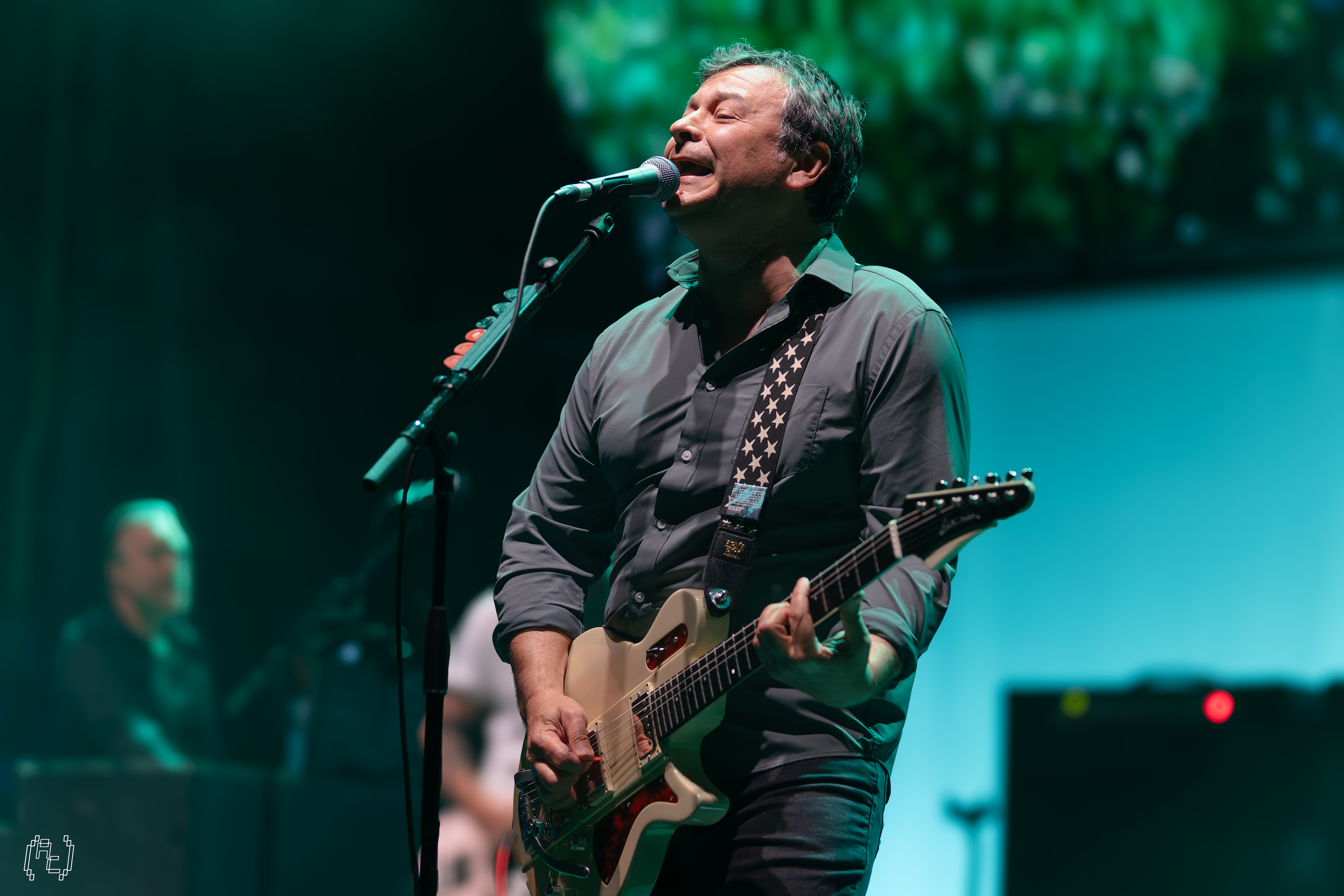
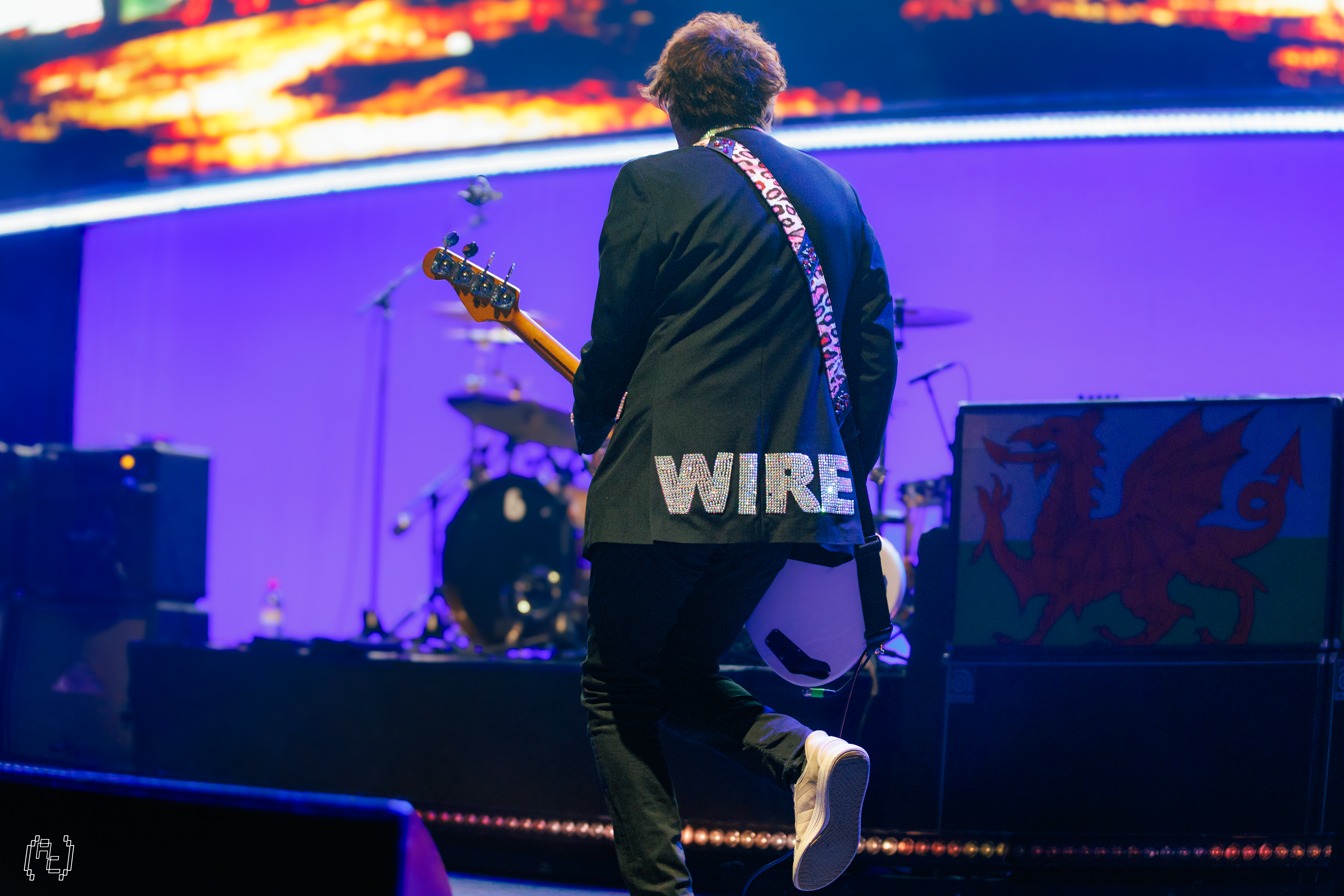
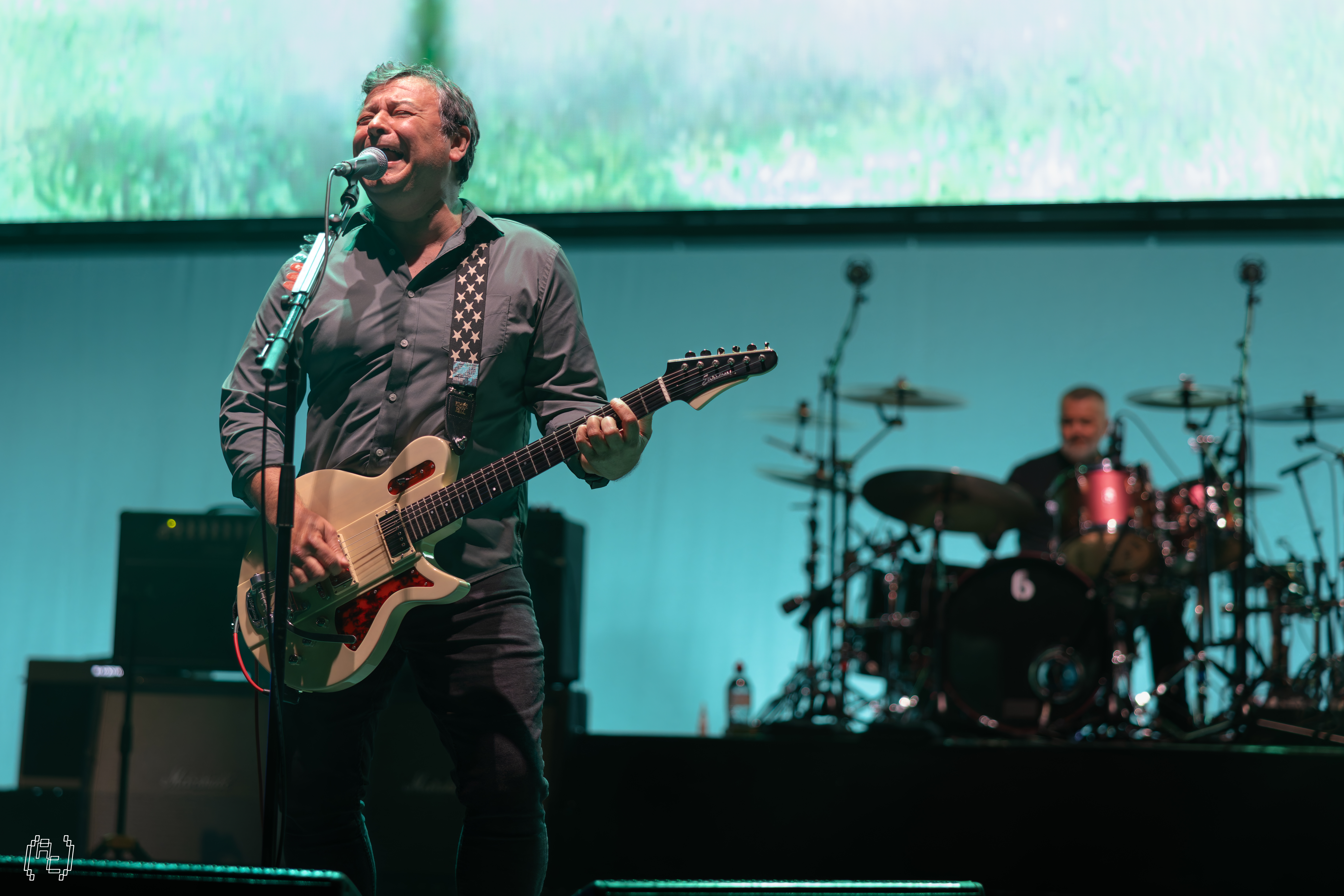
“Motorcycle Emptiness” sneaks in next and gets the reaction you’d expect. The whole room lights up, singing every word like it’s gospel. Bradfield leans into the solo, Wire’s pacing, and for a moment the whole place floats.
“Let Robeson Sing” brings things back down to earth with its call for justice. Then comes “Critical Thinking” – the proper version, not the remix that played as they walked on. It’s jagged, it’s loud, and it’s new but feels like it belongs. The set’s not a greatest hits run, it’s a journey and the band haven’t let age slow them down one bit. If anything, they’ve grown into it. Each era is represented, not as a greatest hits exercise, but as a throughline. Evidence of a band who’ve bled, adapted, endured, and refused to fossilise. Unlike most of us in the crowd, they’ve aged outrageously well.
Things shift gear again with “Autumnsong,” all sweeping emotion, and then “A Design for Life.” No intro needed — just that opening line, barked back by a few thousand voices. If one track sums up what the Manics are about, it’s probably this one. Big, bold, political, and still stuck in your head weeks later.
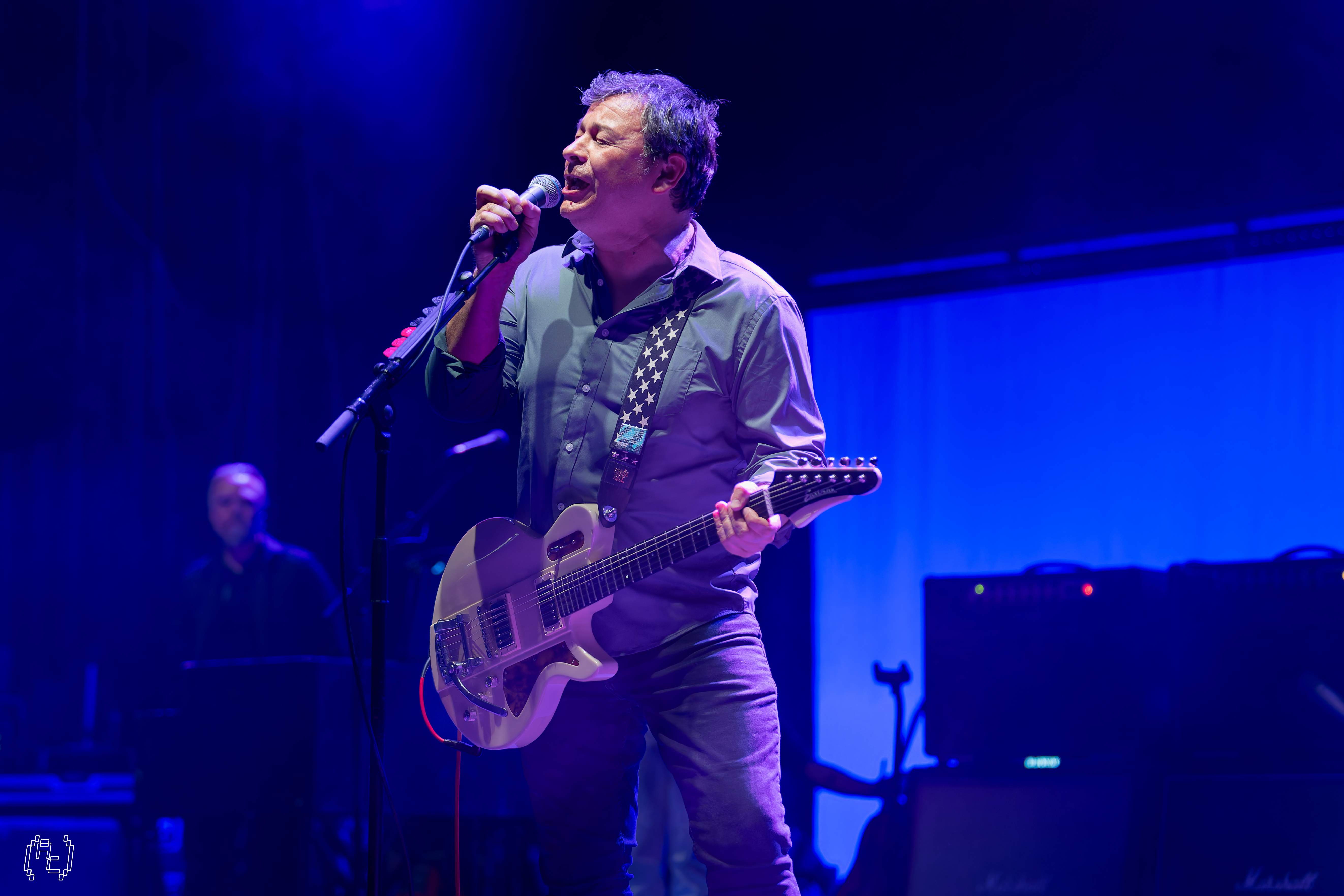
Then comes the curveball. “P.C.P.” solo and acoustic, for the first time ever, as James tells us. A song that used to be chaos now stripped back to something much more personal. Only a band this far in could pull it off, and only their crowd would get it.
The acoustic bit rolls on with “Small Black Flowers That Grow in the Sky,” all soft menace, and “The Everlasting,” which starts with just James before the rest of the band creep in. “Dear Stephen” is gentle and sad, and “Sleepflower” goes the other way — huge, noisy, full tilt.
The final stretch is a barrage. “Your Love Alone Is Not Enough,” all sugar and acid. “International Blue,” shimmering with romantic nostalgia. “People Ruin Paintings,” full of postmodern ache. And then, with almost no breath, the room is thrown into the gutter-glam snarl of “Motown Junk,” a song that still punches harder than bands half their age. Here, at the tail end of the night, the fire still crackles. The energy that once exploded across chaotic club shows in the early ’90s is still there. Finally, they end with “If You Tolerate This Your Children Will Be Next,” still one of the most quietly subversive Number Ones in British history. It remains defiant, mournful, utterly committed.
No encore. No need. They’ve said what they came to say, and more.

 Go Places Do Things