
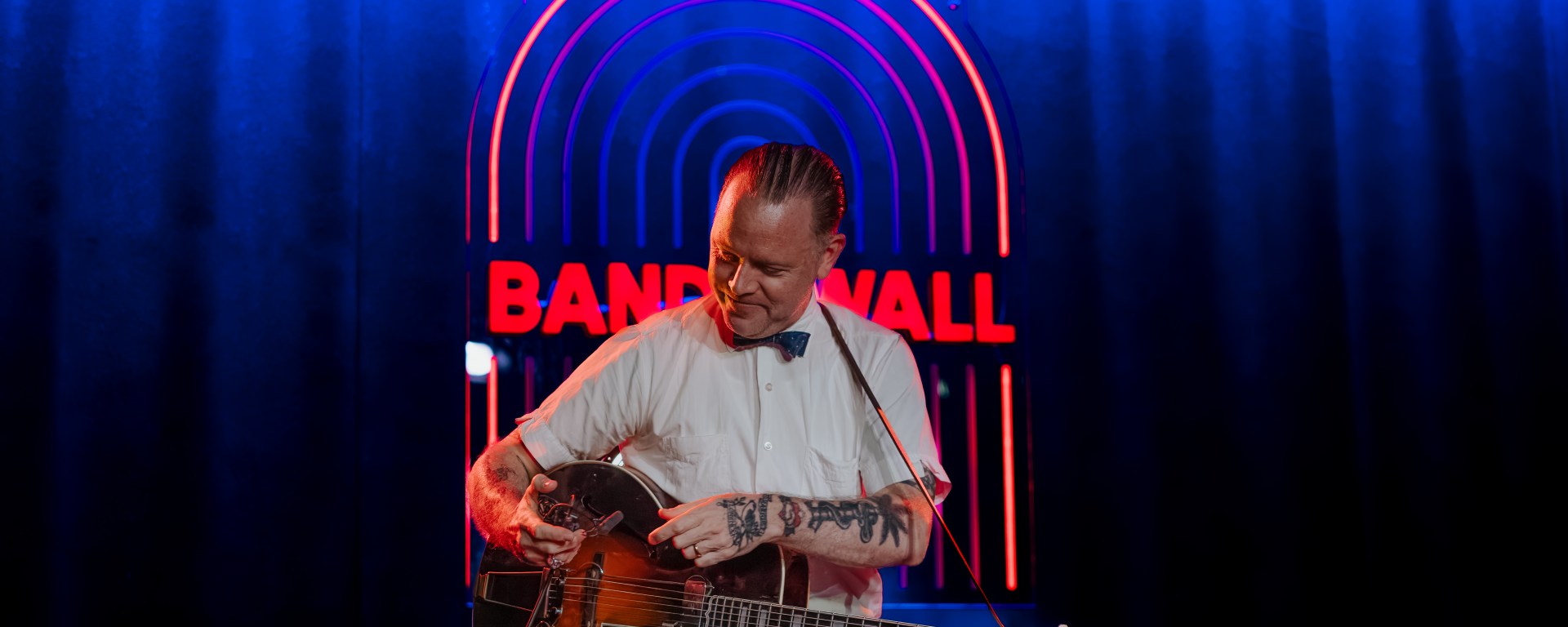
Jack White once said he would gladly swap voices with C.W. Stoneking if such a thing were possible, likening it to something drifting in from a ghost ship. Josh Homme has long counted himself among Stoneking’s admirers too, which sounds faintly absurd until you actually see him in the flesh. Some artists feel retro. Stoneking feels genuinely misplaced in time, as though he has wandered into the modern world by accident and simply decided to keep playing.
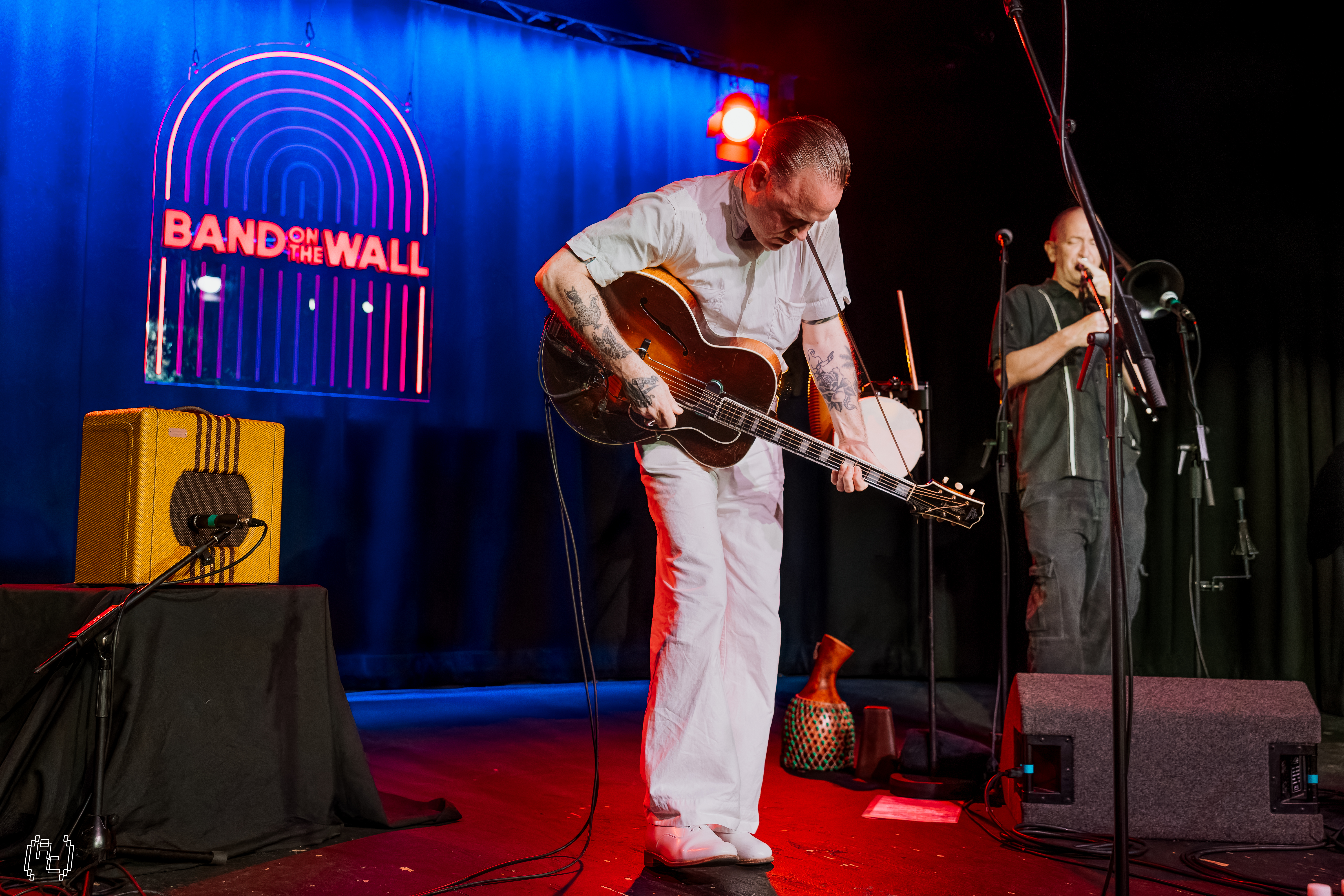
For one evening at least, Band on the Wall stopped feeling like central Manchester and instead became something far stranger. Not nostalgia exactly, more like stumbling through the wrong door and finding yourself in a dimly lit bar somewhere in Albuquerque circa 1904, where Stoneking might be behind the counter polishing glasses before reluctantly pulling out a guitar after closing time. There was something almost David Lynch-like about the whole thing, surreal in the way it placed such an out-of-time figure inside a very modern venue, surrounded by contactless bars, smartphones and QR codes.
Even the merch desk somehow added to the atmosphere. Cash only, naturally. In any other setting it might have felt mildly inconvenient, here it simply deepened the sense that the outside world had briefly ceased to exist.
The crowd reflected that strange timelessness too. Young and old alike packed into Band on the Wall, devotees spanning generations who all seemed equally willing to disappear into Stoneking’s peculiar orbit for the evening. There are artists whose audiences feel neatly boxed into one demographic or another. This felt more like a gathering of curious travellers who had somehow all ended up in the same place.
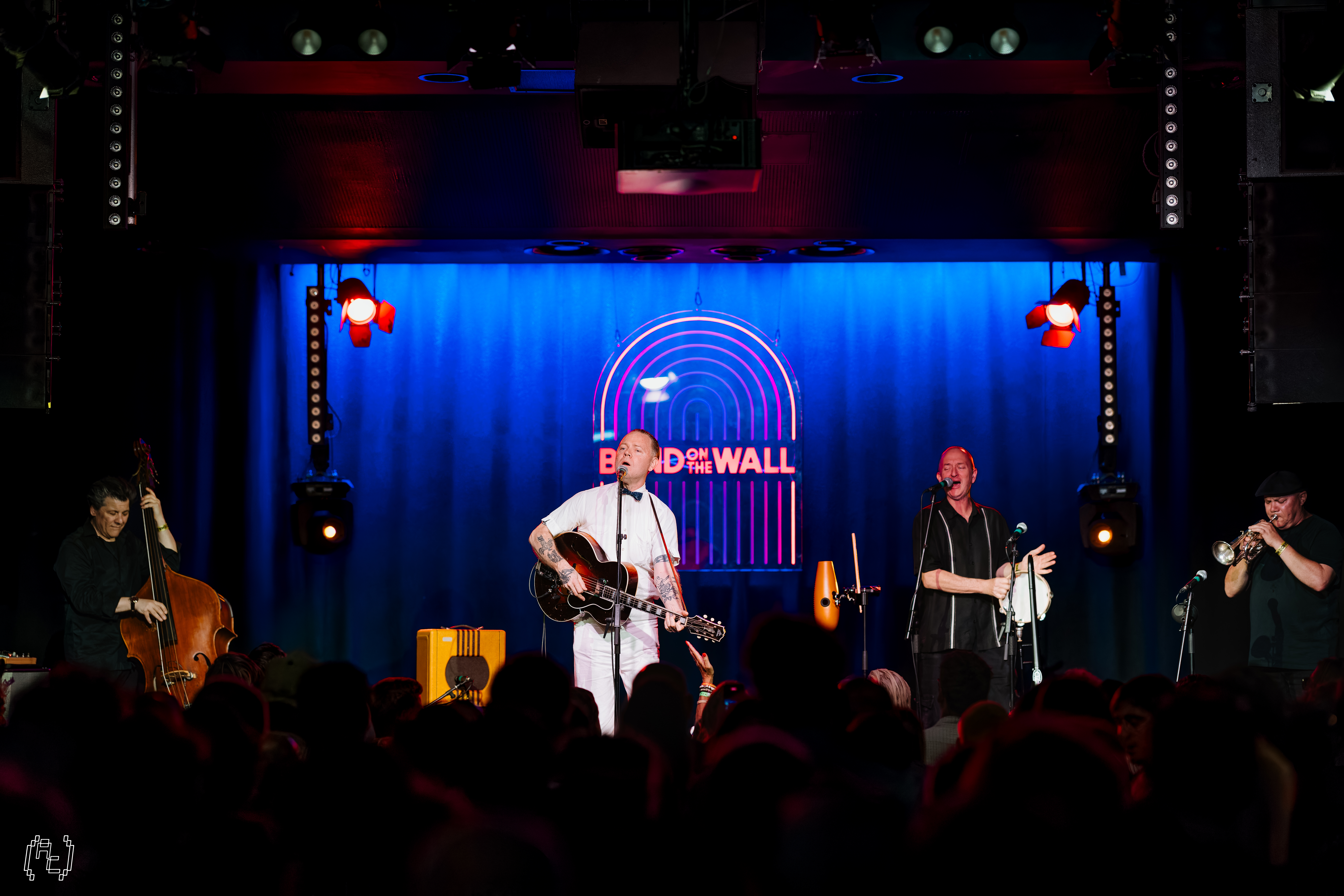
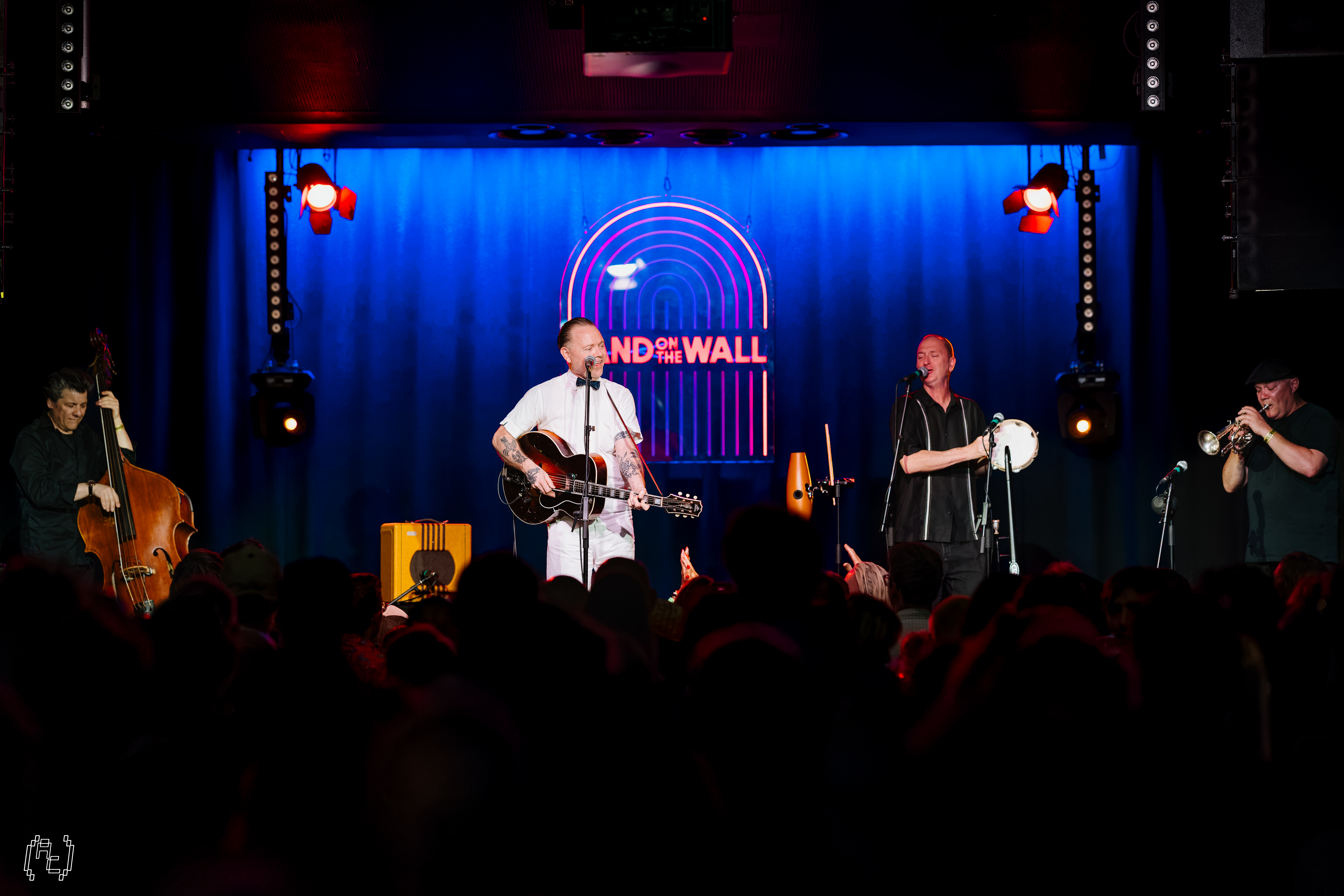
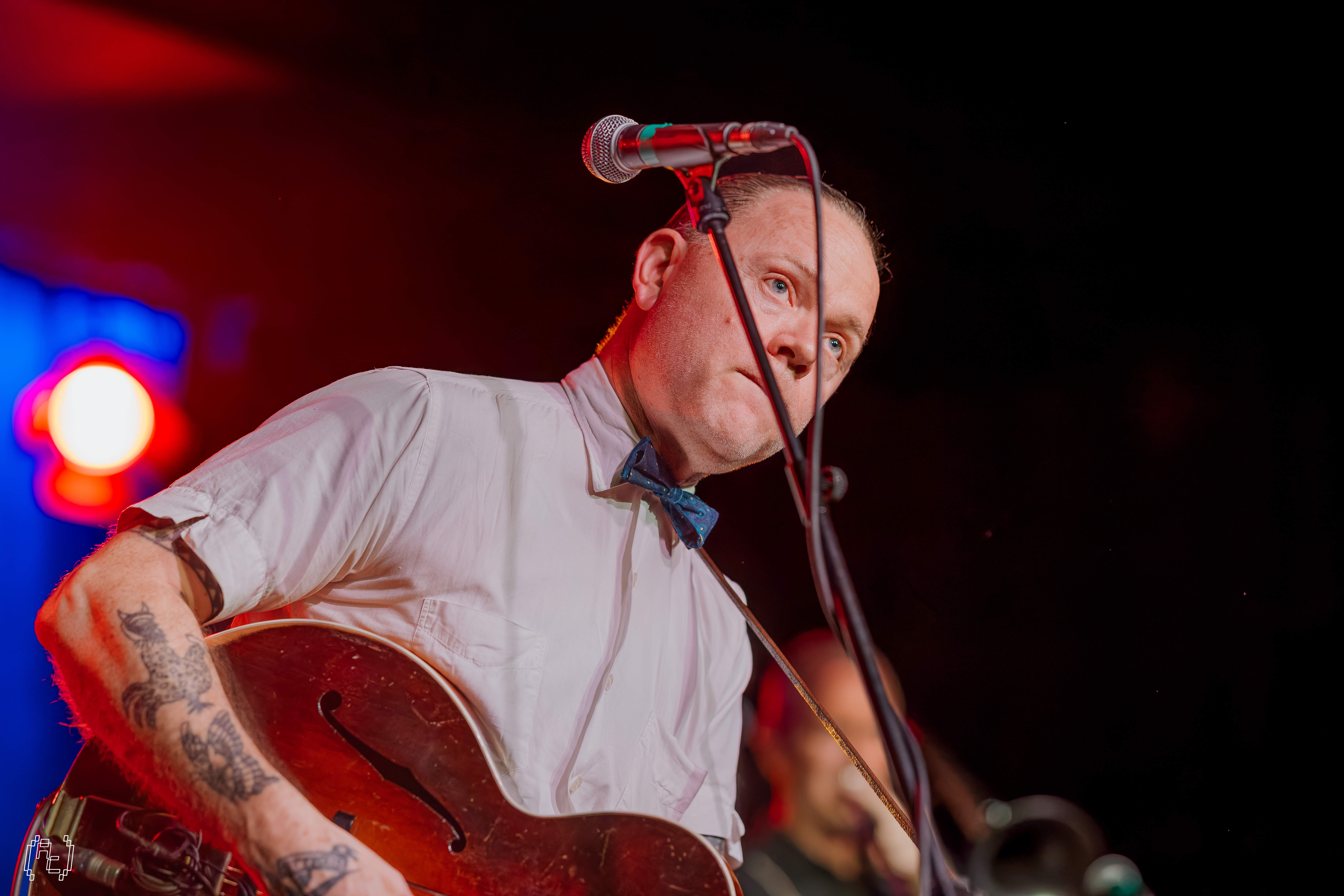
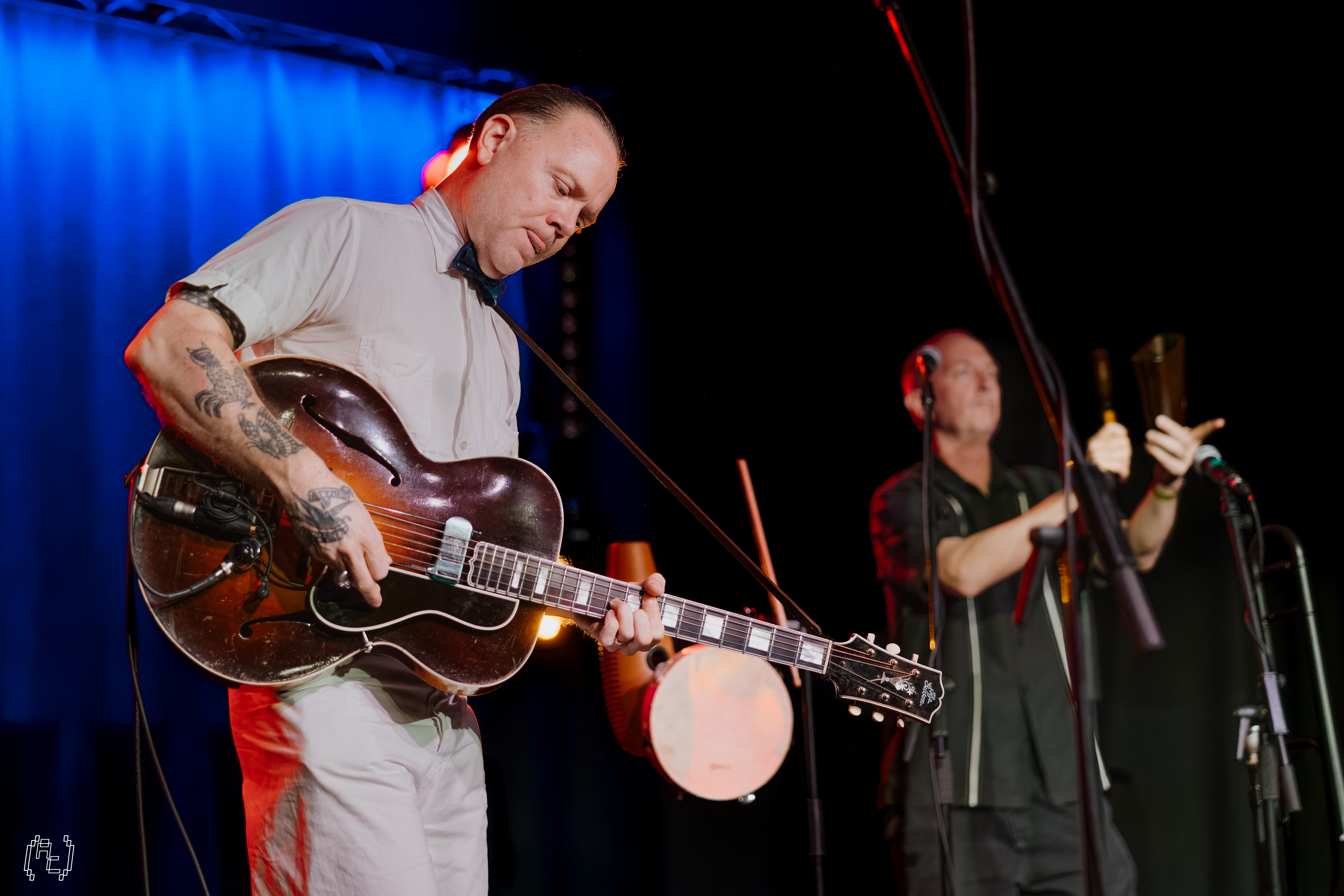
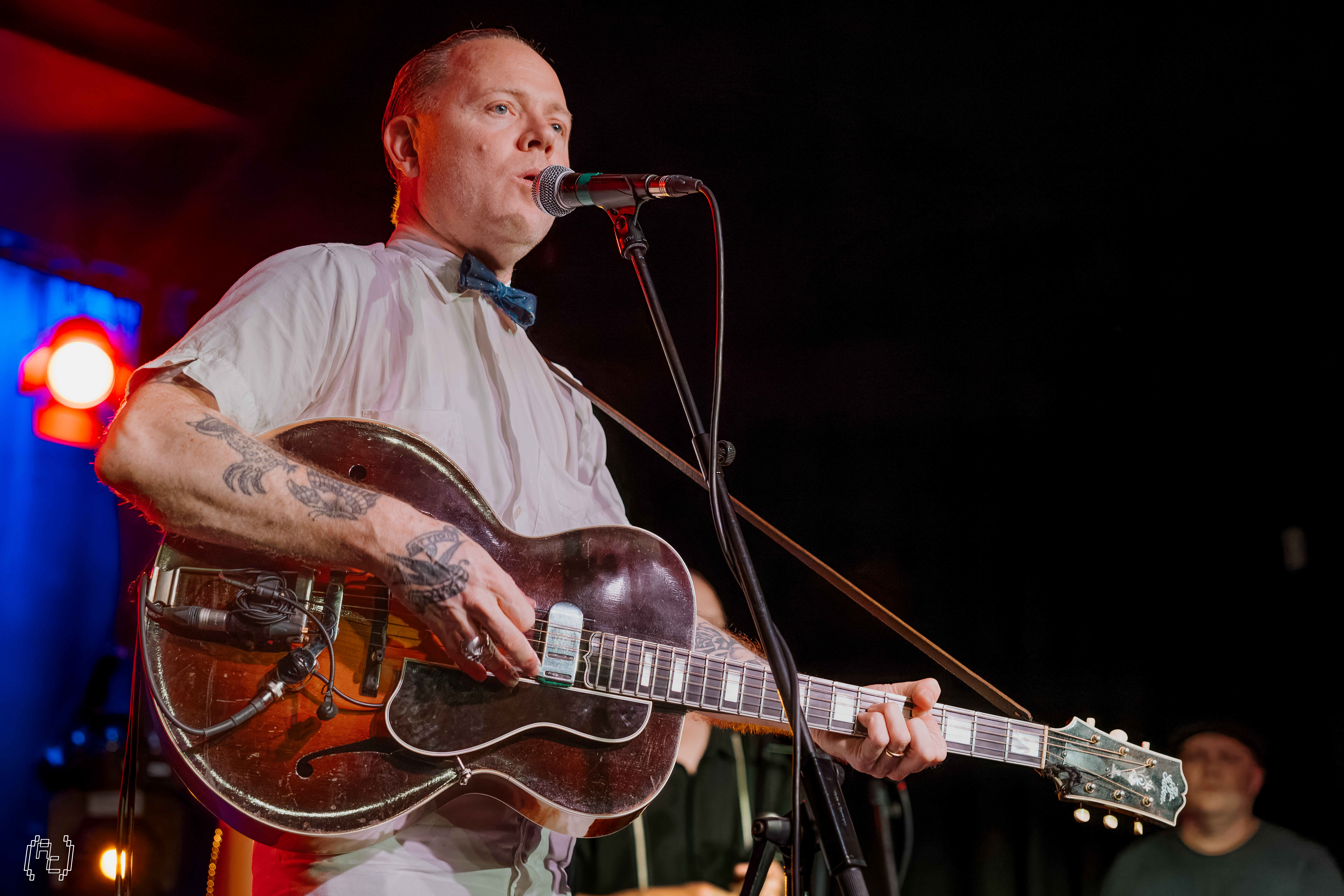
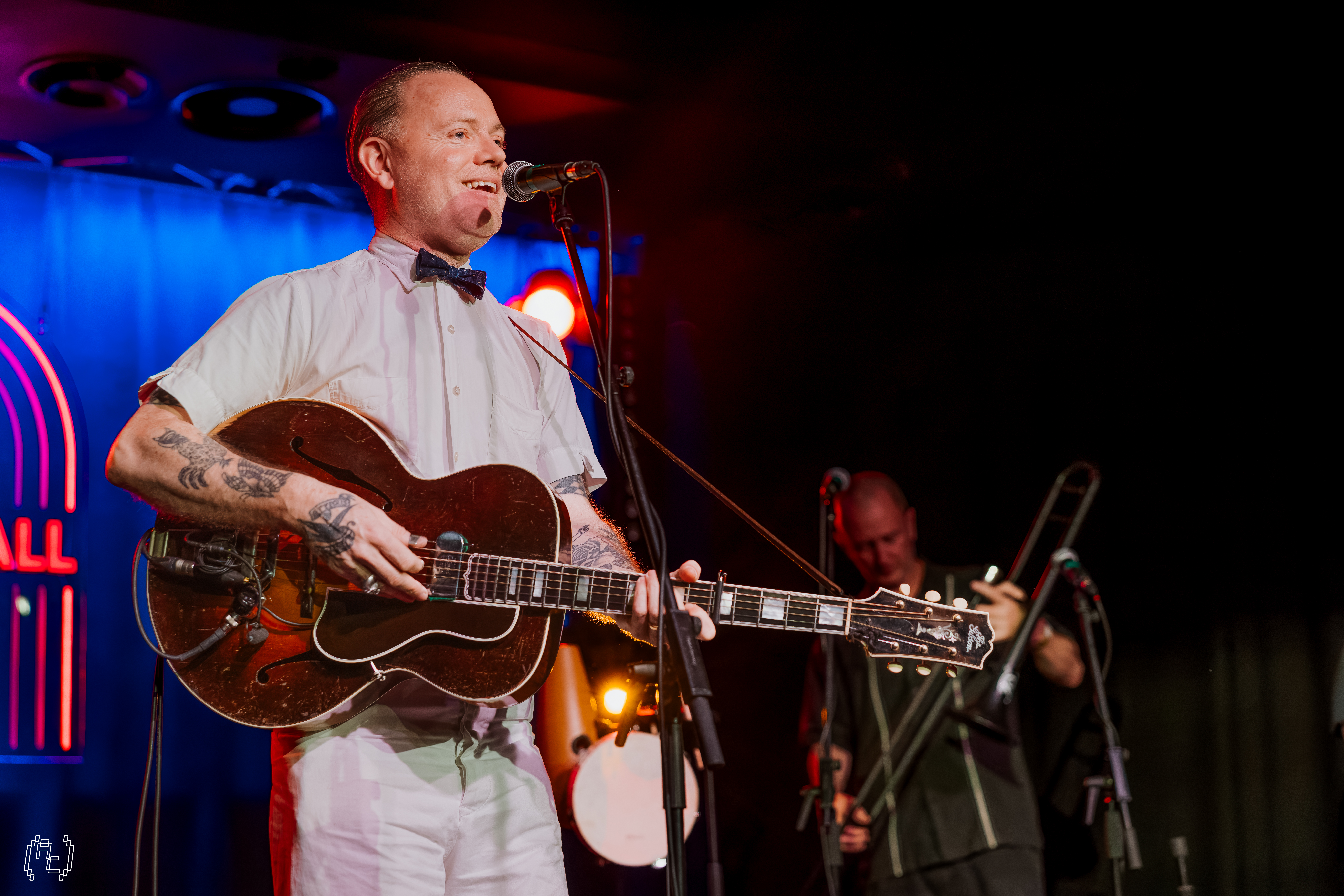
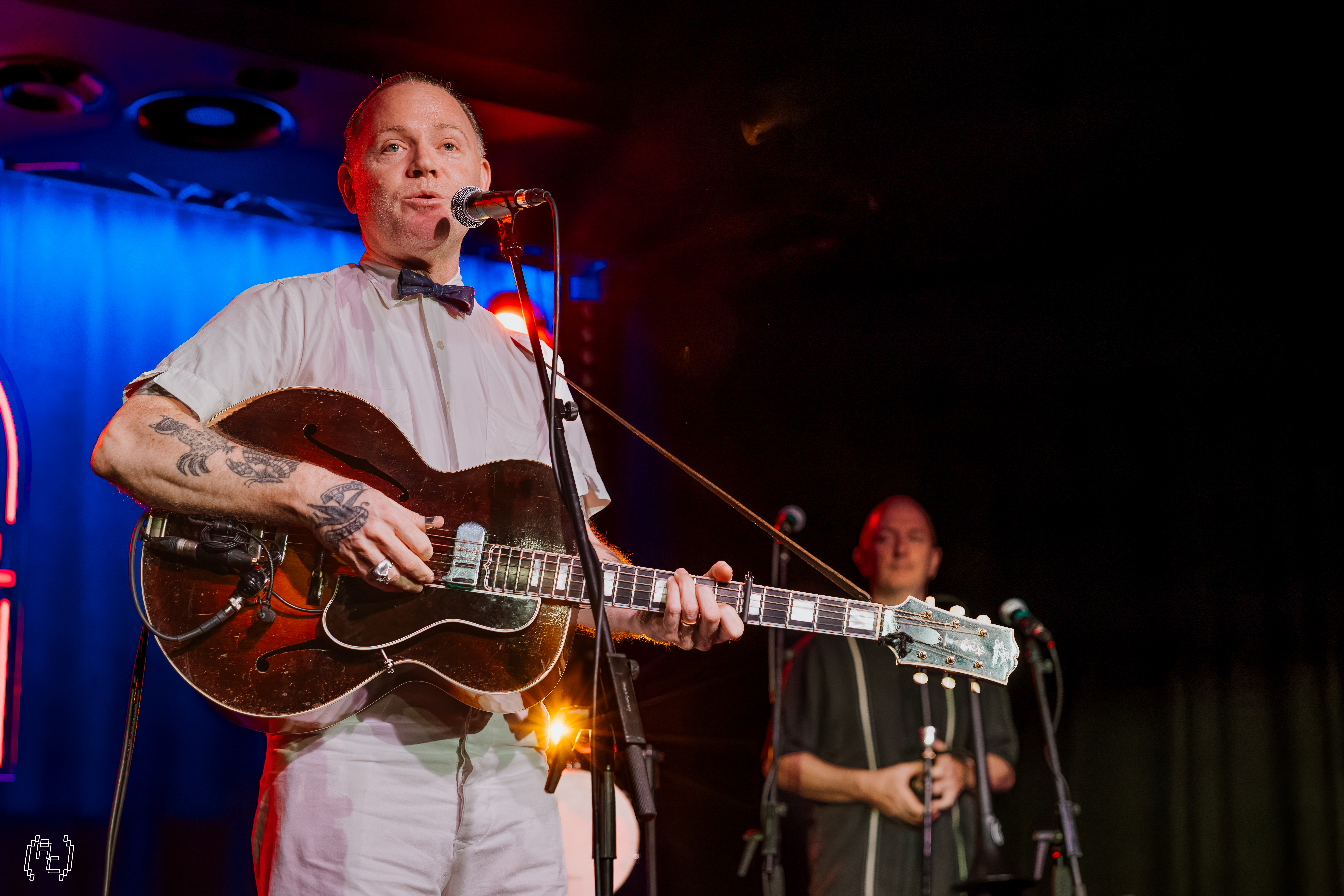
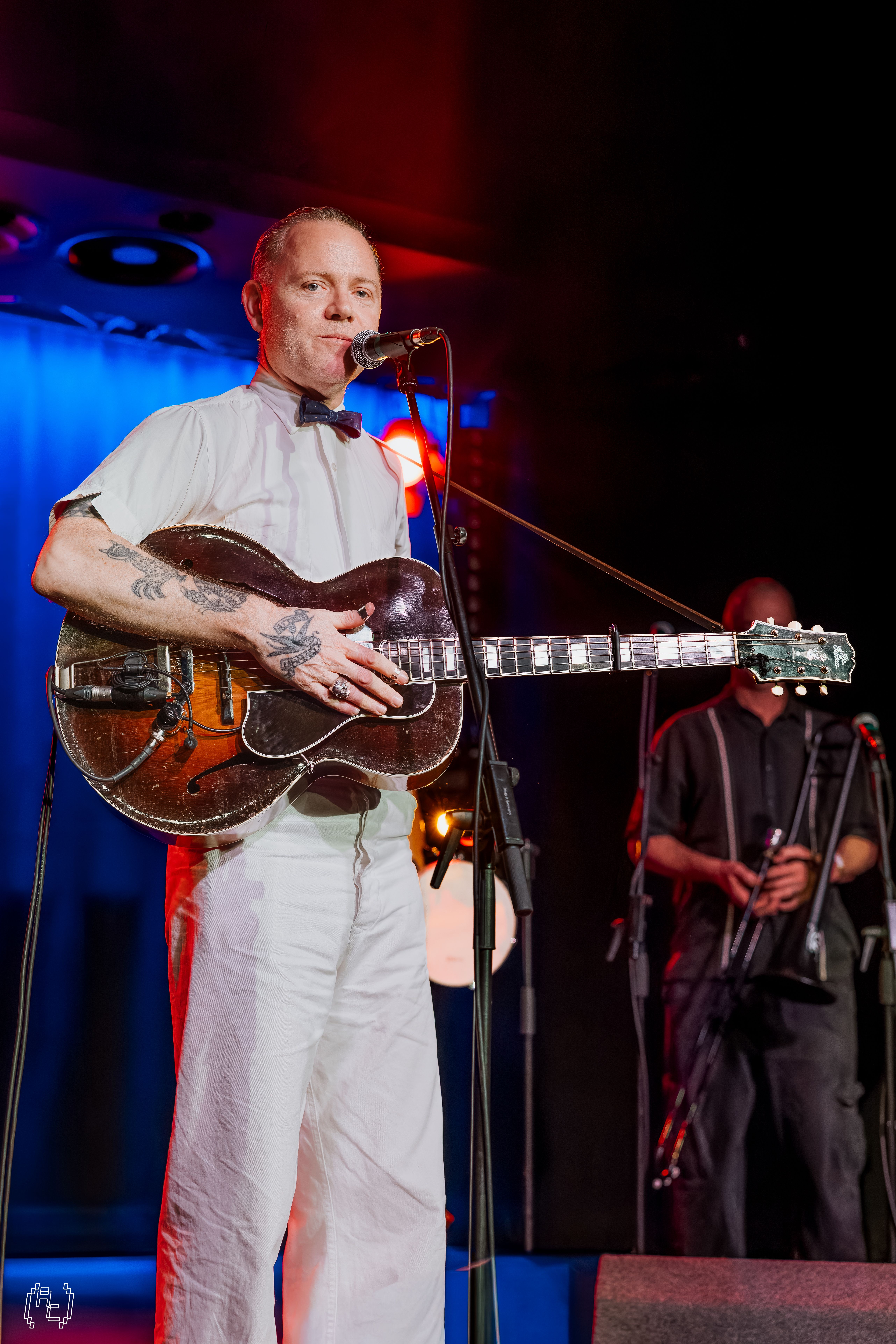
Opening with Goin’ the Country, Stoneking and his band wasted little time settling into the peculiar rhythm of the night. There are artists who revive old sounds, and then there is Stoneking, a musician who seems to have wandered out of another century entirely, dusty boots first. He does not merely imitate blues, calypso and ragged Americana from the 1920s and 30s, he reshapes them into something living and oddly timeless.
The set drew from across all three of his records, though unsurprisingly some of the evening’s biggest reactions arrived for material from Gon’ Boogaloo, despite that album itself now being more than a decade old. We Gon’ Boogaloo in particular landed with loose-limbed joy later in the evening, the room fully giving itself over to the rhythm, while older cuts like Handyman Blues and the opening Goin’ the Country felt almost mythic in this setting, like songs uncovered from some forgotten travelling medicine show.
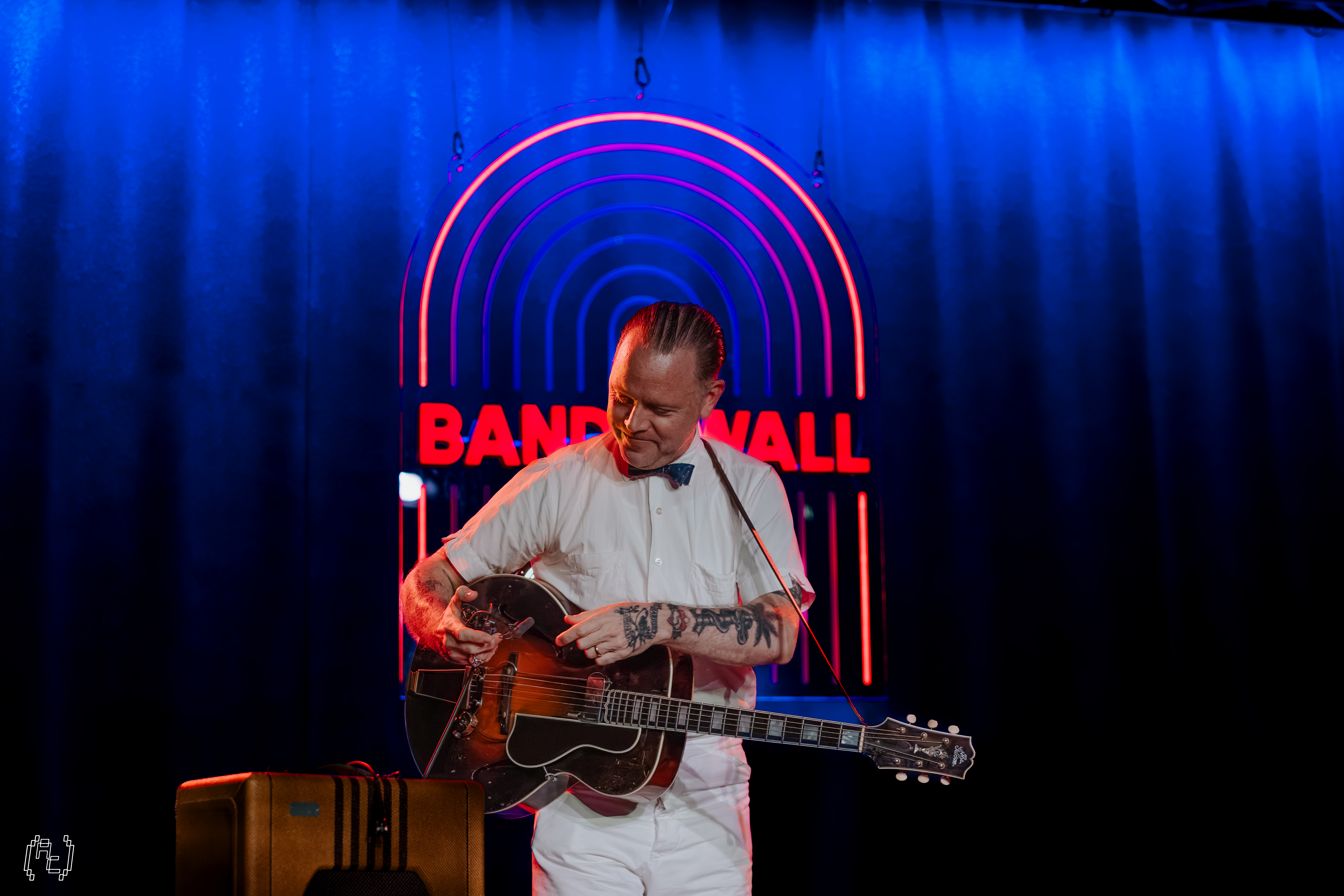
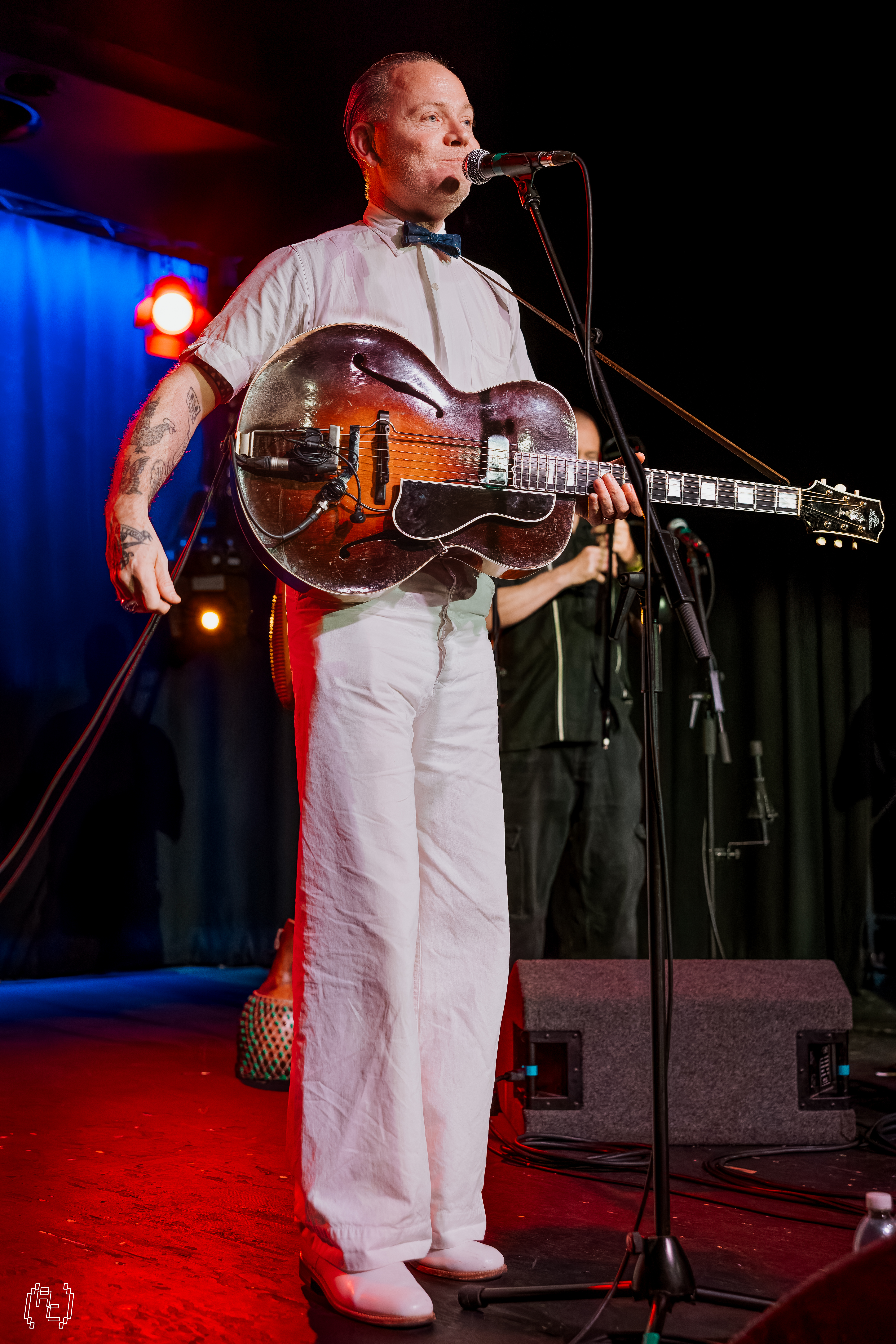
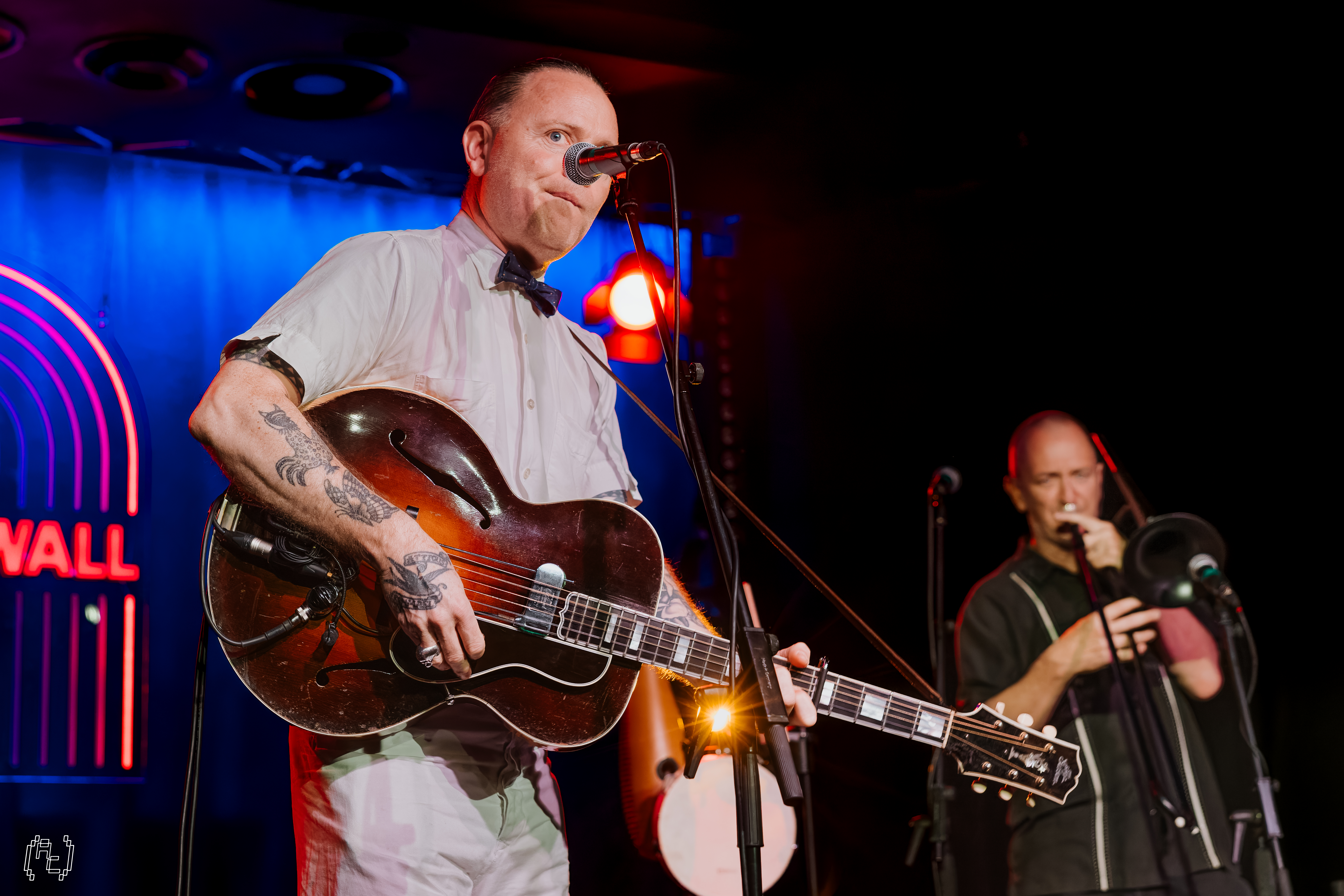
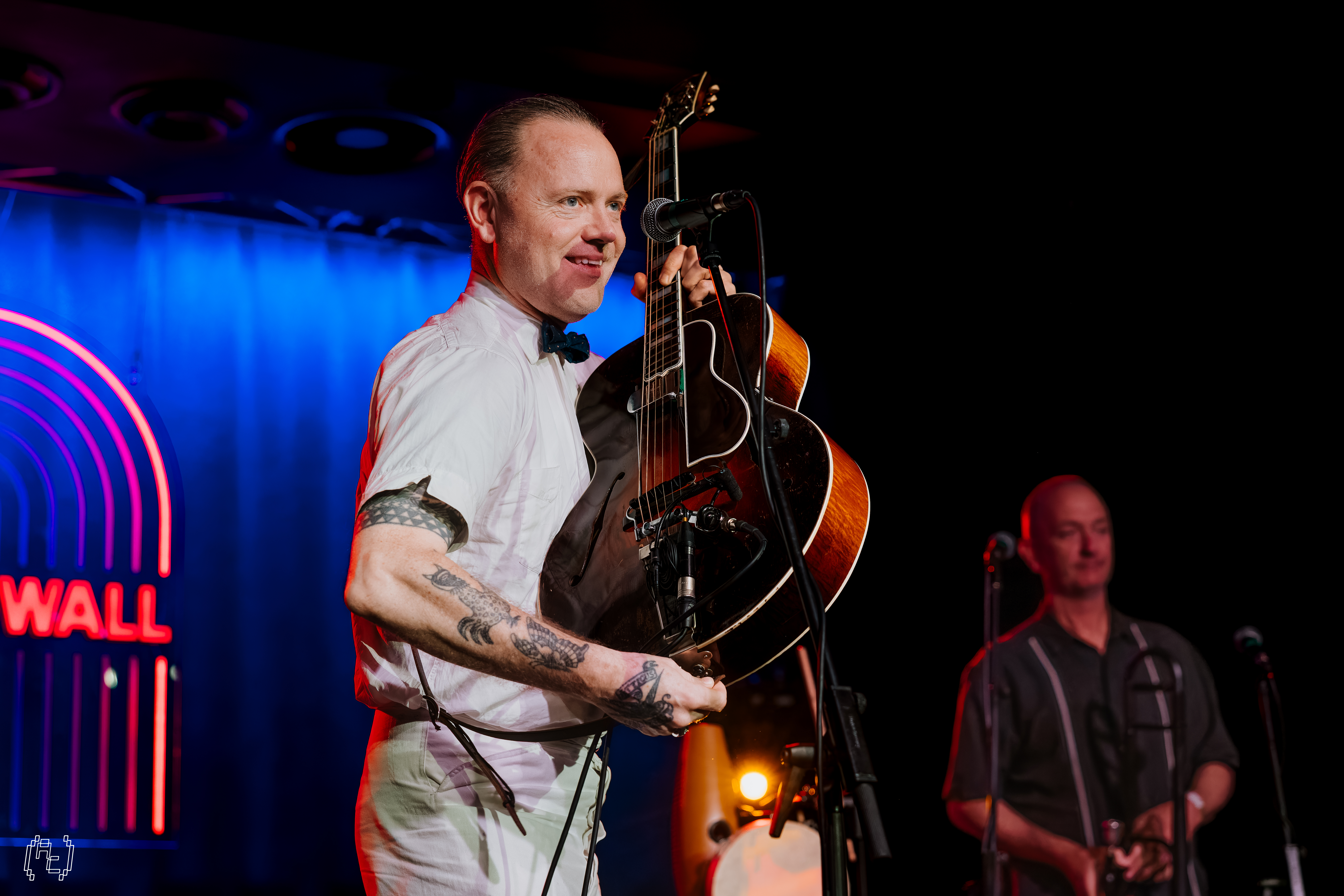
Early hiccups only added to the atmosphere. A snapped guitar string threatened to briefly derail proceedings, though Stoneking instead turned the interruption into another chapter in the evening’s mythology, making a theatrical little song and dance of fixing it while the audience lapped up every second. Good vibes, good humour and a room entirely willing to drift wherever the evening decided to go.
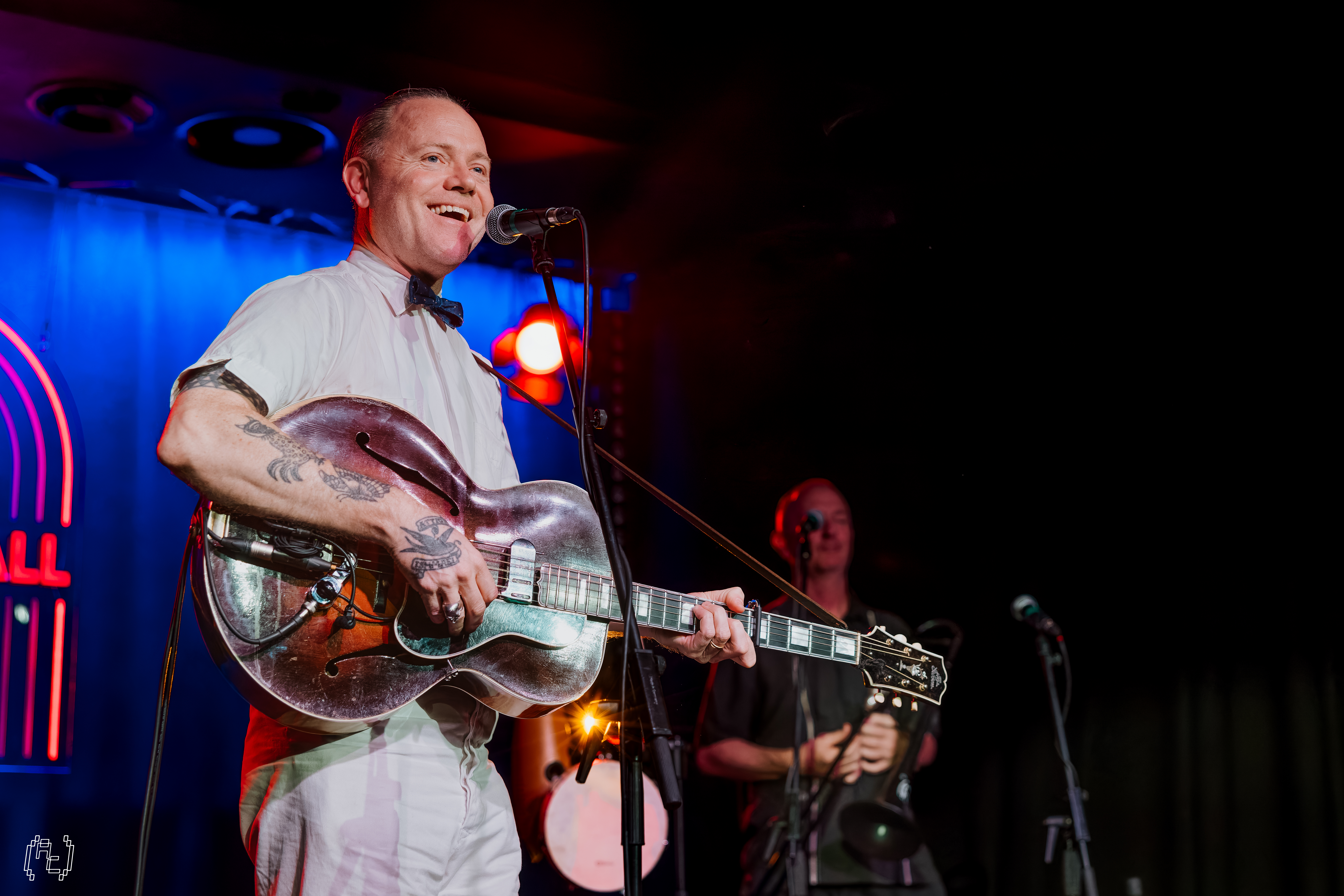
That warmth became immediately apparent during The Zombie, a track that served as many people’s gateway into Stoneking’s strange musical universe, ours included. On record, the song carries a restless energy, balancing menace with dark humour, but live it arrived as one of the evening’s clear high points. Judging by the crowd reaction, it also felt among the most beloved songs of the night, greeted with one of the biggest singalongs inside Band on the Wall. For an artist who still feels relatively obscure on these shores, there was something quietly lovely in seeing a Manchester crowd know every word, fully immersed in Stoneking’s peculiar world.
The storytelling too carried a wonderfully gonzo quality. Stoneking spun yarns with the sort of crooked grin that left the room constantly wondering what was rooted in truth and what had quietly gathered embellishment somewhere down the line. One particularly memorable tangent involved the backstory to a song supposedly inspired by an ice cream advert jingle that never quite came to fruition, and, if Stoneking’s telling was to be believed, one he never even got paid for.
Recurring references to Groundskeeper Willie became something of a running joke across the night, though hearing Stoneking compare himself to a Simpsons character felt oddly jarring, almost too modern a reference for a man who otherwise looked less like a cartoon Scotsman and more like Mr Zip, the manic mailman himself. It briefly snapped the room back into the present before the music quickly dragged everyone sideways through time again.
Musically, the set moved effortlessly between dusty blues and playful theatricality. The Love Me or Die arrived dripping in smoky drama and cinematic tension, while The Thing I Done proved to be one of the evening’s standout moments. There has always been something deeply haunted about the song, a slow ache sitting beneath its ragged blues exterior, and live, Stoneking leaned fully into its emotional weight. It felt bruised, intimate and quietly devastating, the kind of performance that momentarily stills a room.
Elsewhere, Jungle Blues and On a Desert Isle reinforced Stoneking’s uncanny ability to summon entire worlds through sound alone, full of imagined landscapes, strange characters and stories that feel discovered rather than written. There is a strong argument that this is exactly how this kind of music is meant to be experienced, not through pristine recordings or compressed streams, but in a warm, slightly stuffy room where songs breathe and shift in real time.
Perhaps the emotional peak arrived via Stoneking’s cover of Tom Waits’ All the World Is Green, another highlight of the night. Waits’ original carries a bruised tenderness and quiet melancholy, and Stoneking somehow made it feel even more ghostly, his weathered voice giving fresh weight to lyrics already heavy with longing and loss. It was one of those rare cover versions that felt less like imitation and more like a conversation between kindred musical spirits.
By the time We Gon’ Boogaloo rattled through the room, strangers were swaying together in the sort of communal joy live music occasionally still manages to deliver. Then came Jungle Lullaby as the closer, a quietly beautiful way to draw the curtain. Rather than ending on spectacle, Stoneking opted for something dreamlike and gently reflective, leaving the room hanging momentarily inside the strange world he had spent the evening building.
What makes Stoneking fascinating in 2026 is that he remains gloriously difficult to pin down. In an age of hyper-curated branding and algorithmic neatness, he feels almost defiantly human, slightly ragged around the edges, unconcerned with trends and fully committed to his own peculiar frequency. Band on the Wall did not simply host a gig tonight, it briefly became a portal to another place and another century entirely. C.W. Stoneking remains one of live music’s most singular and transportive performers.









 Go Places Do Things