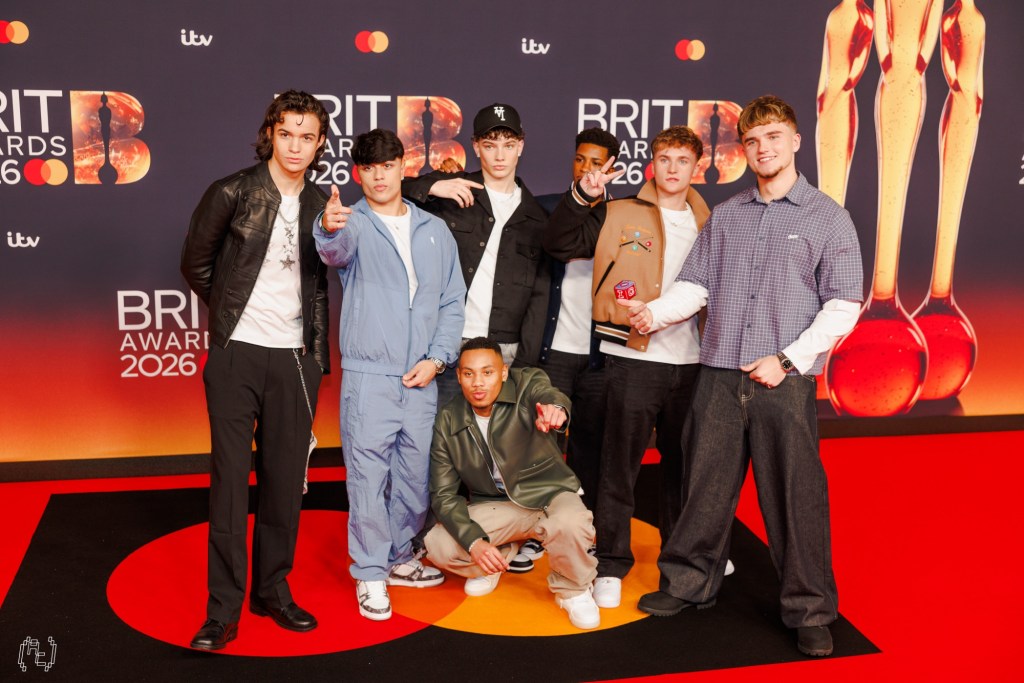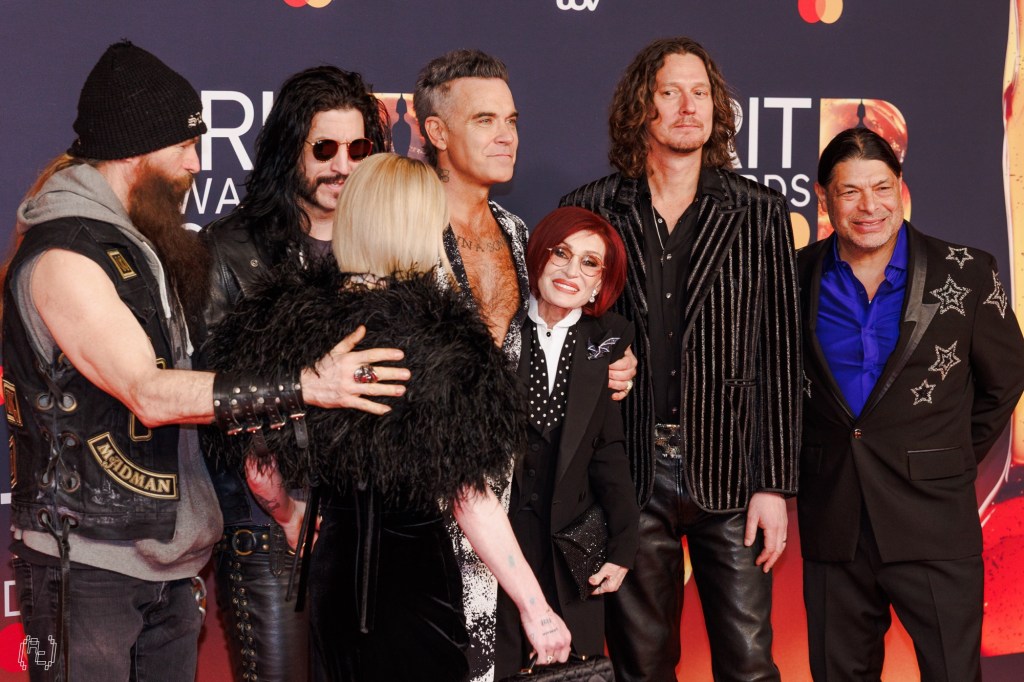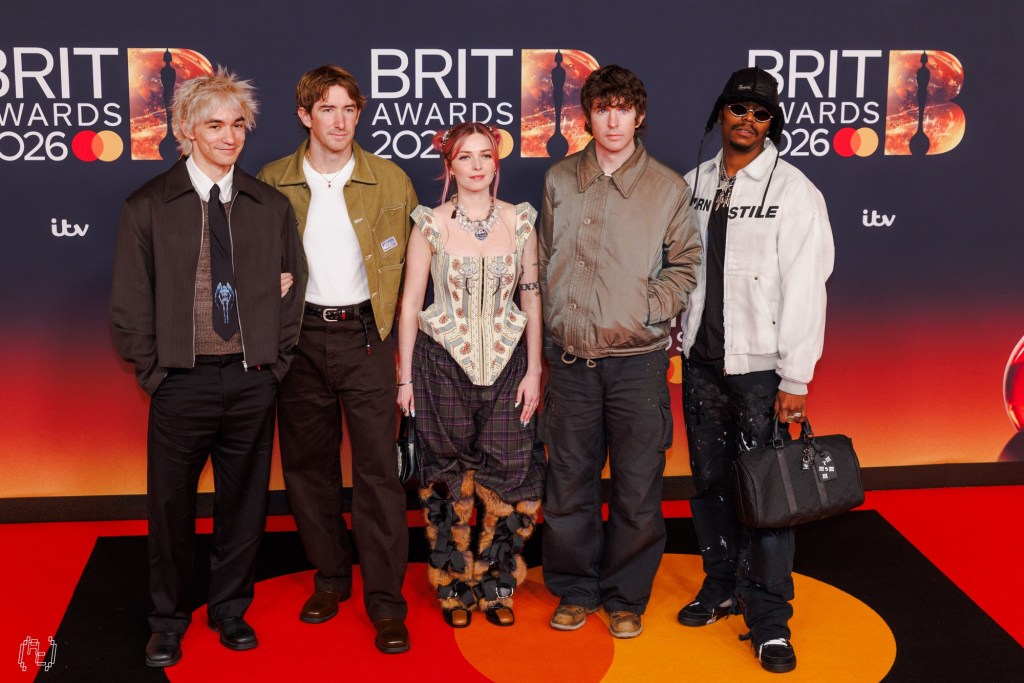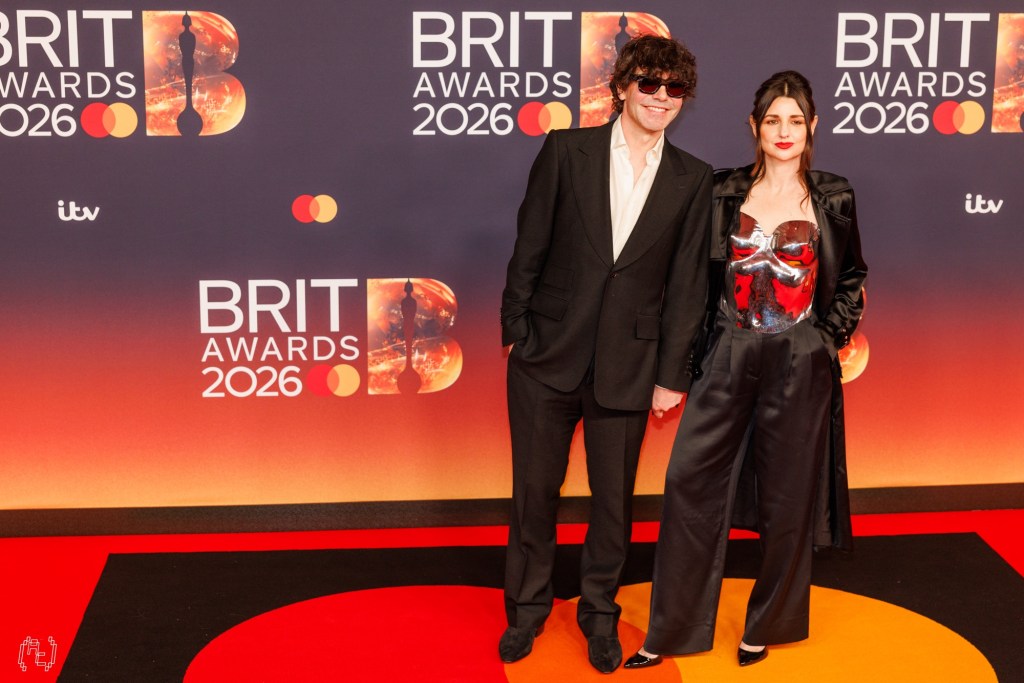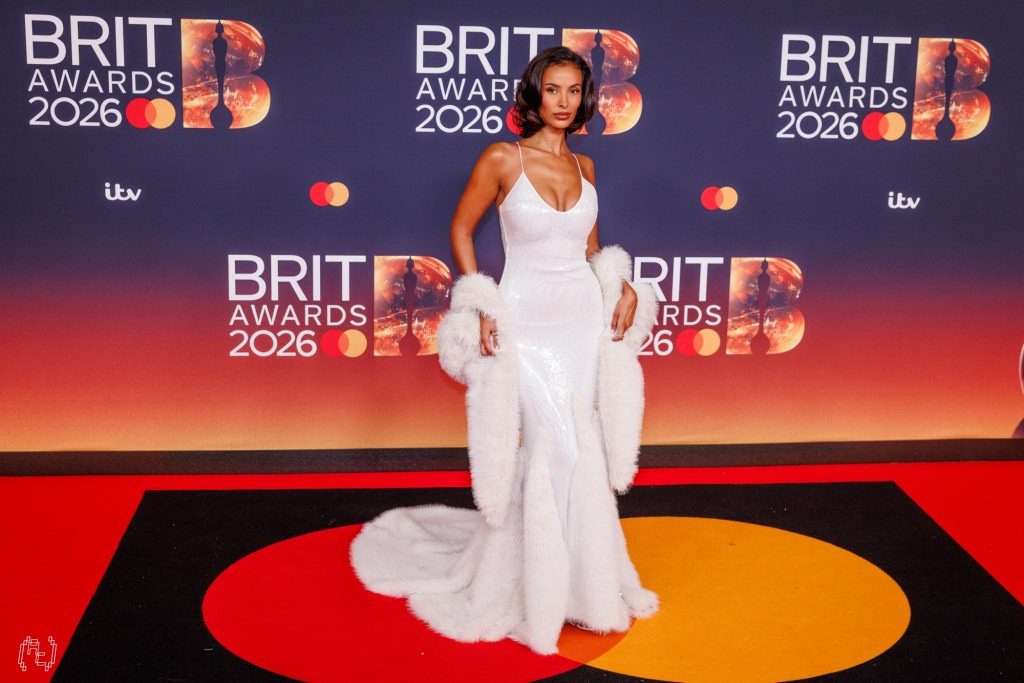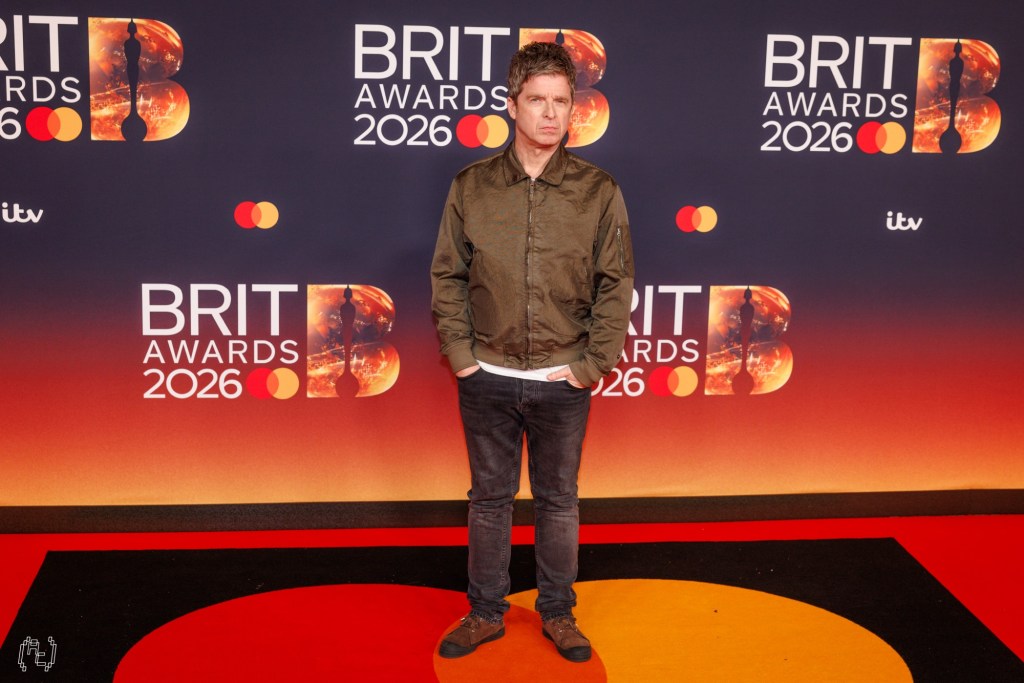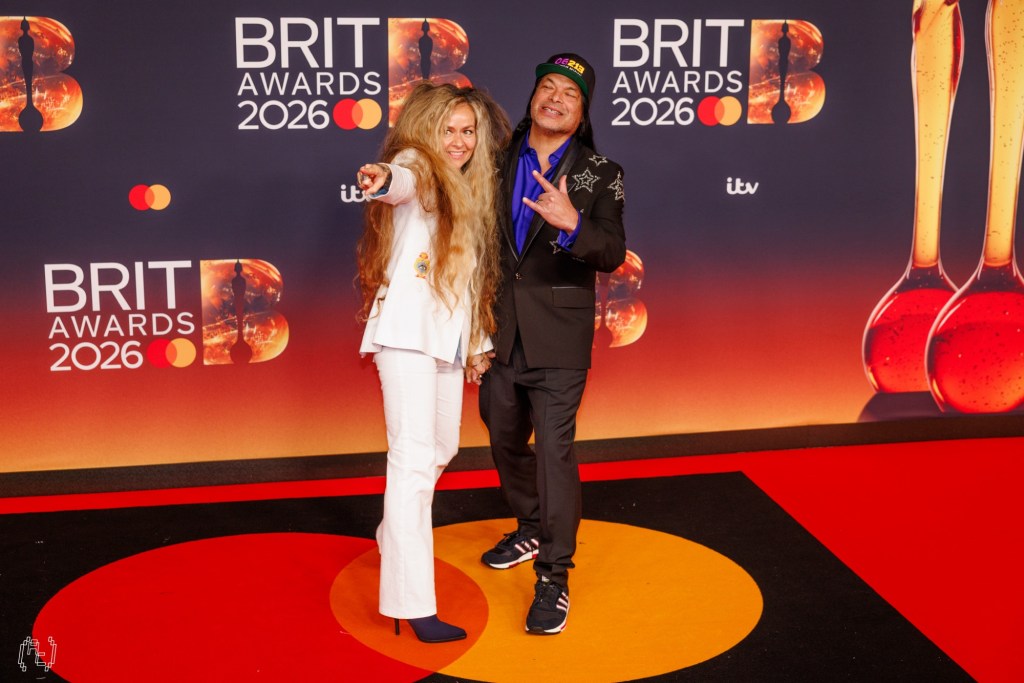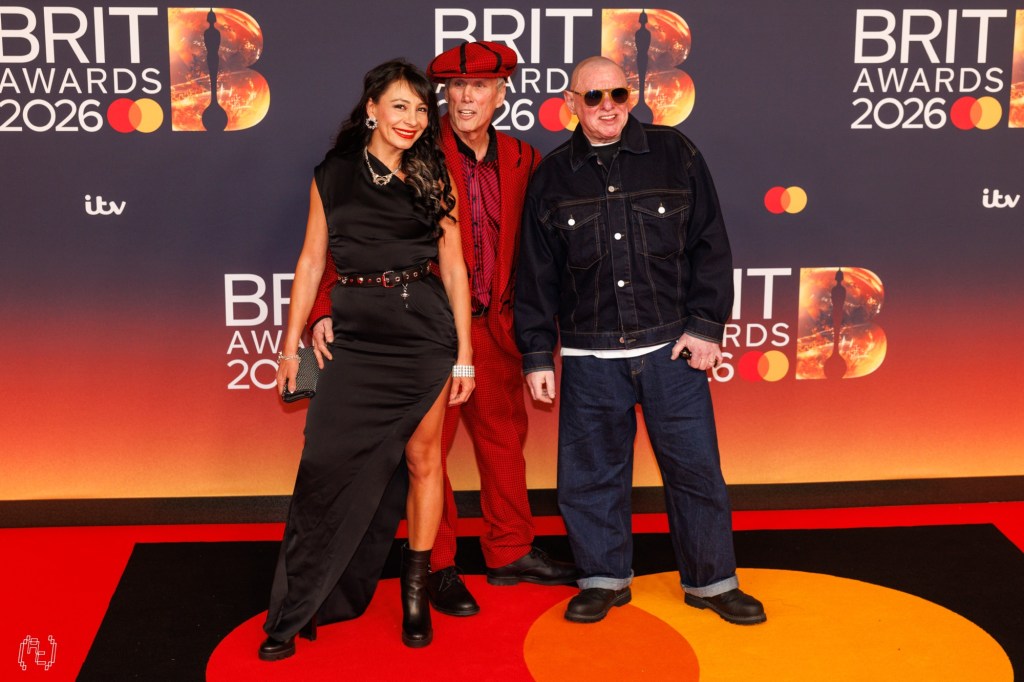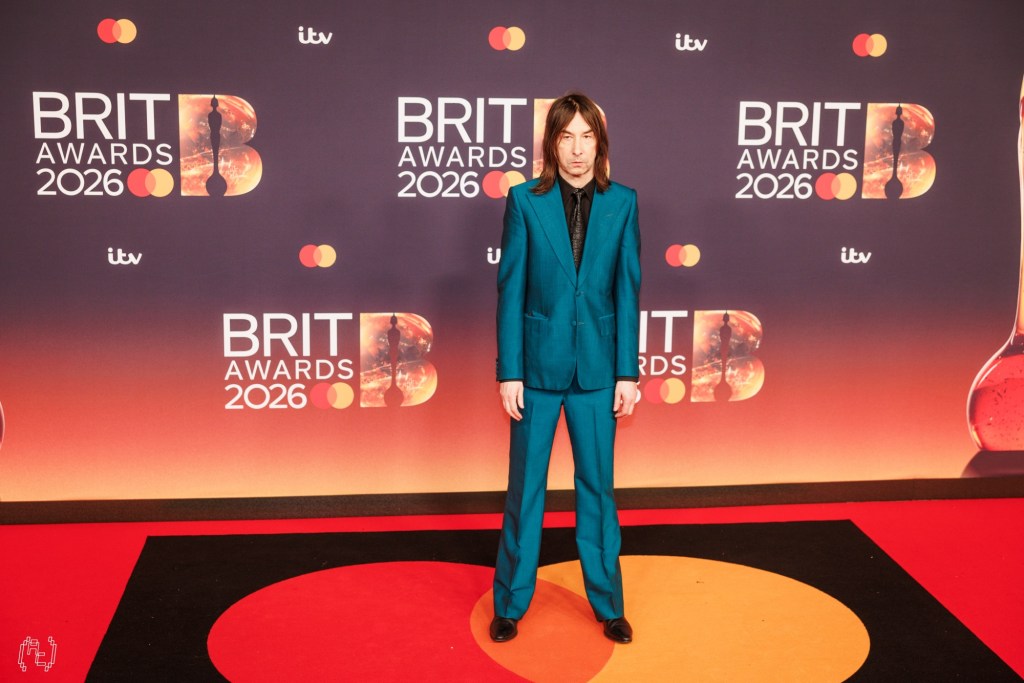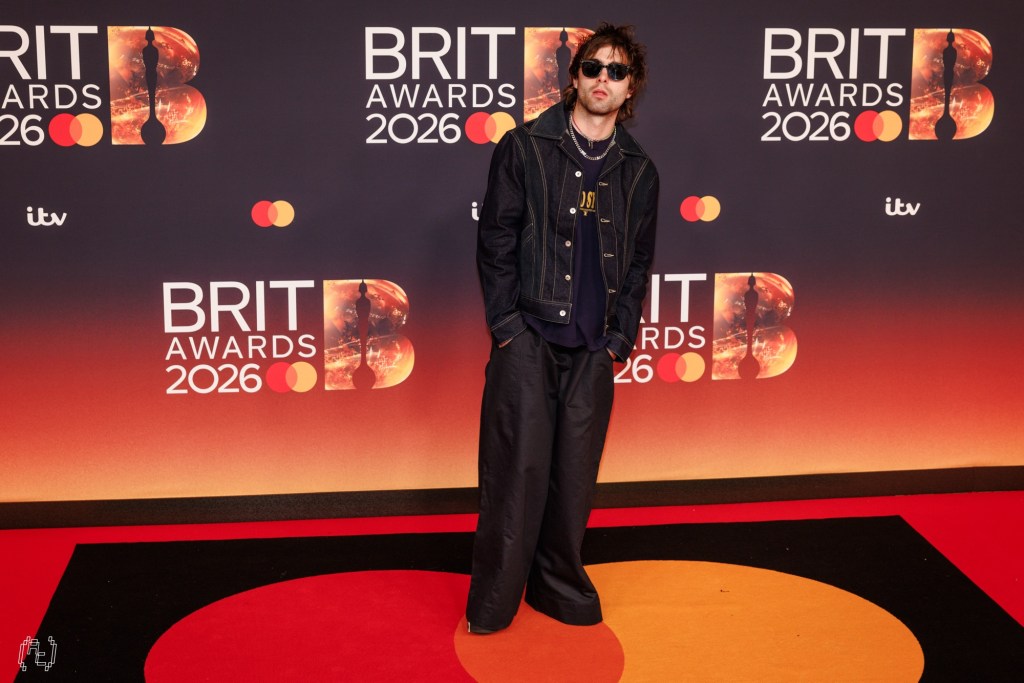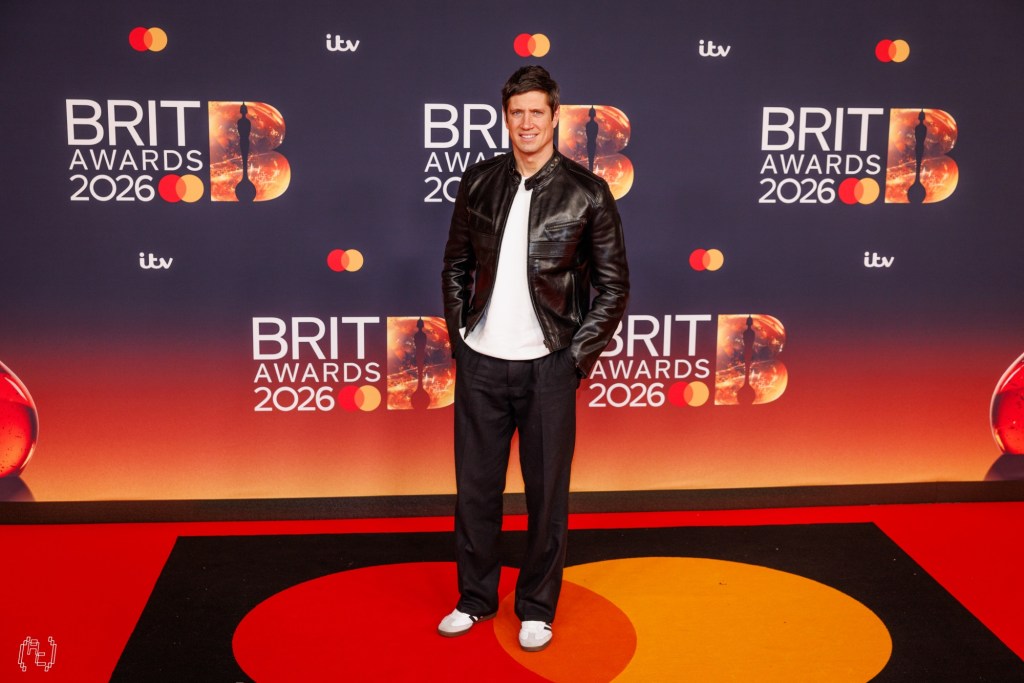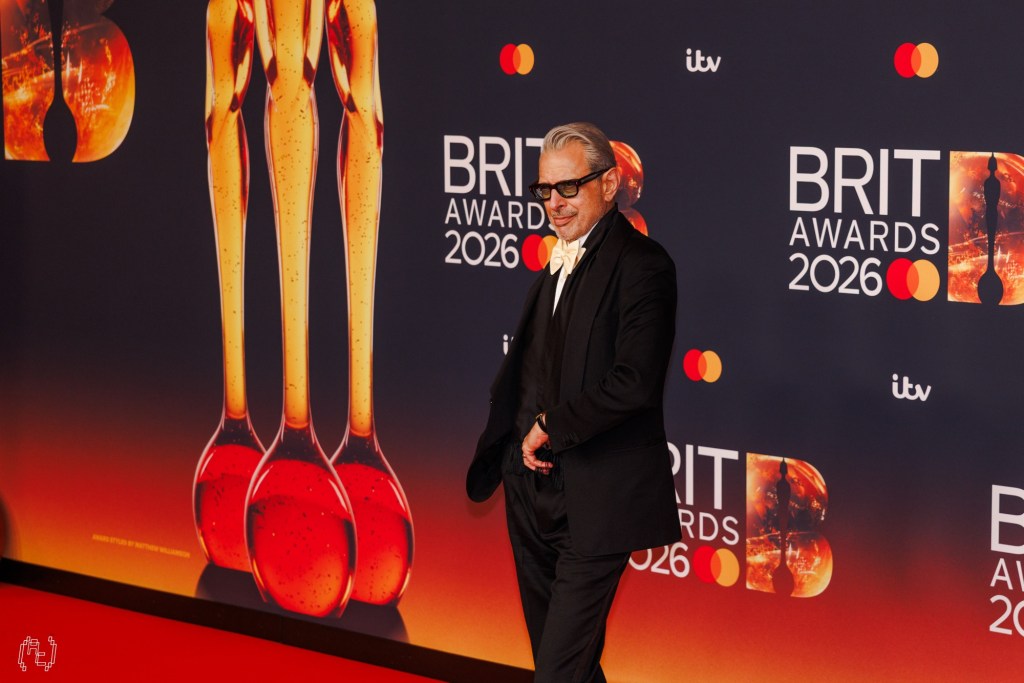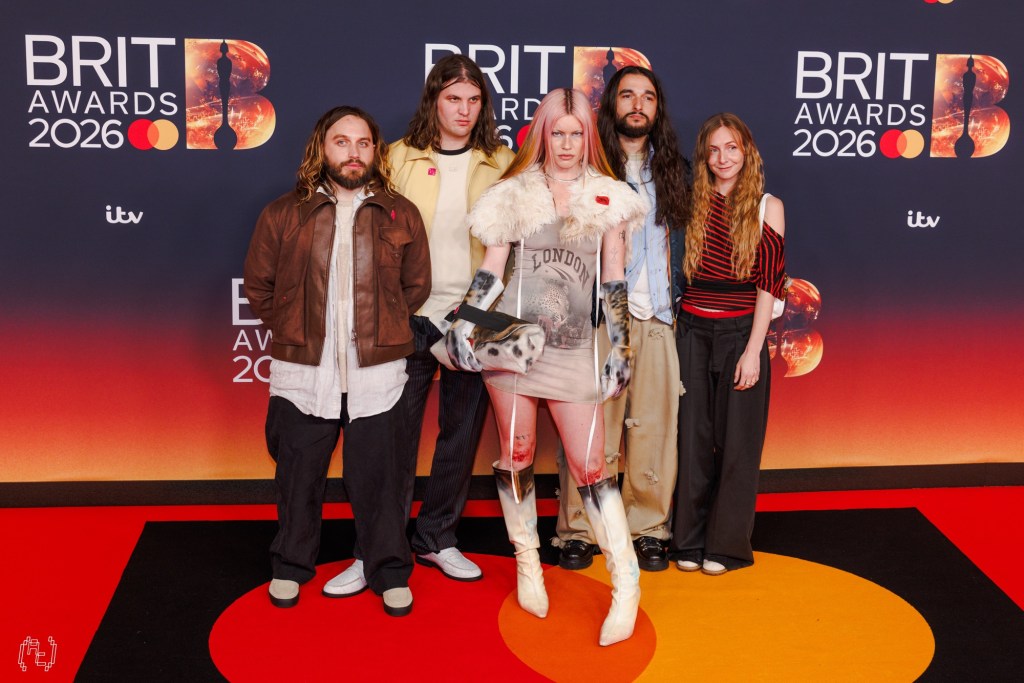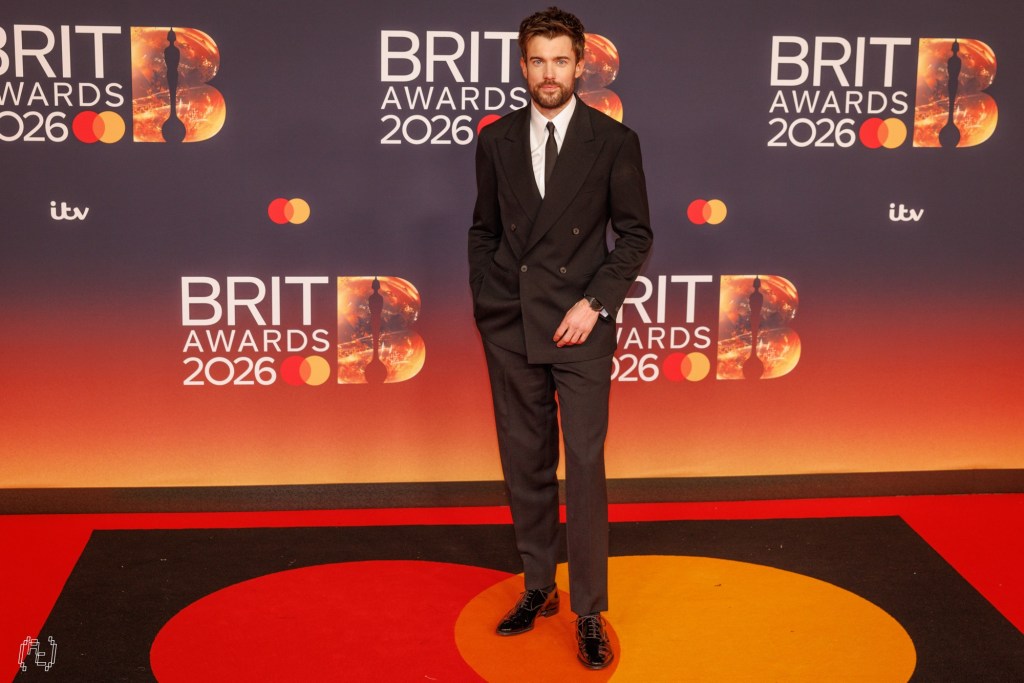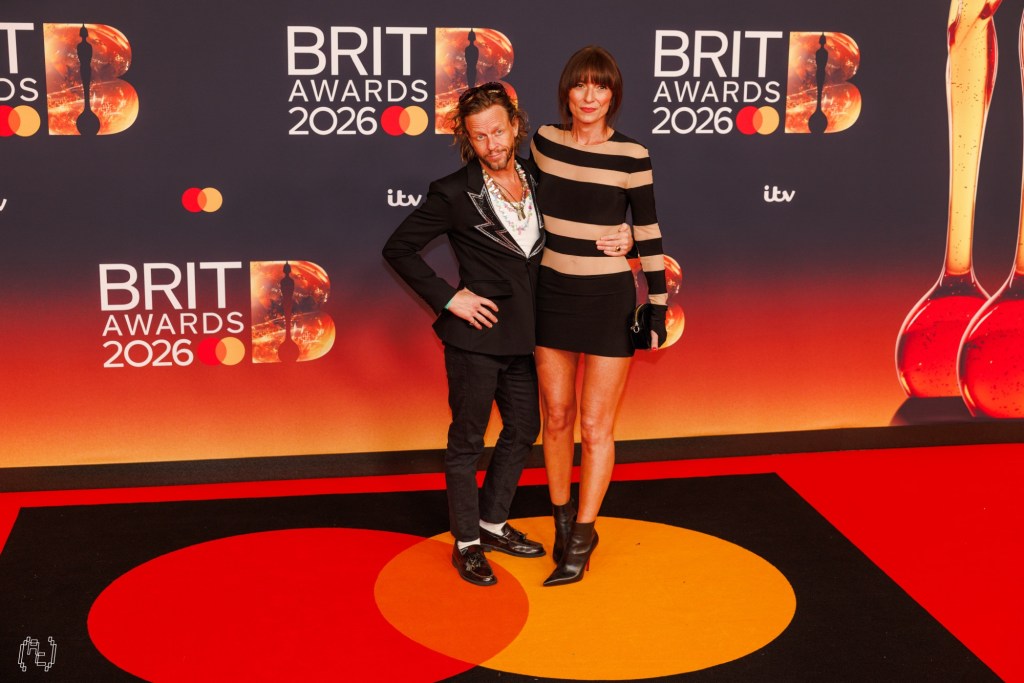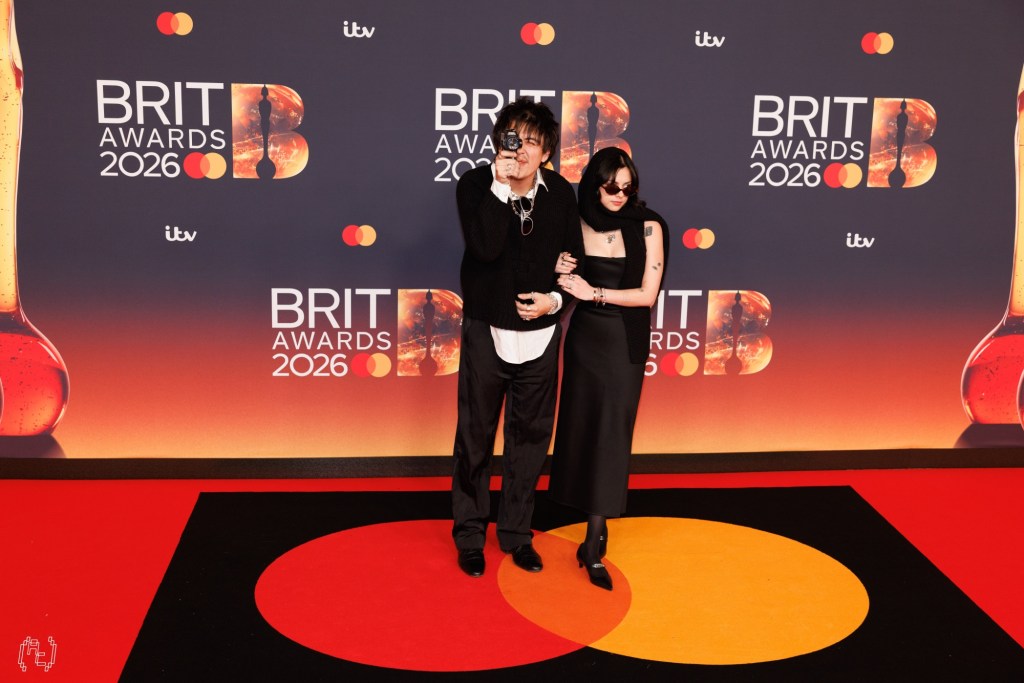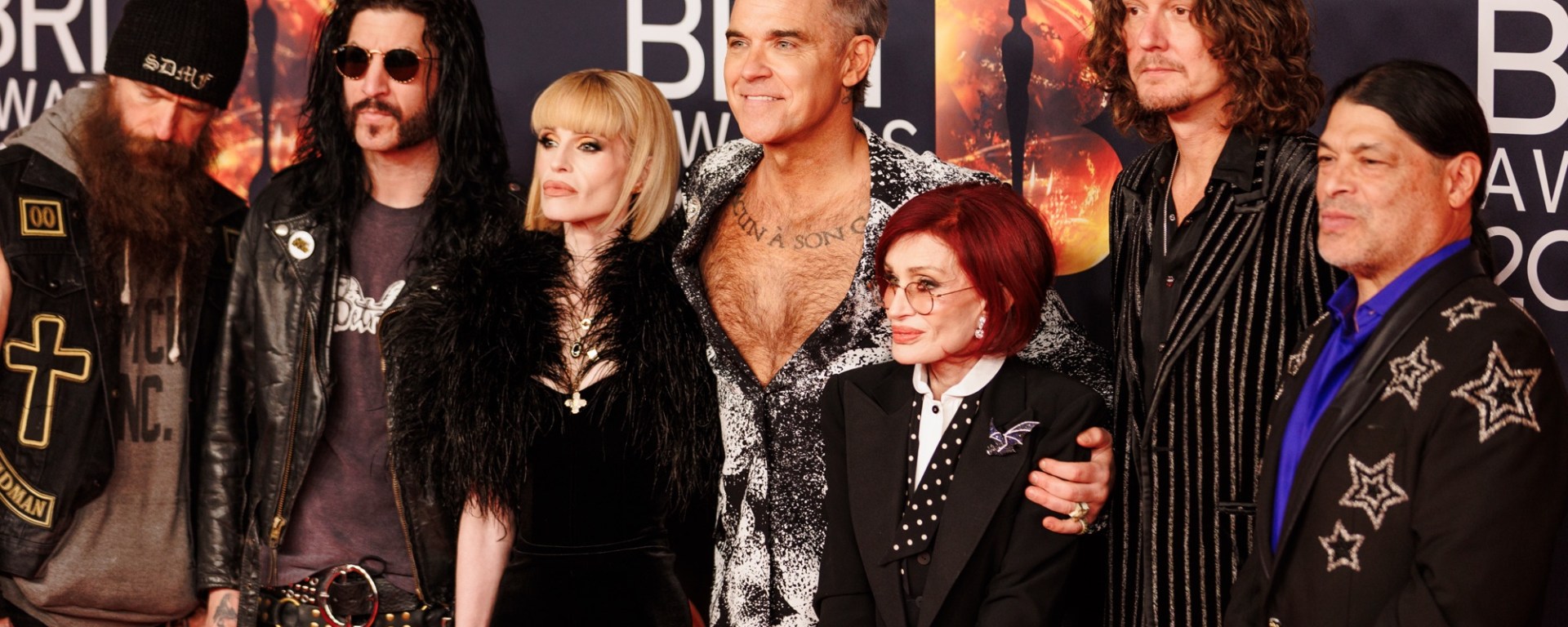
There are some invites you read twice. Then a third time, just to be sure it isn’t spam. The BRIT Awards. Red carpet access. Manchester.
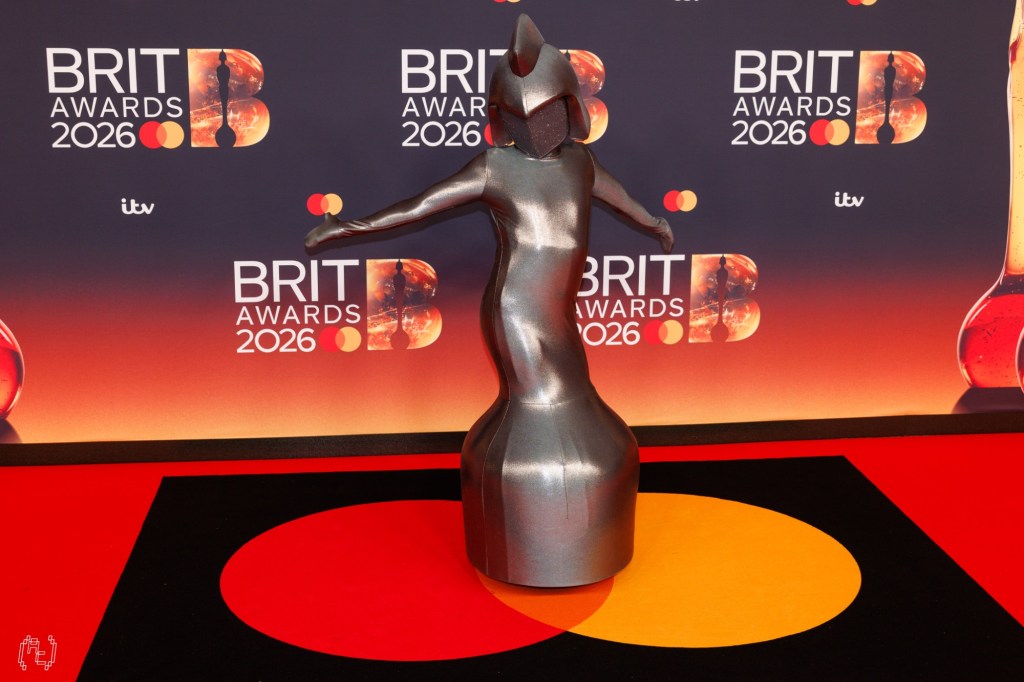
For the first time in its history, The BRIT Awards packed up its London postcode and headed north, landing in Manchester like it had something to prove. And standing pitch-side on the carpet, shoulder to shoulder with the crème de la crème of music journalism and photography, the very people we’d been quietly striving to stand alongside for years, I’ll admit it felt surreal. Britain’s biggest night in music, and I’m trying not to fall off my stool while pretending I belong here.
Why Manchester Makes Sense
Let’s deal with the geography first. Taking the BRITs out of London wasn’t just a logistical flex, it was a statement. Manchester has never needed validation as a music city, but it does deserve recognition. From the industrial poetry of Joy Division and the swagger of Oasis to the club culture legacy of The Chemical Brothers, this city doesn’t just produce artists, it shapes movements.
You can feel it in the bricks. Manchester’s music history is not preserved in glass cabinets, it’s etched into pub walls and late-night bus routes. Hosting the BRITs here felt less like a novelty and more like a homecoming for the industry’s own credibility. If the awards are meant to celebrate British music, then shifting north acknowledges that British music doesn’t start and end at the M25.
There was also something grounding about it. The red carpet wasn’t floating in a London bubble of curated aloofness. It was set against a city that knows what graft is, what scene means, what community does for an artist before the trophies ever arrive.
The Red Carpet: Controlled Chaos
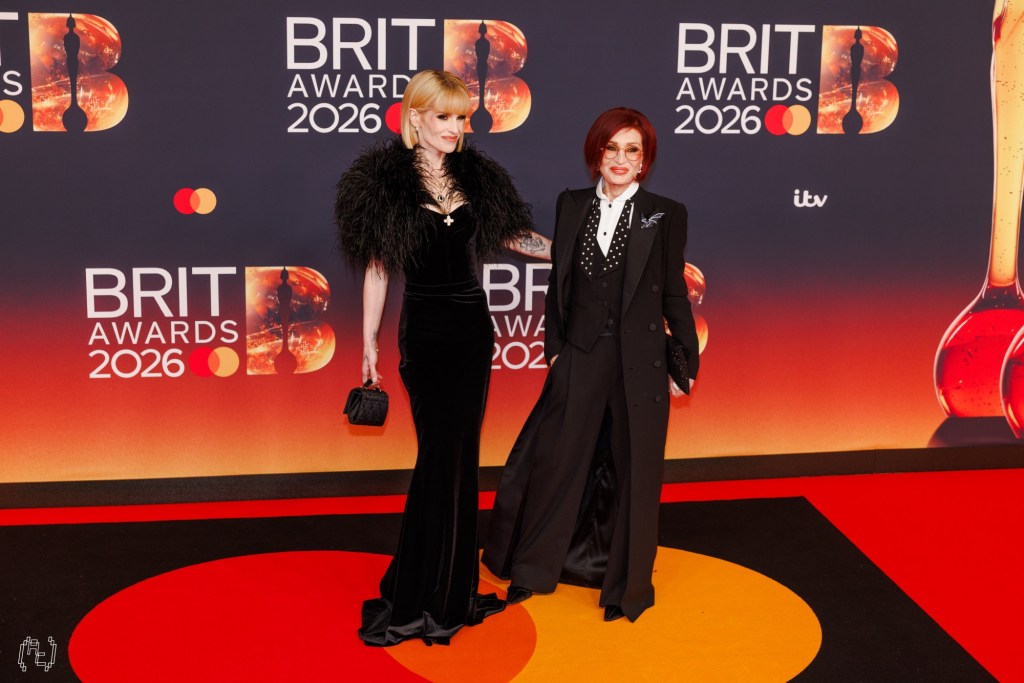
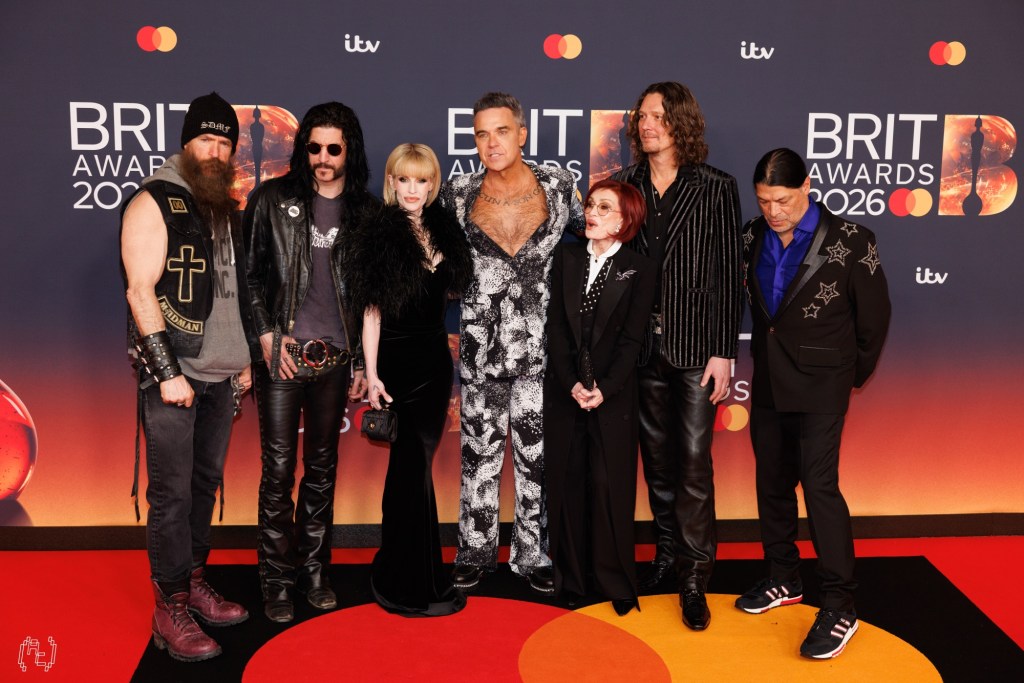
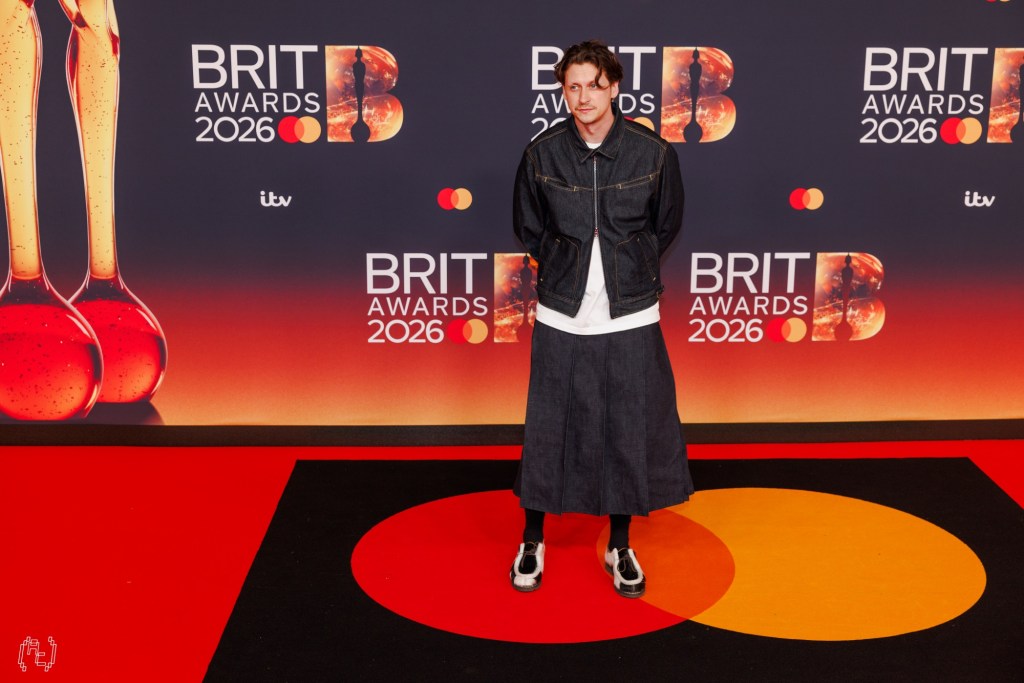
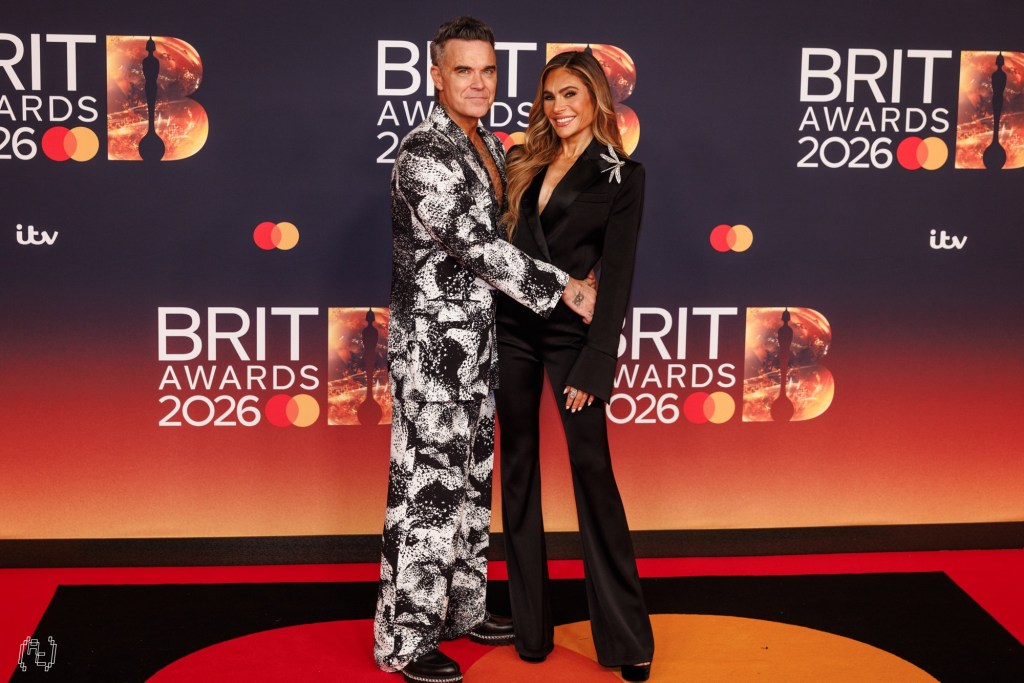
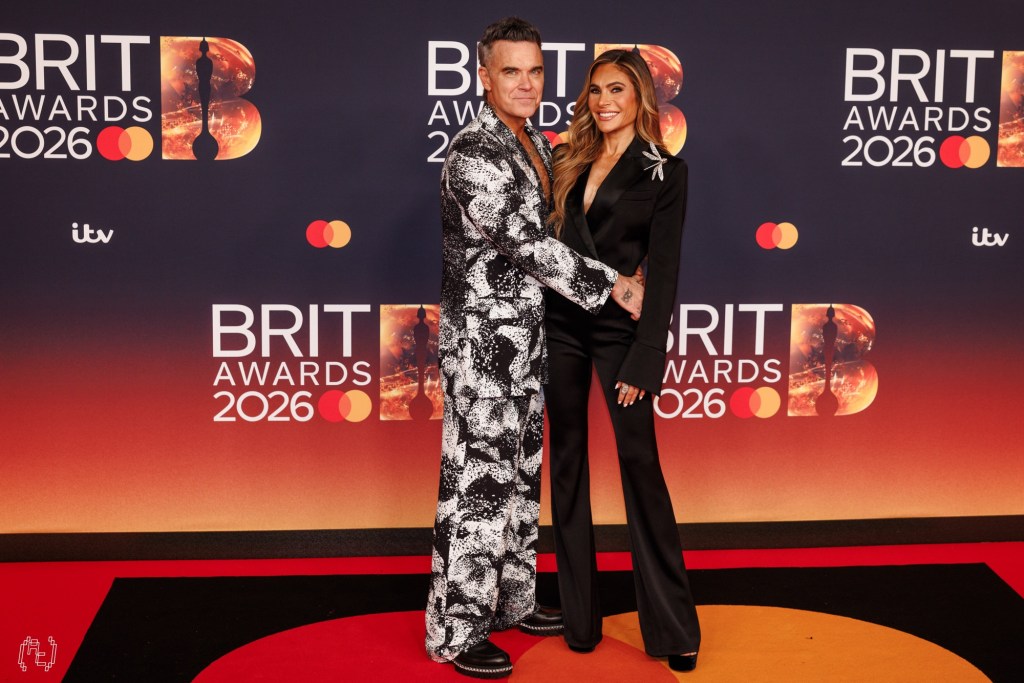
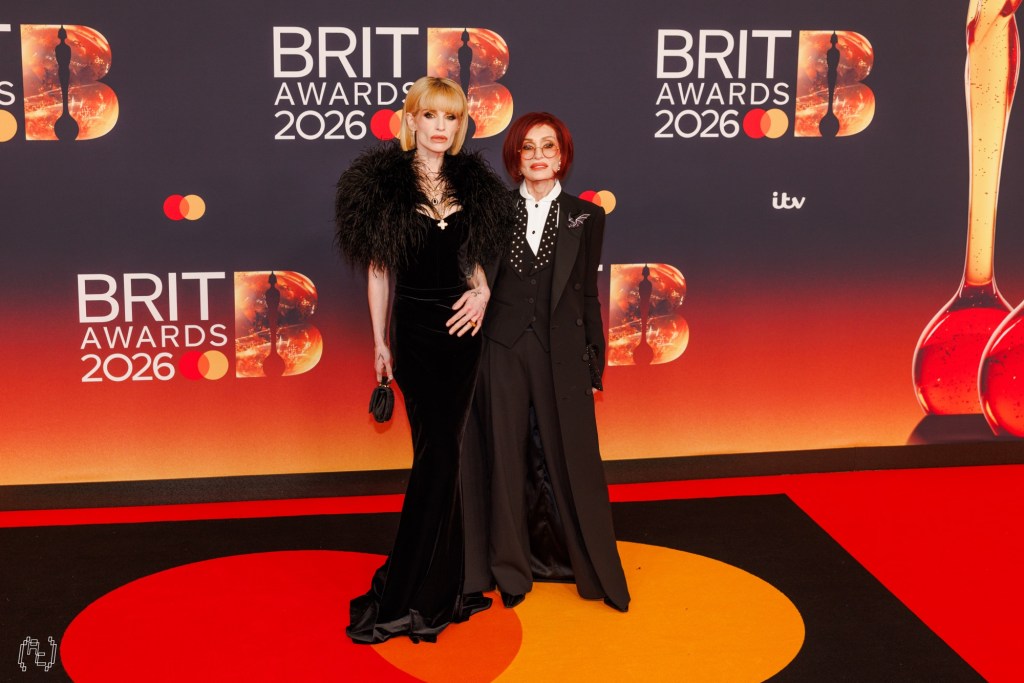
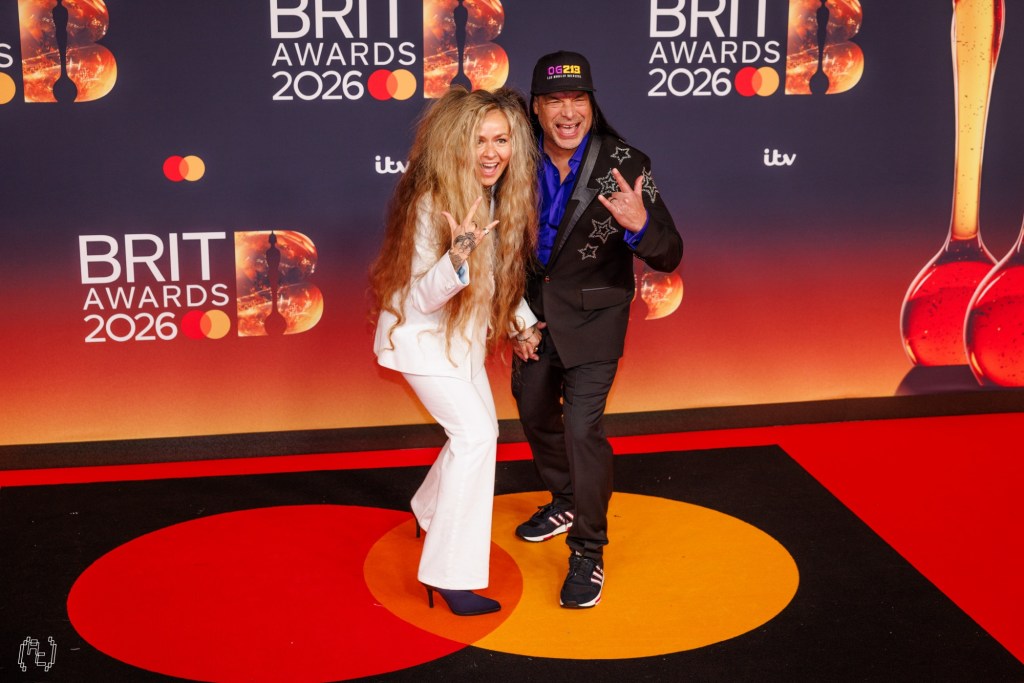
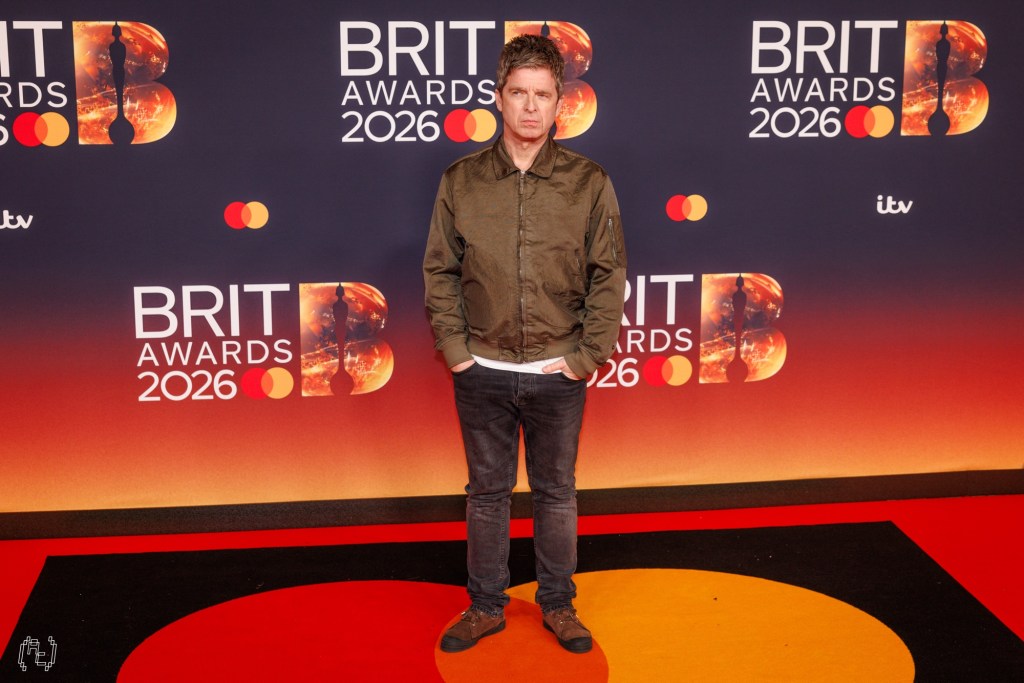
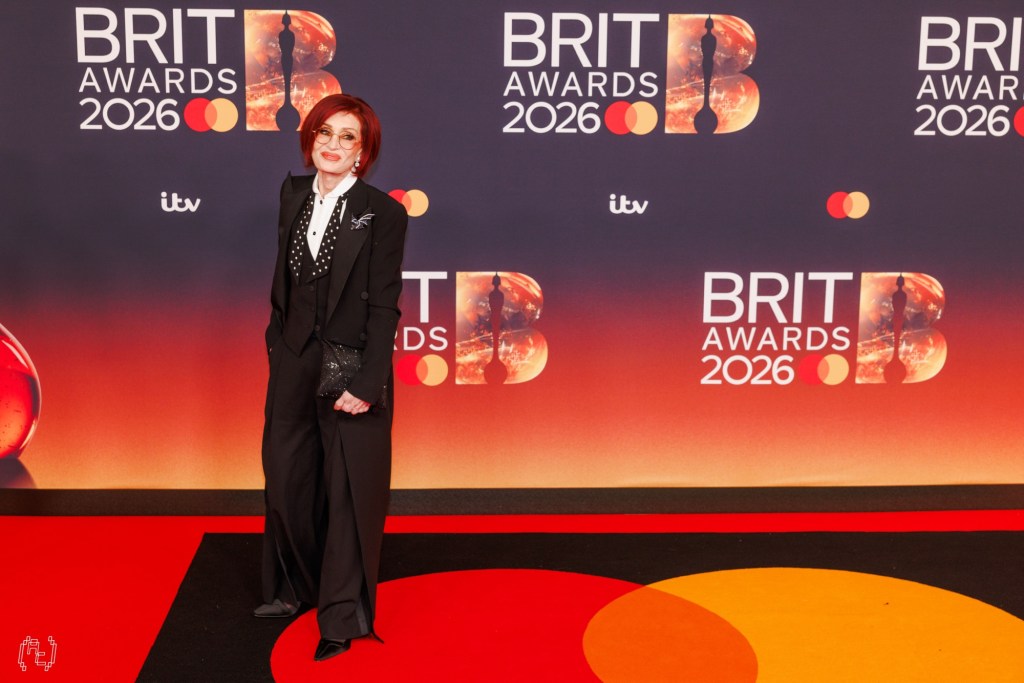
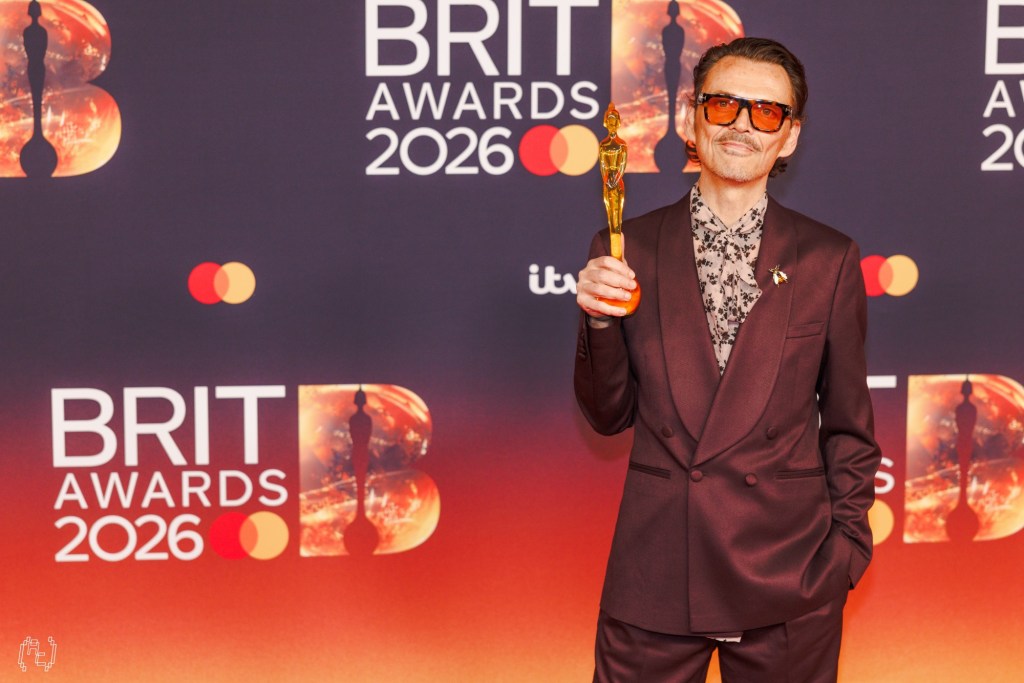
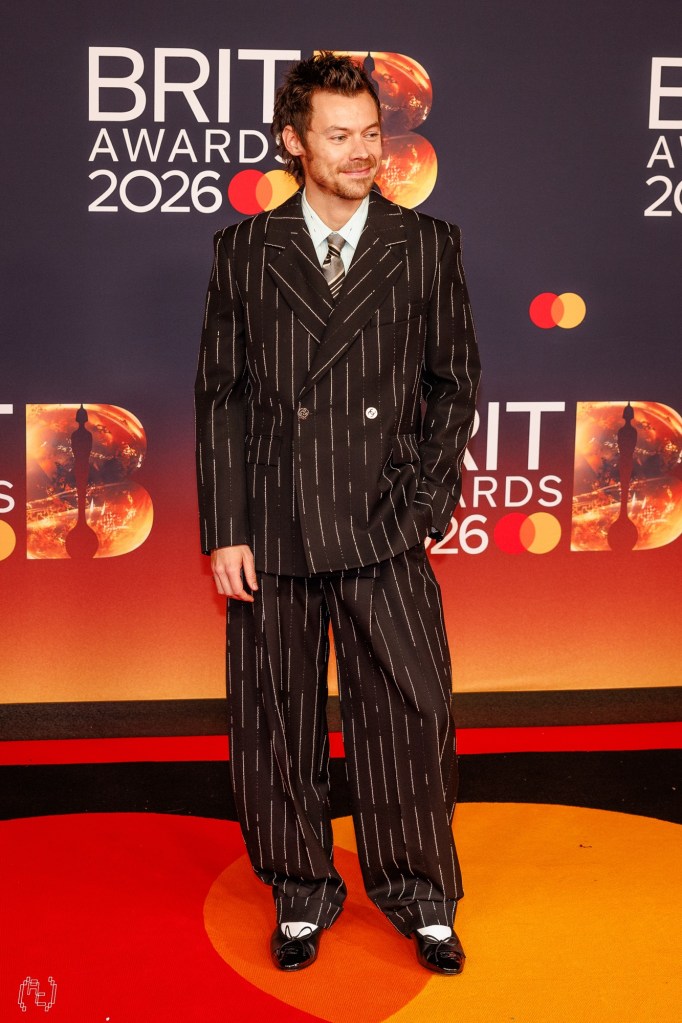
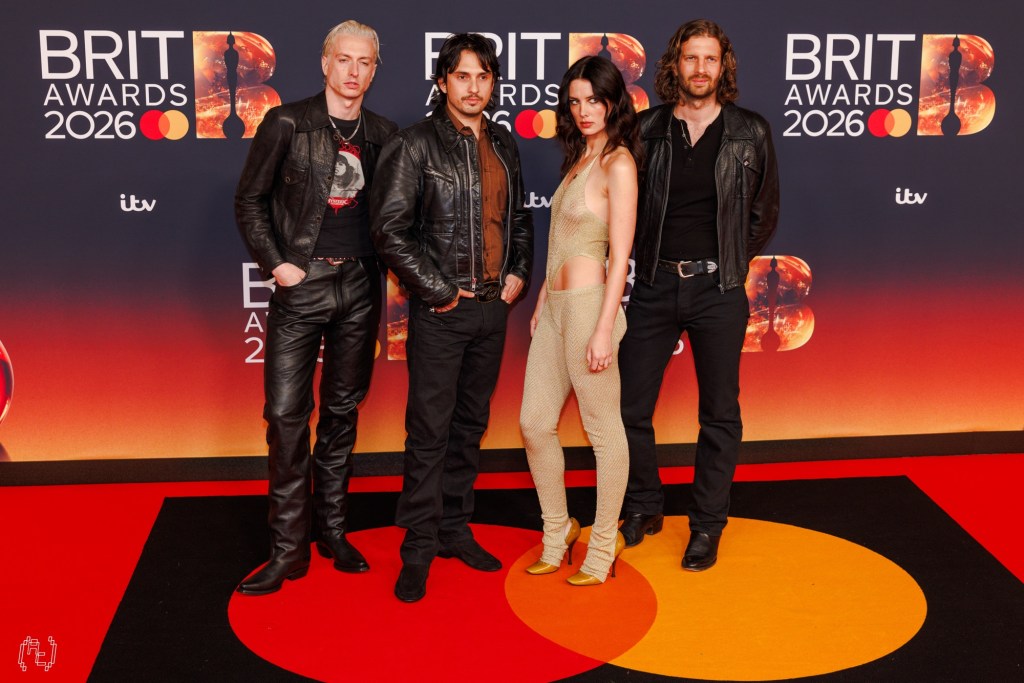
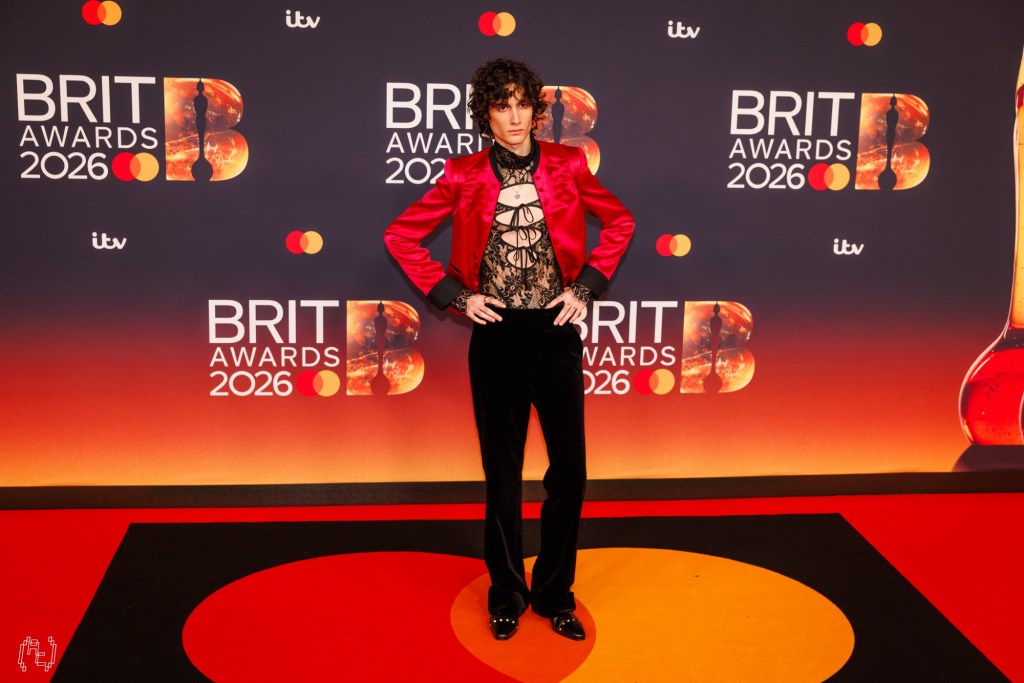
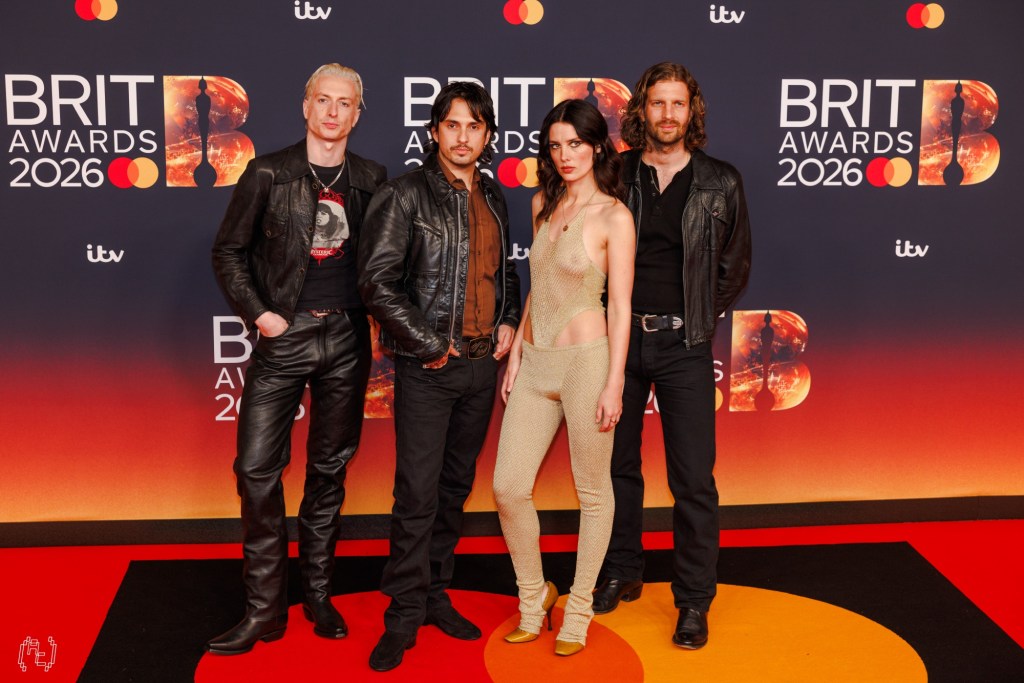
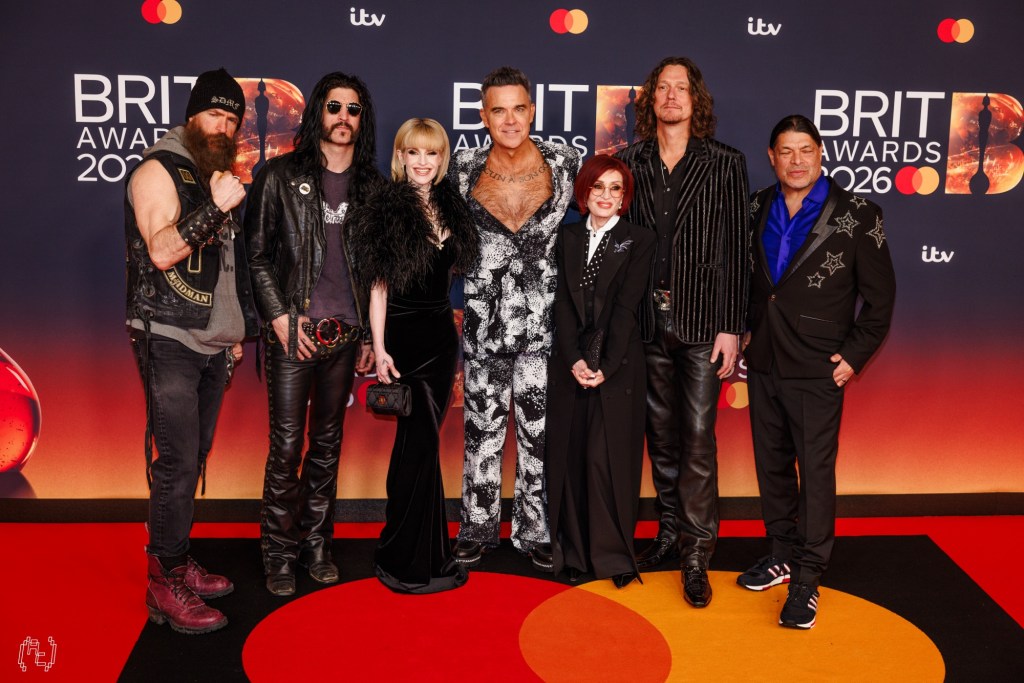
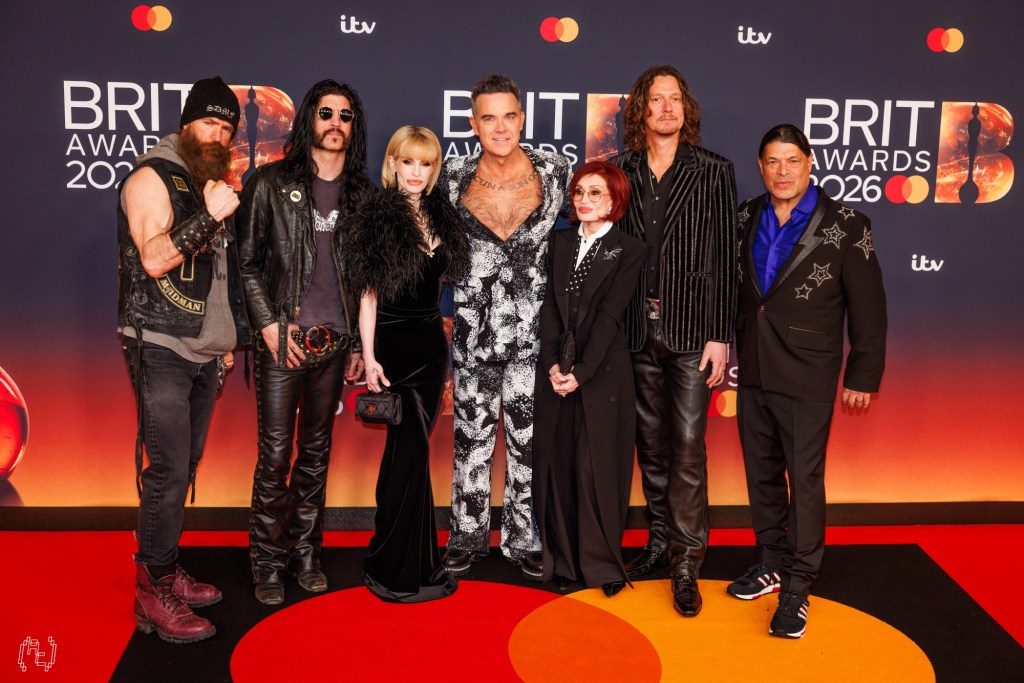
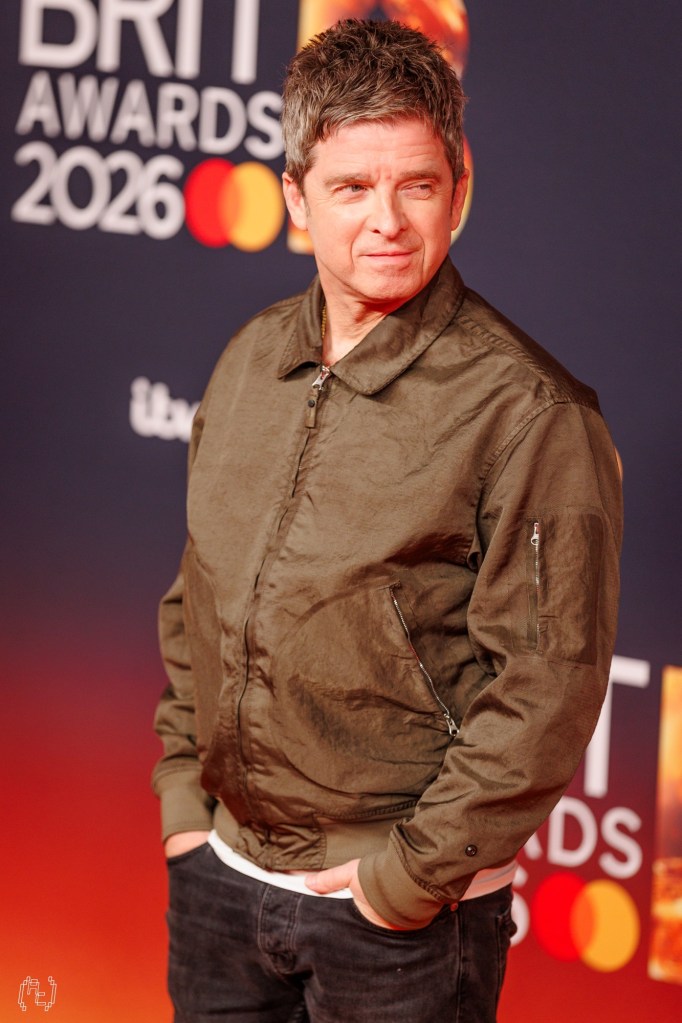
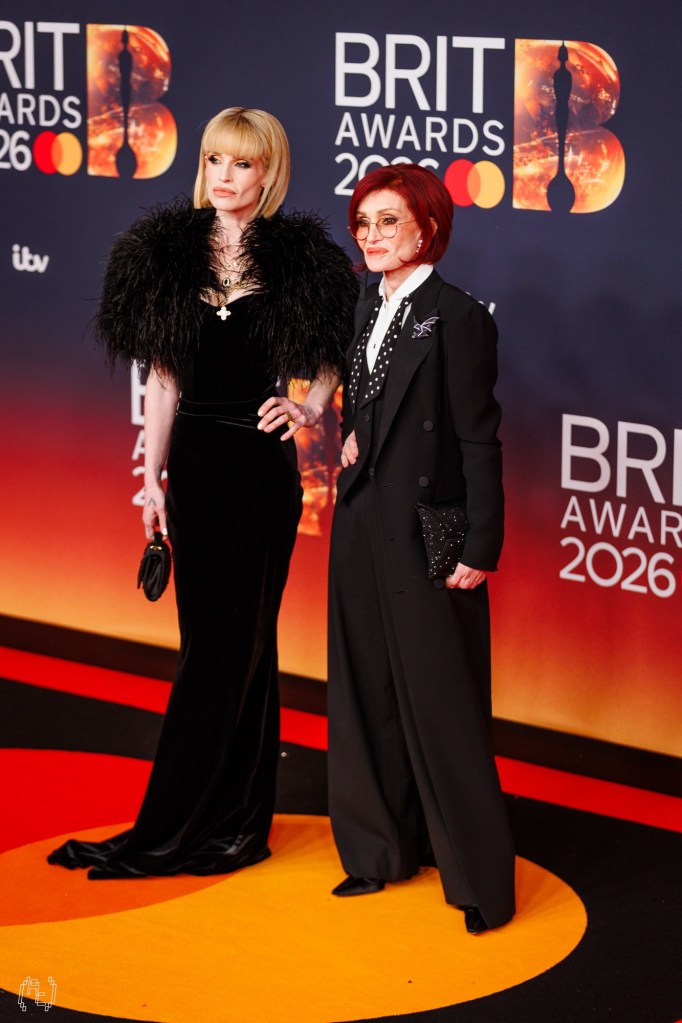
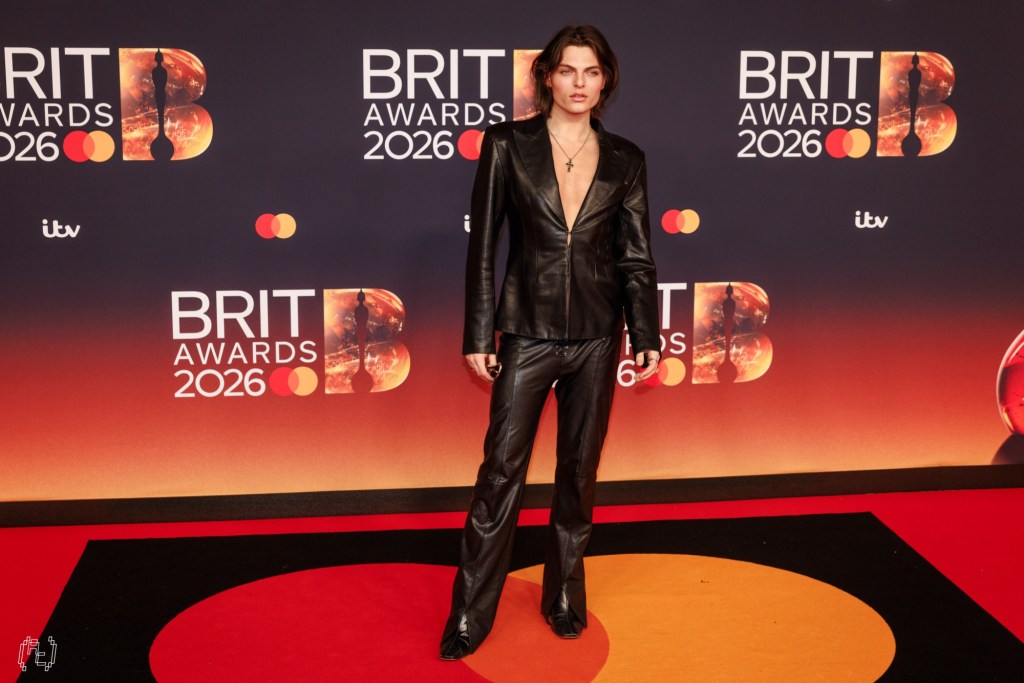
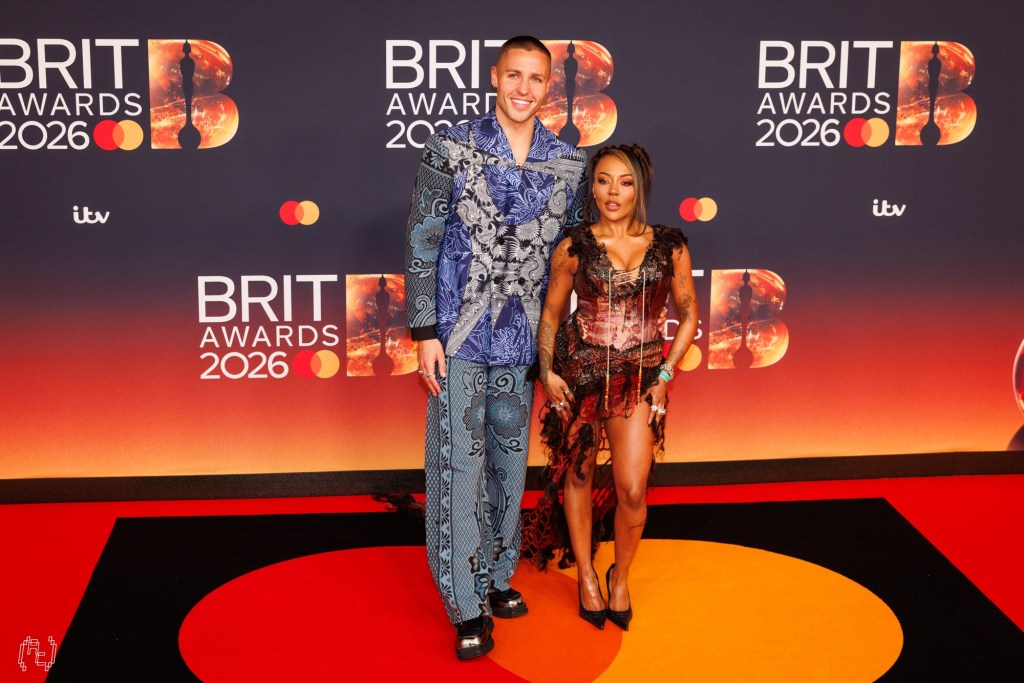
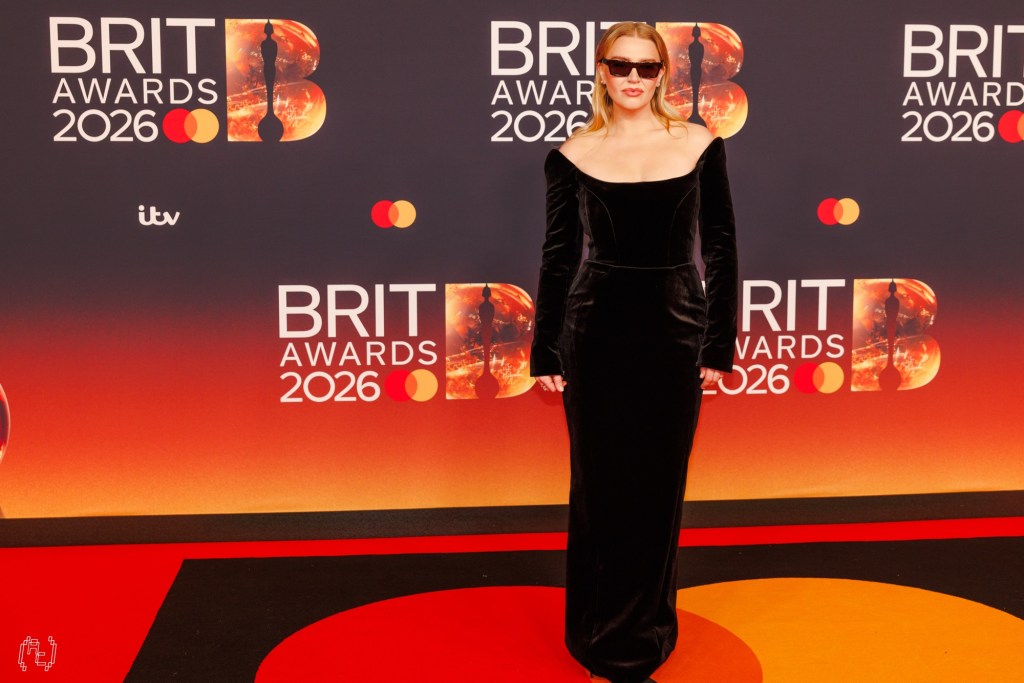
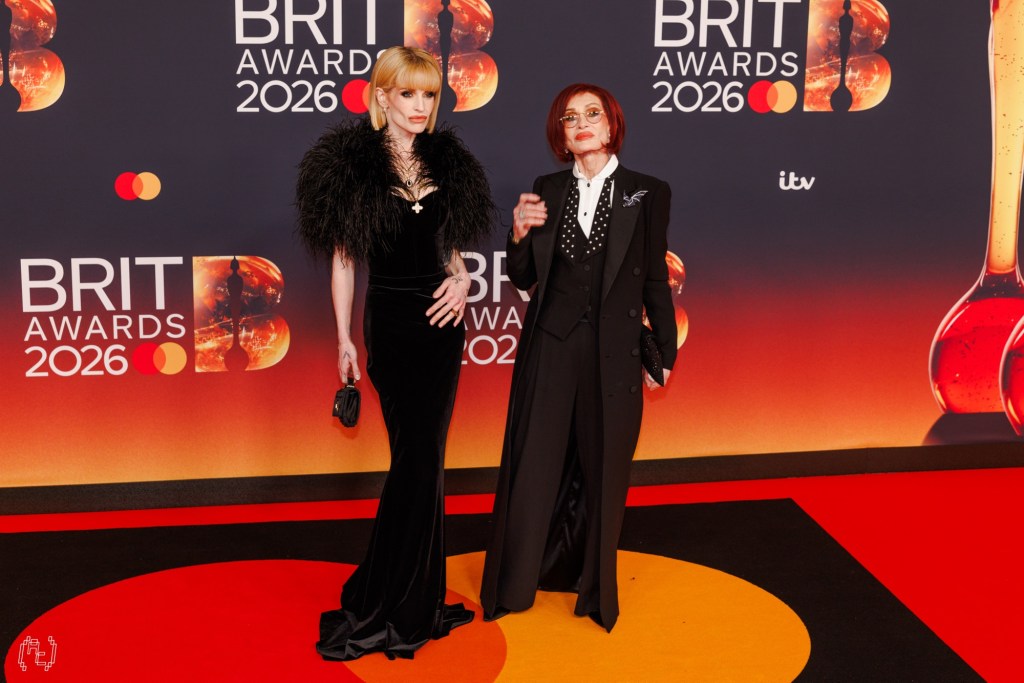
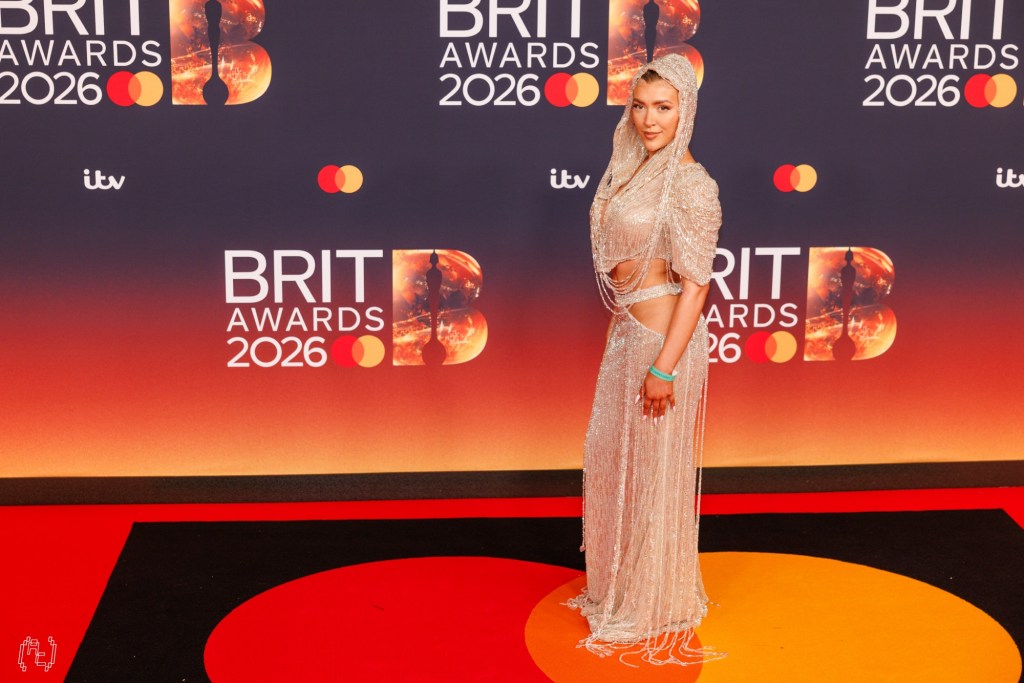
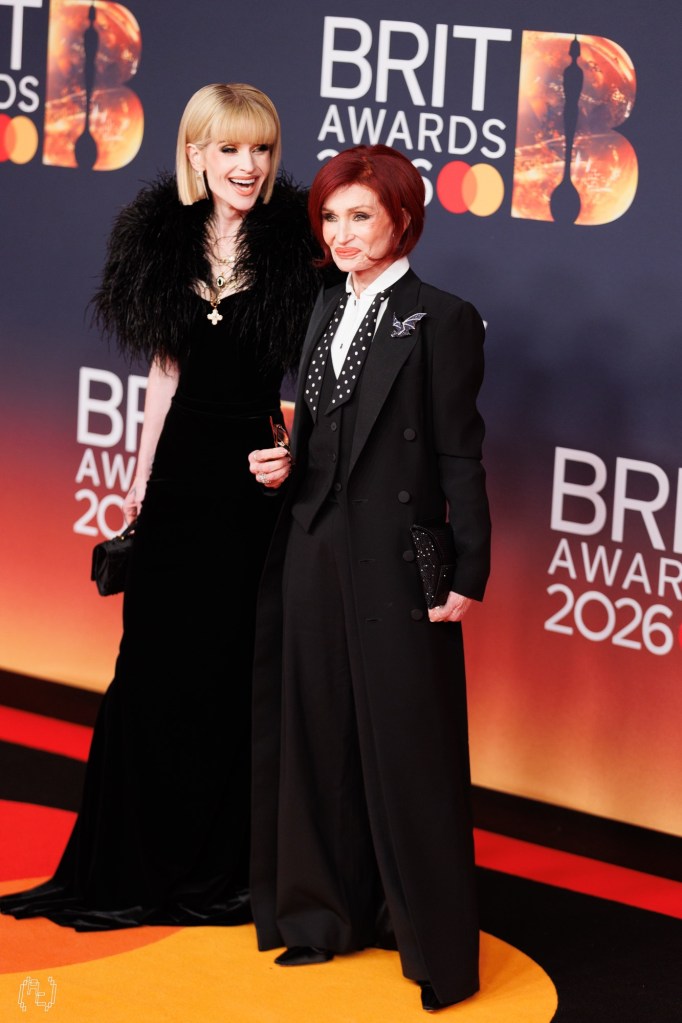
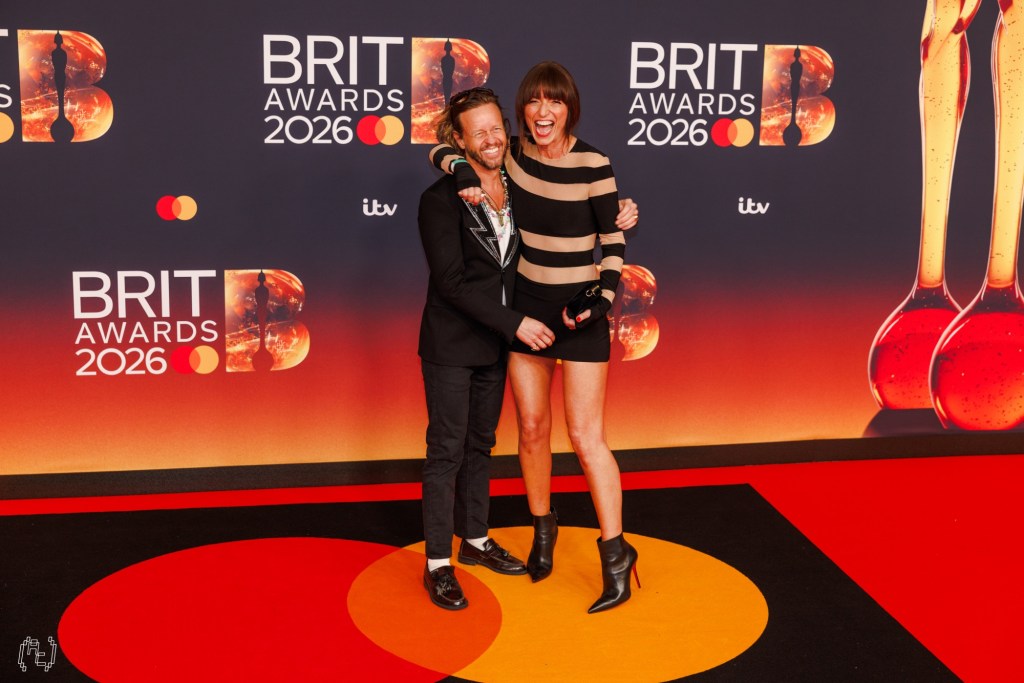
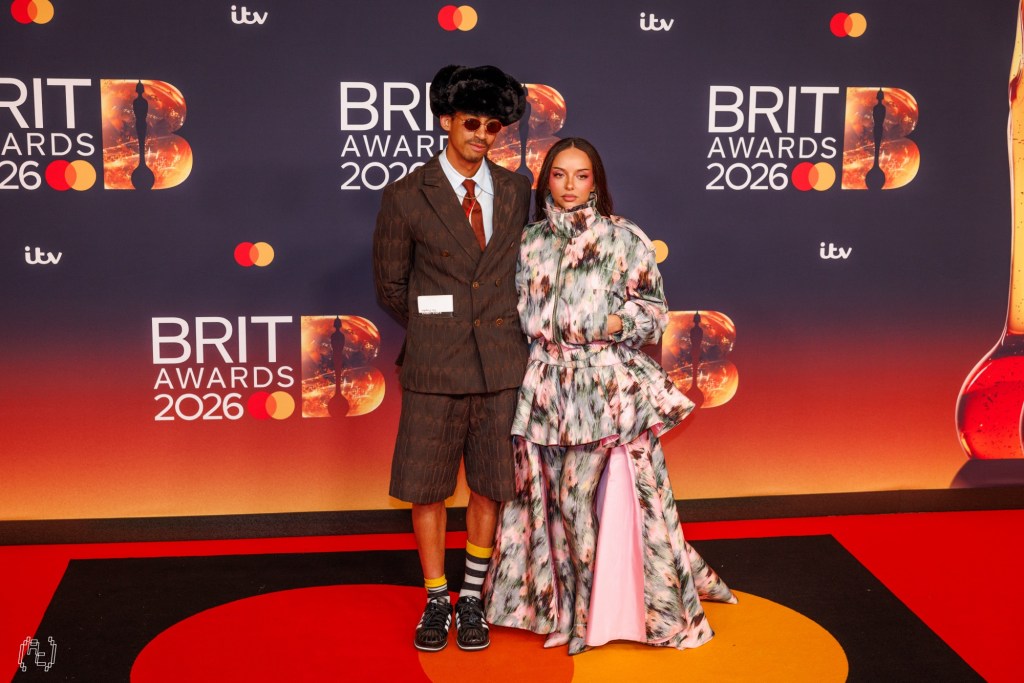
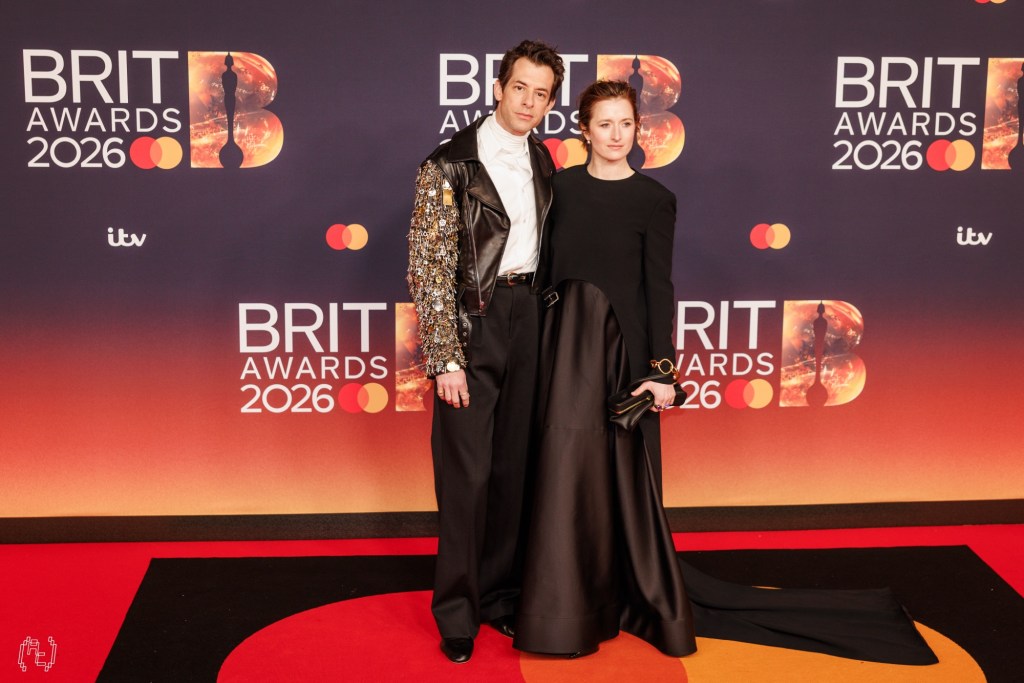
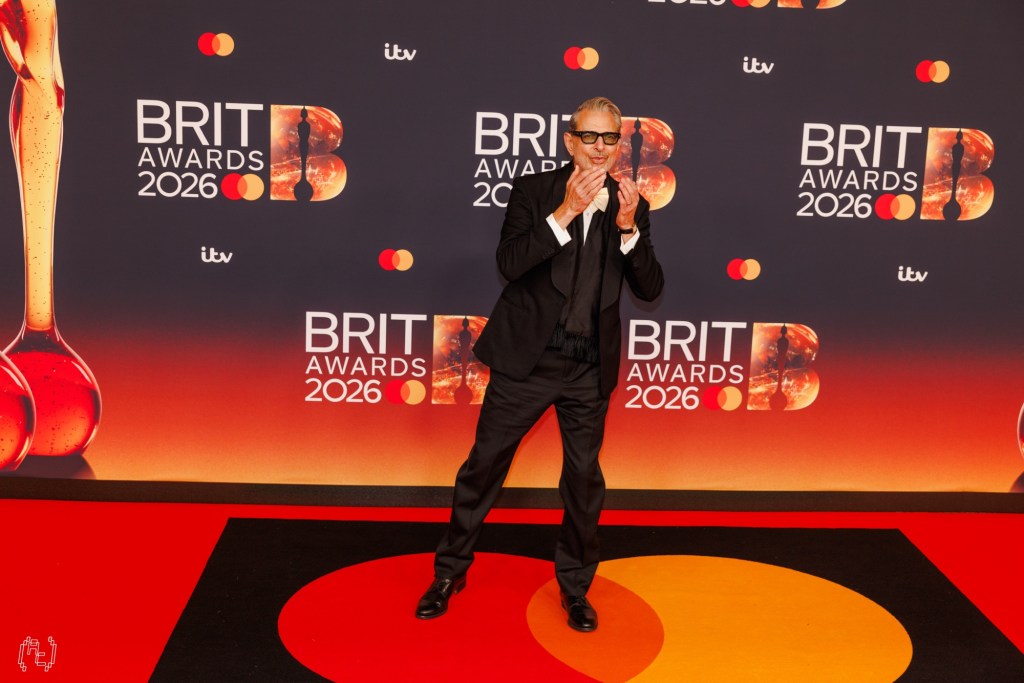
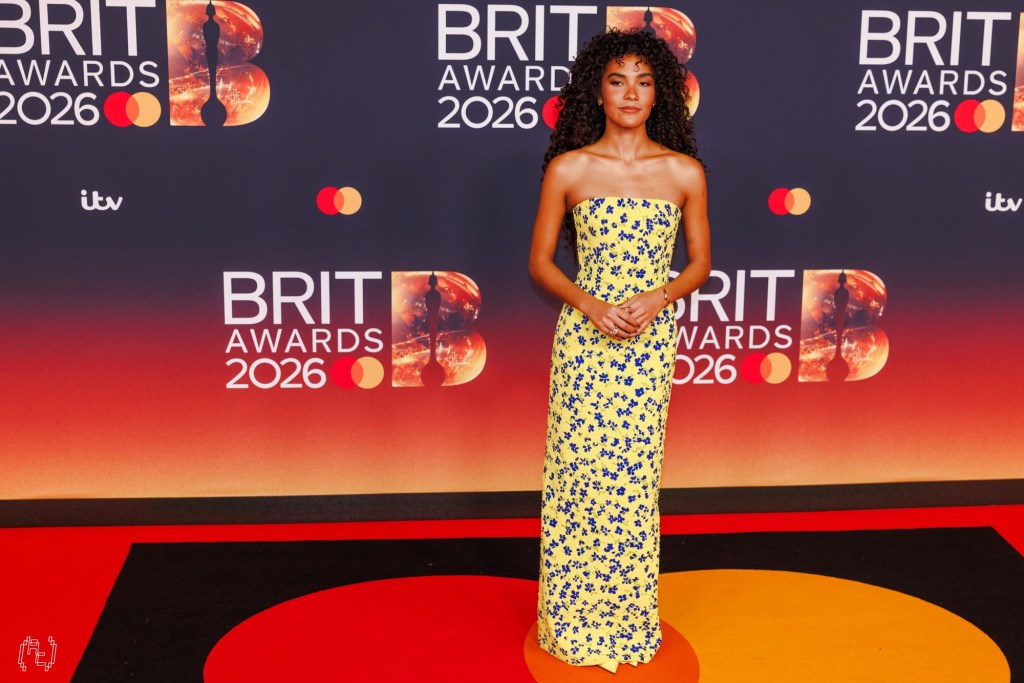
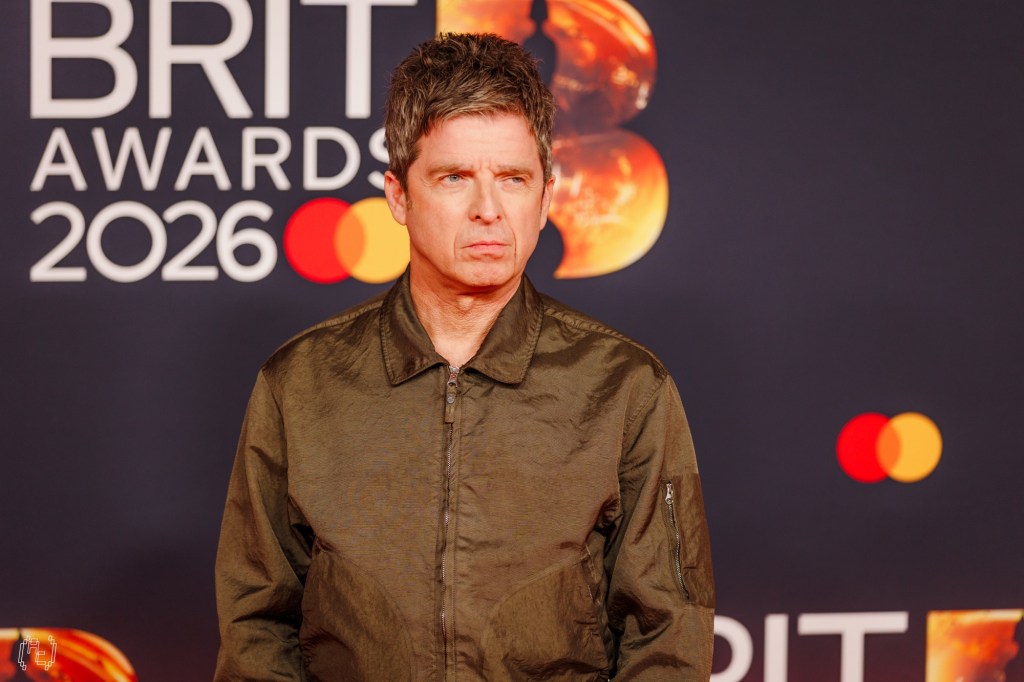
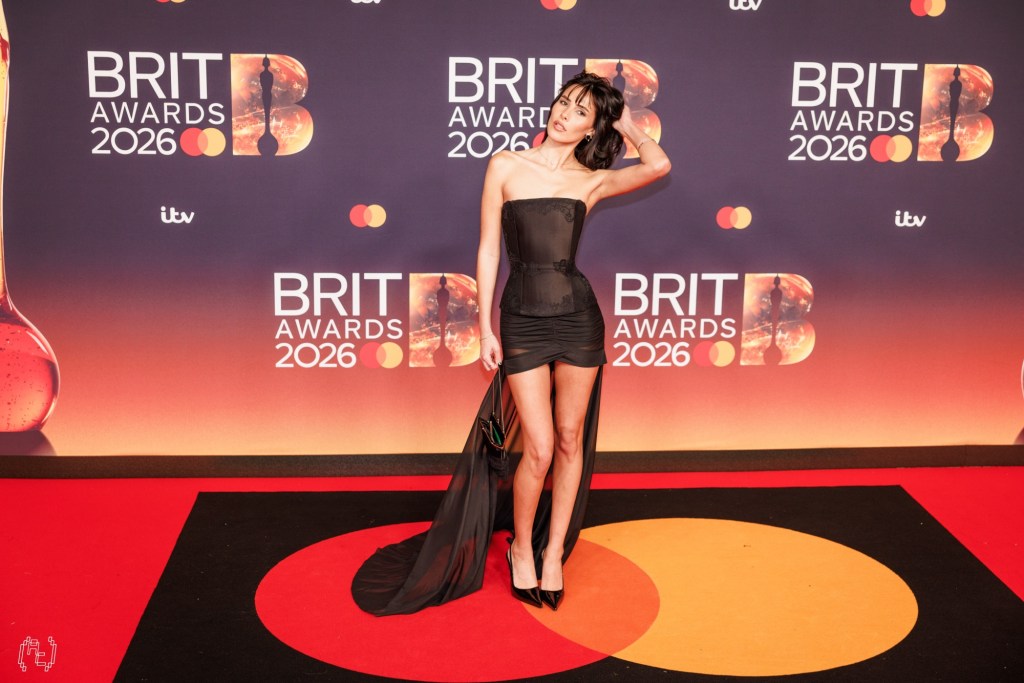
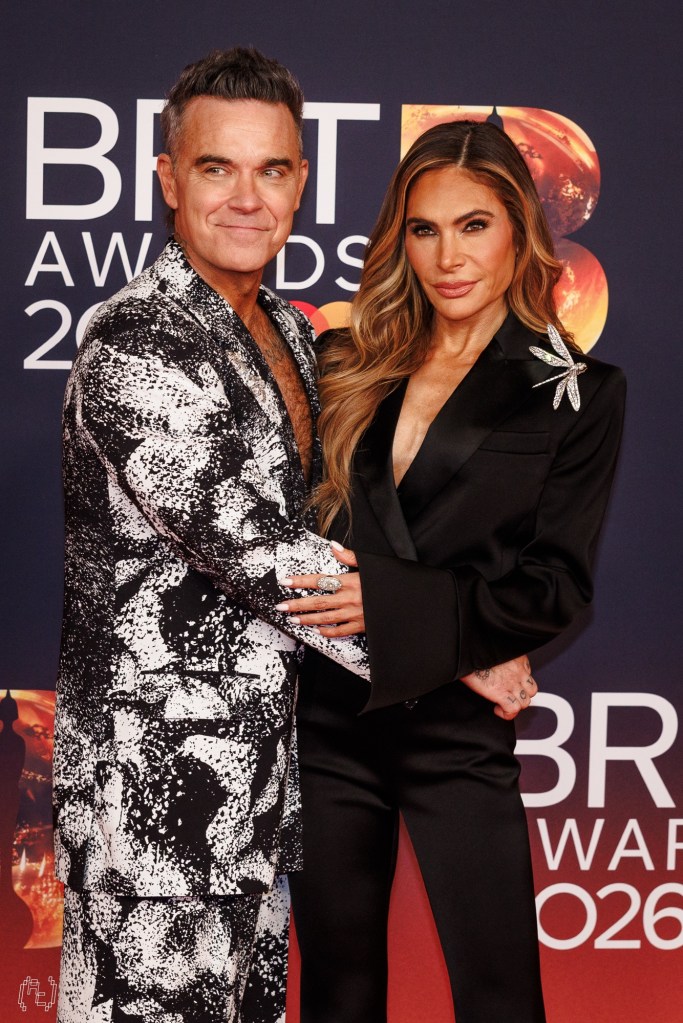
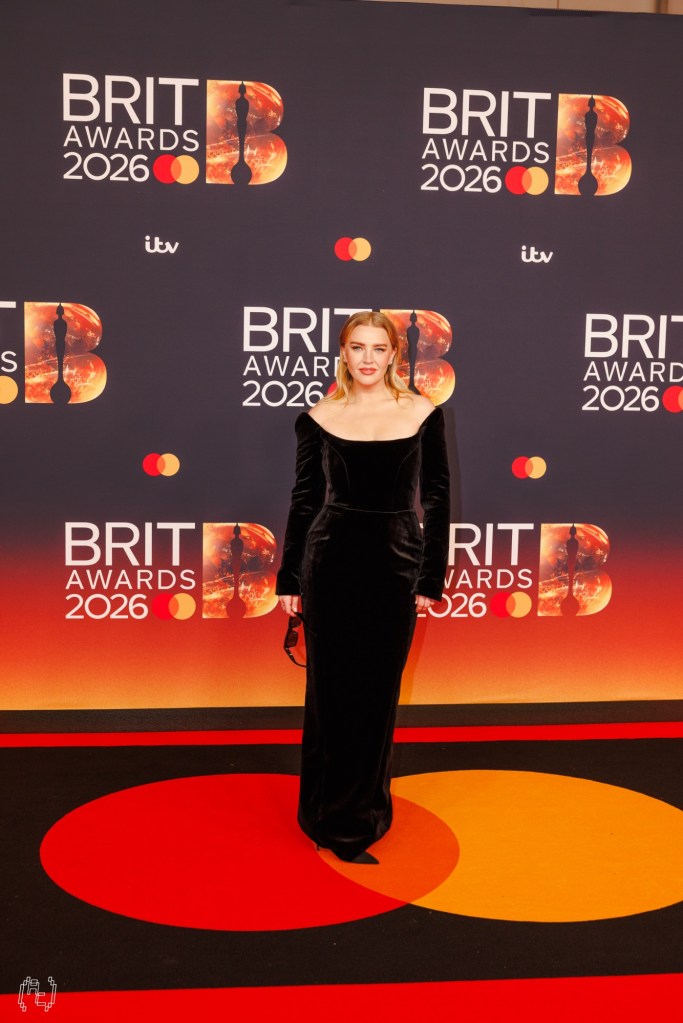
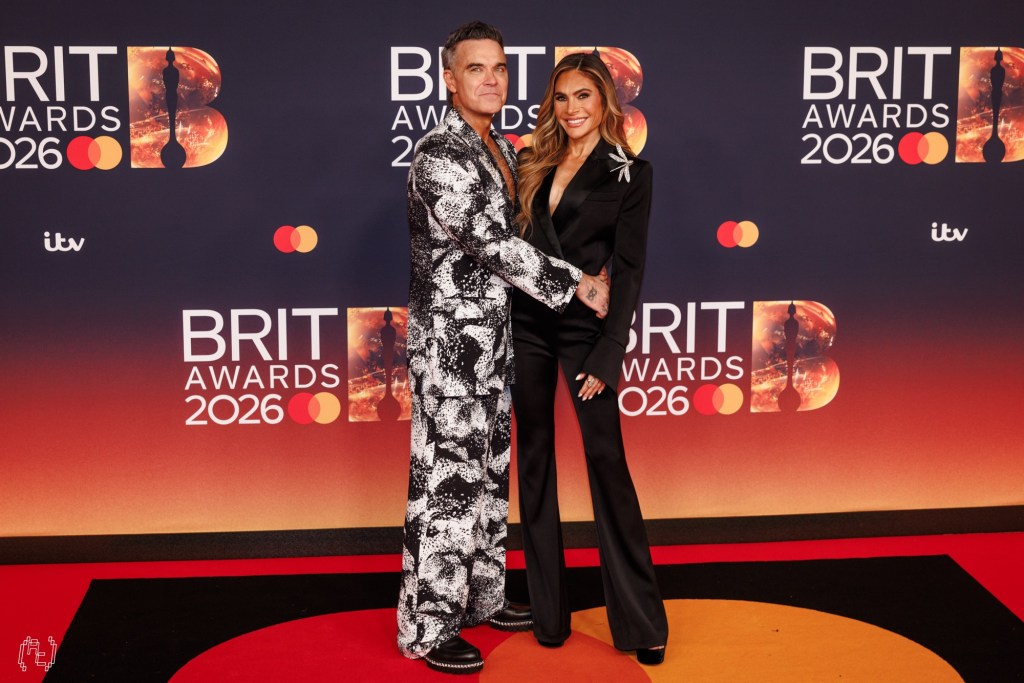
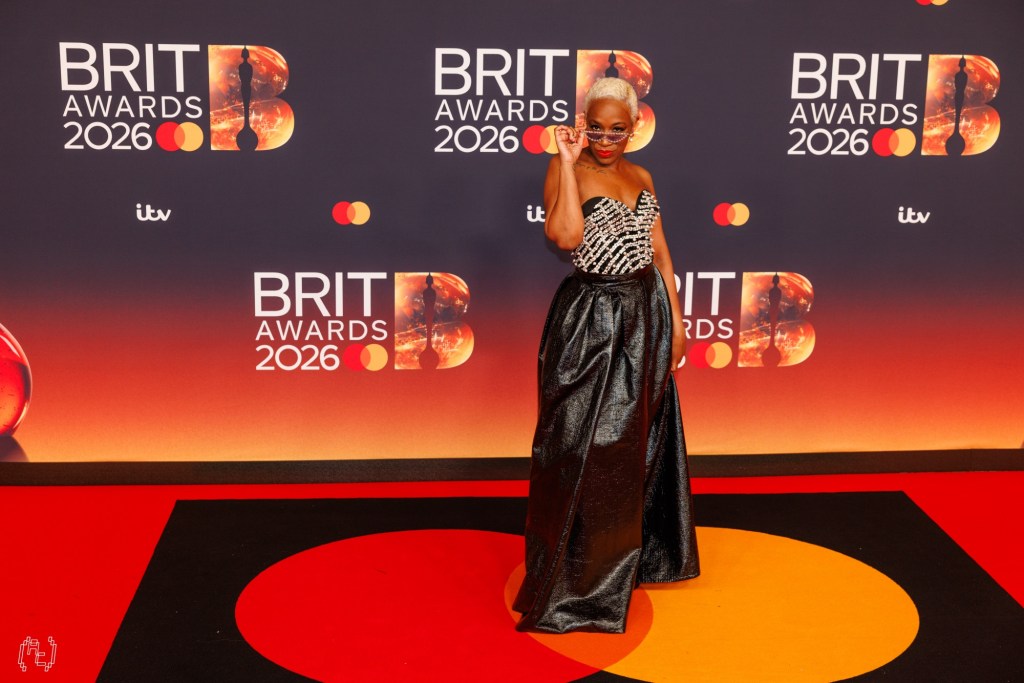
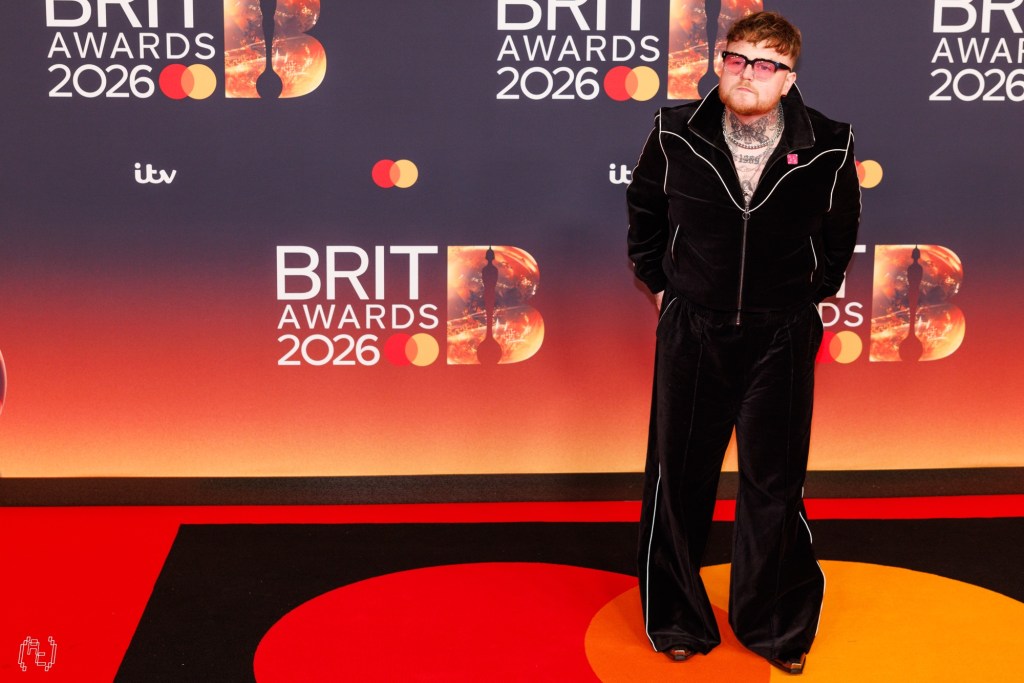
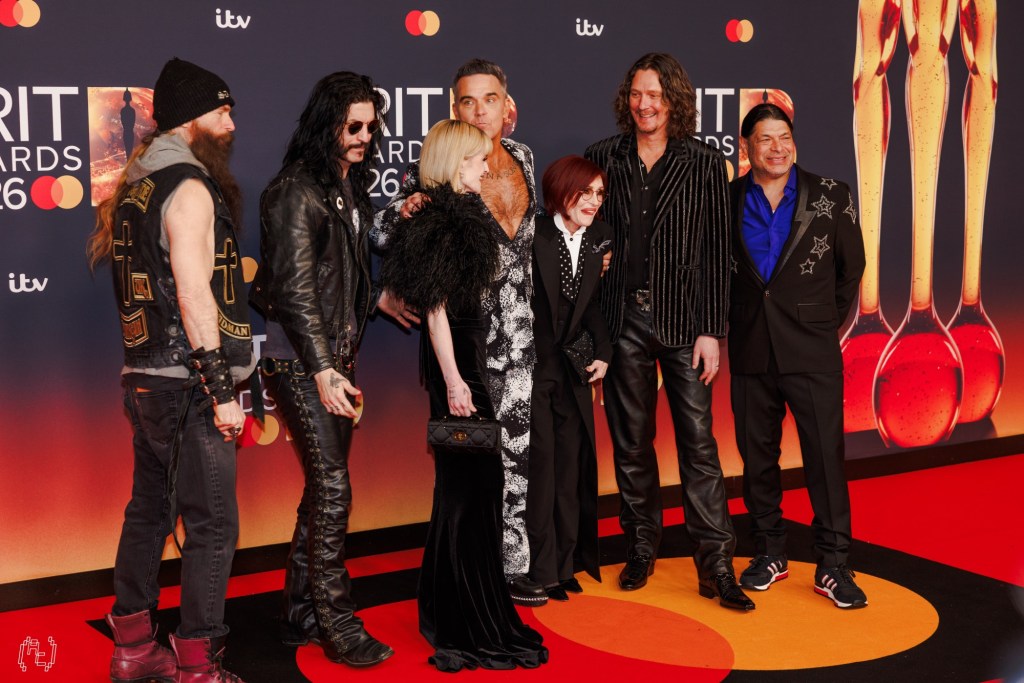
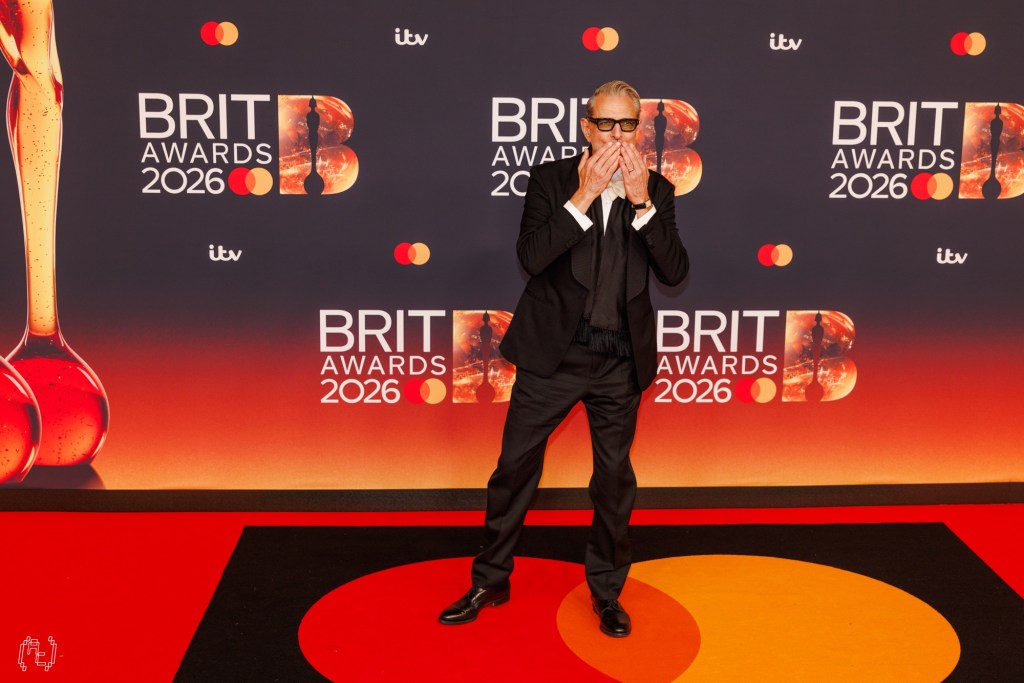
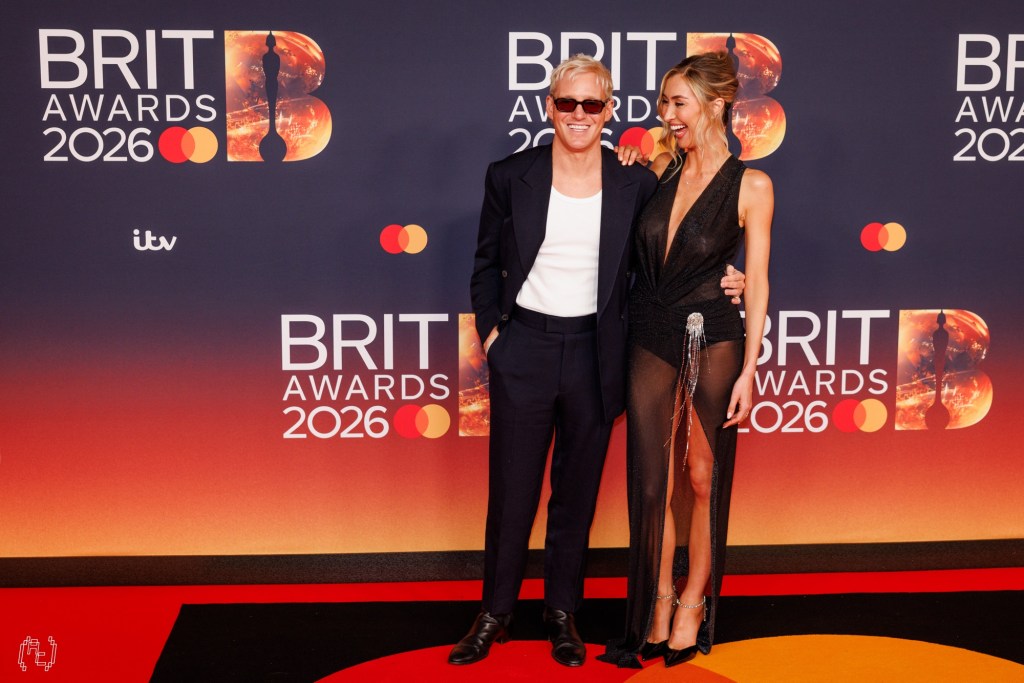
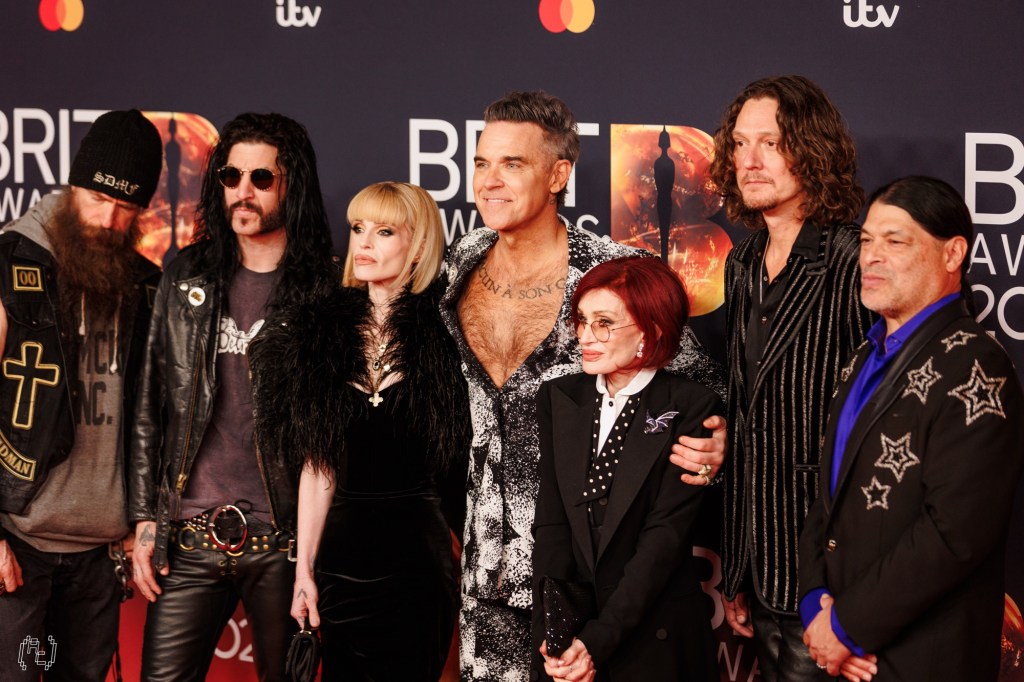
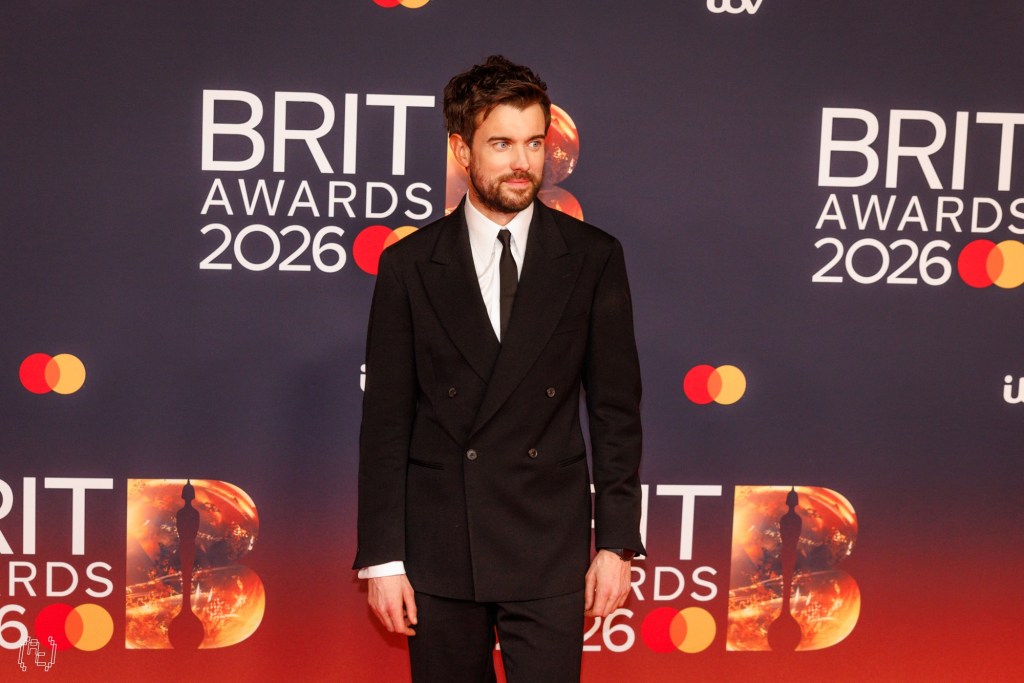
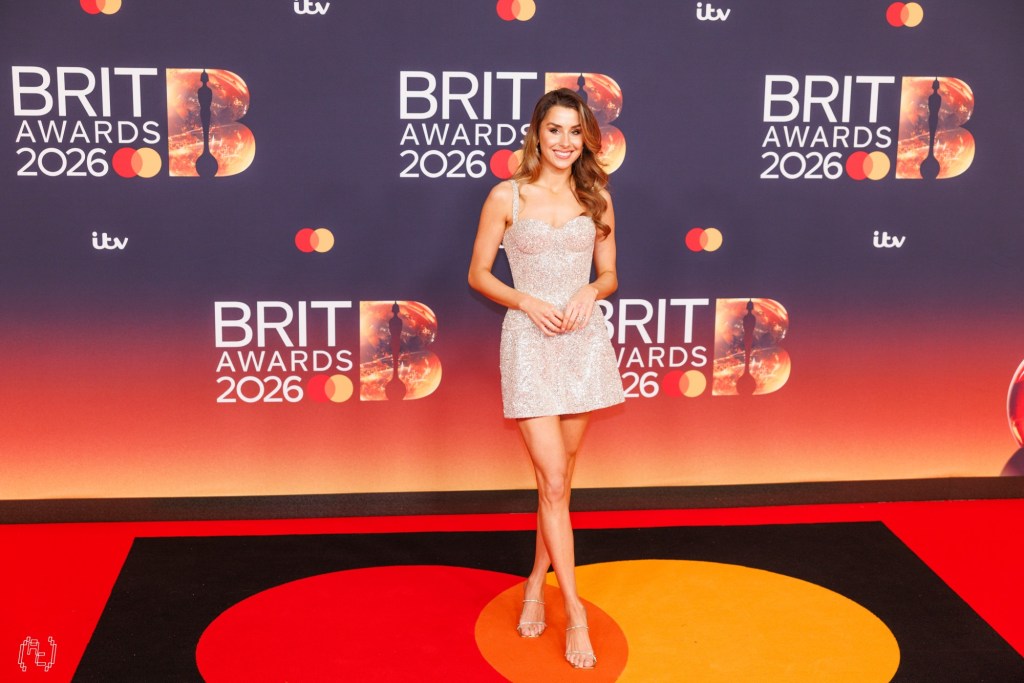
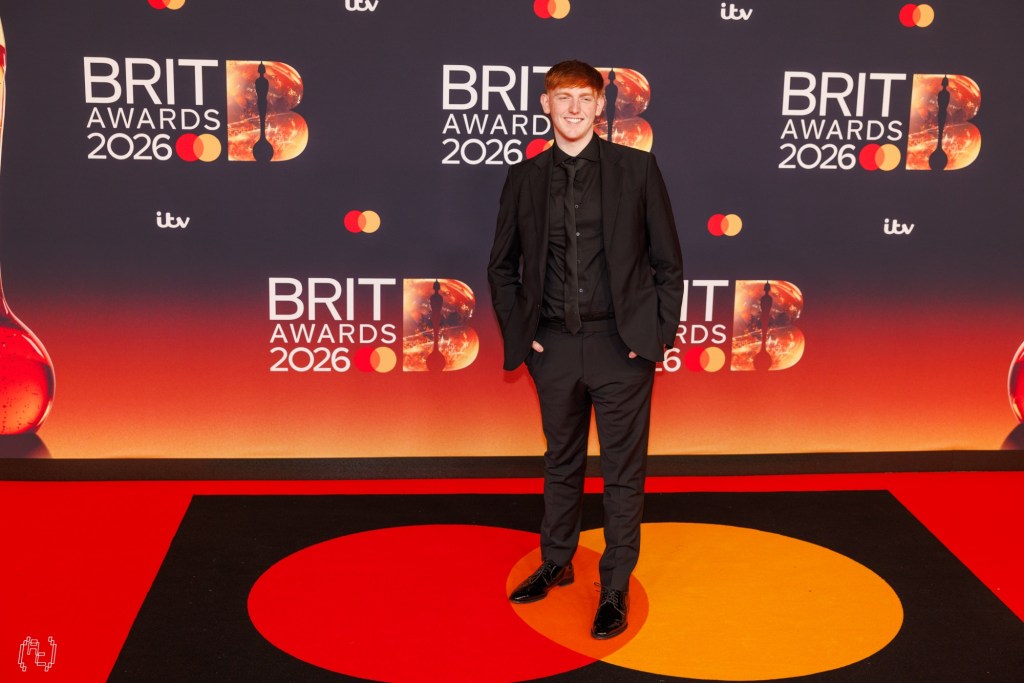
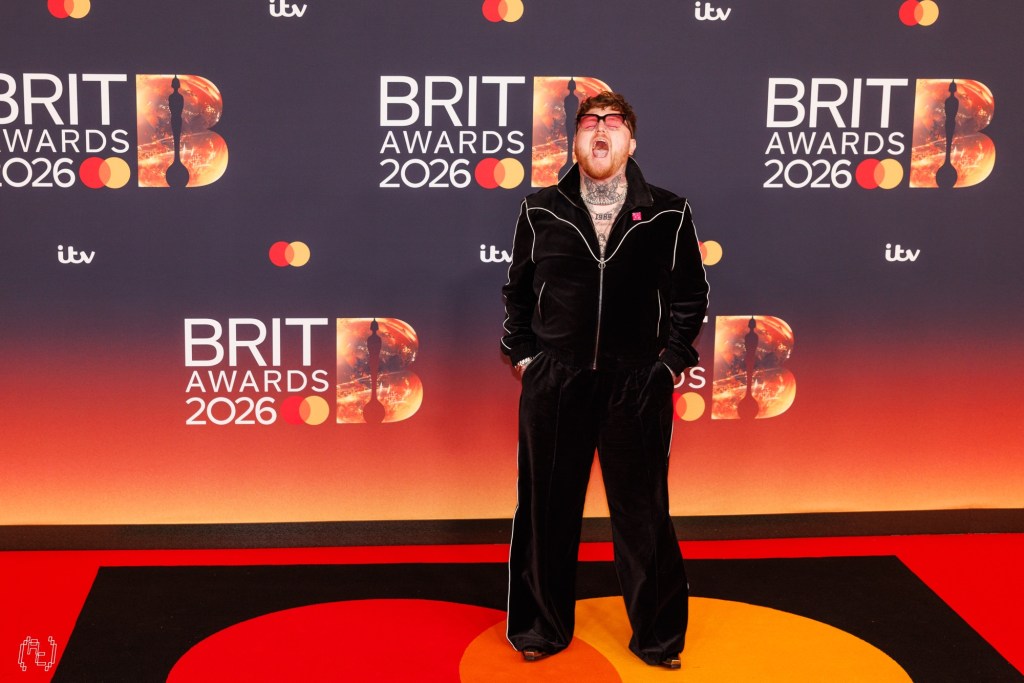
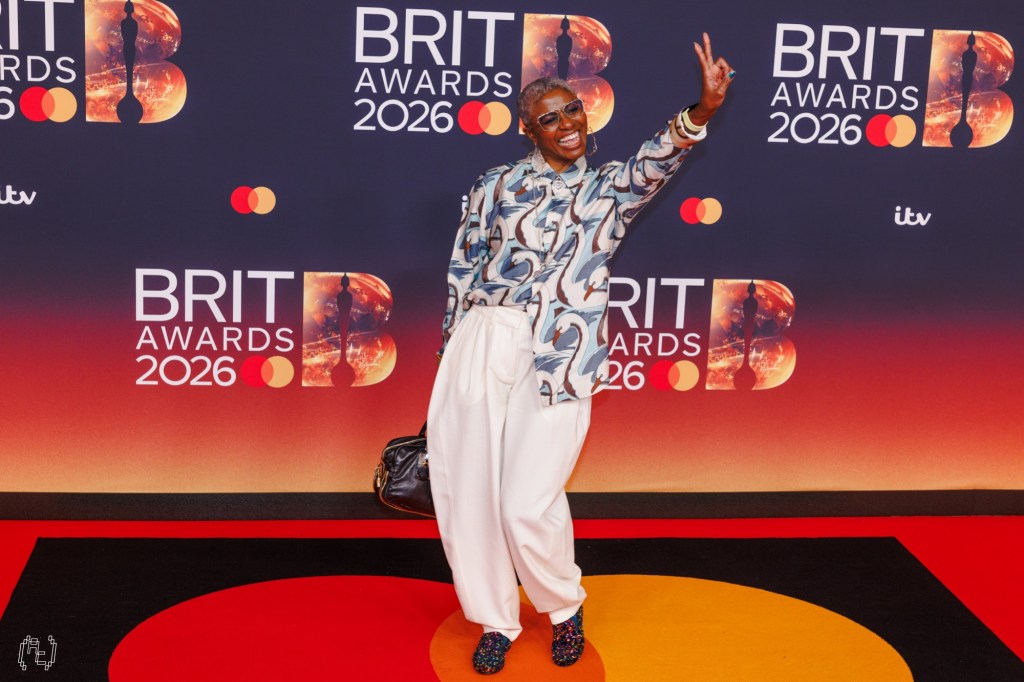
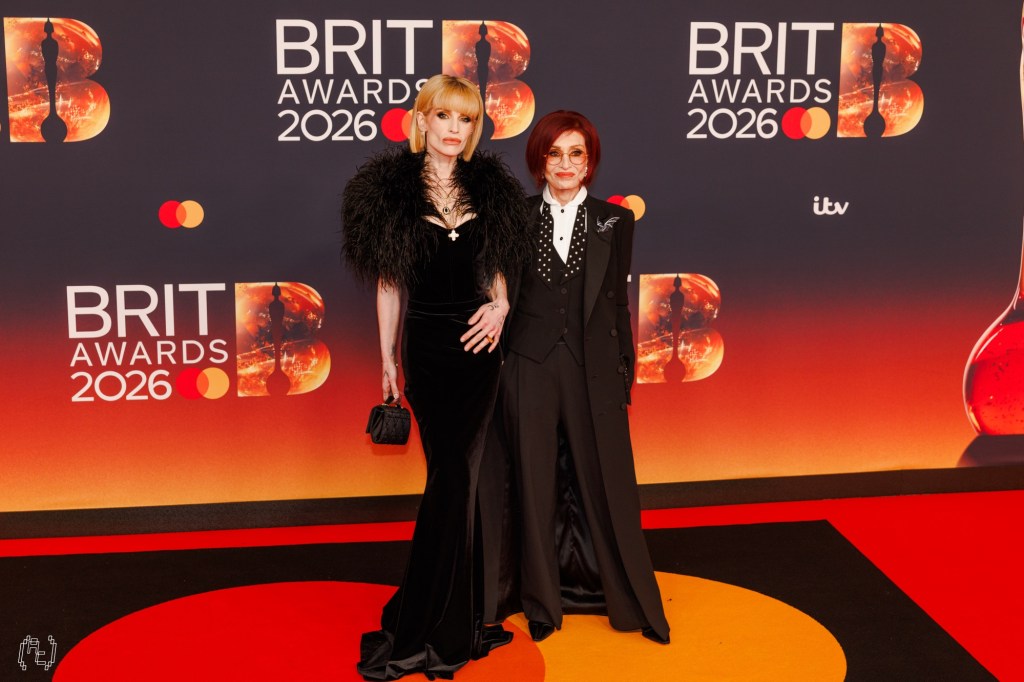
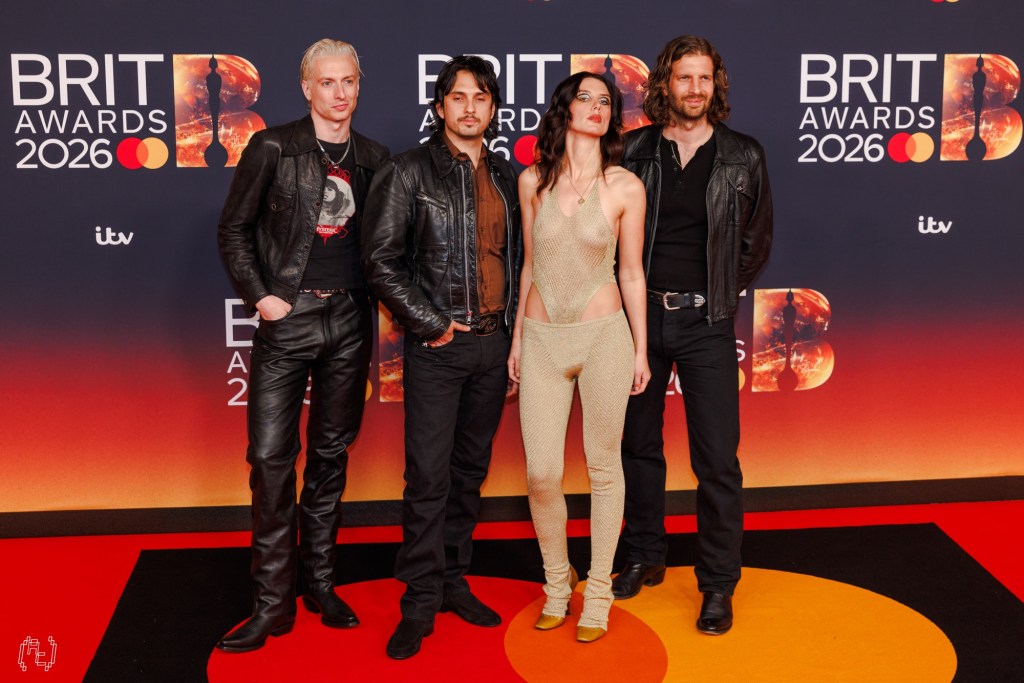
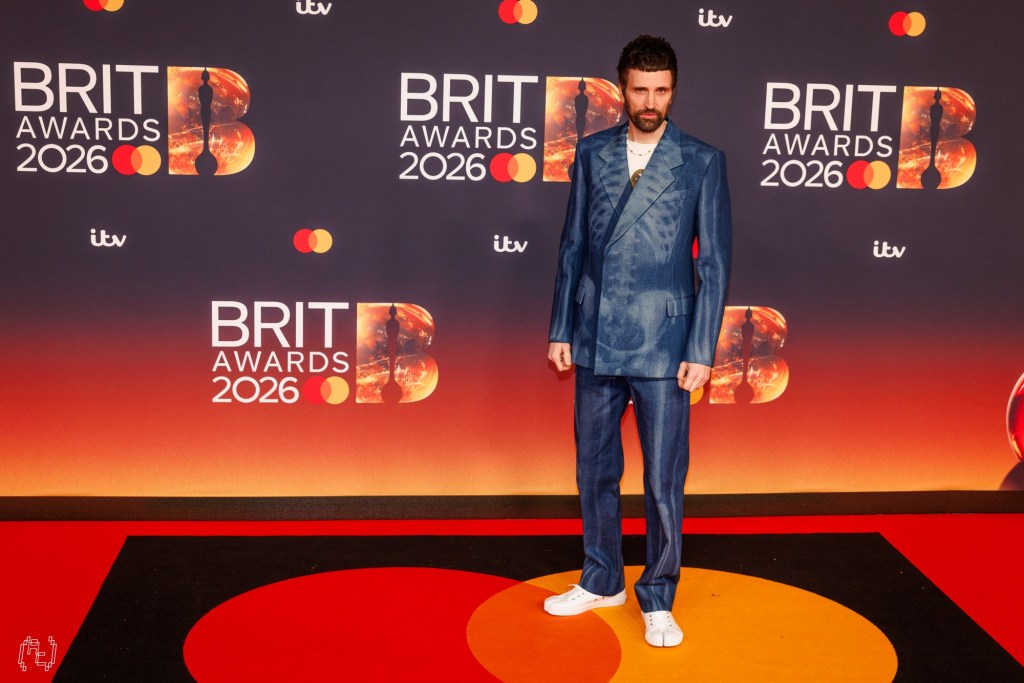
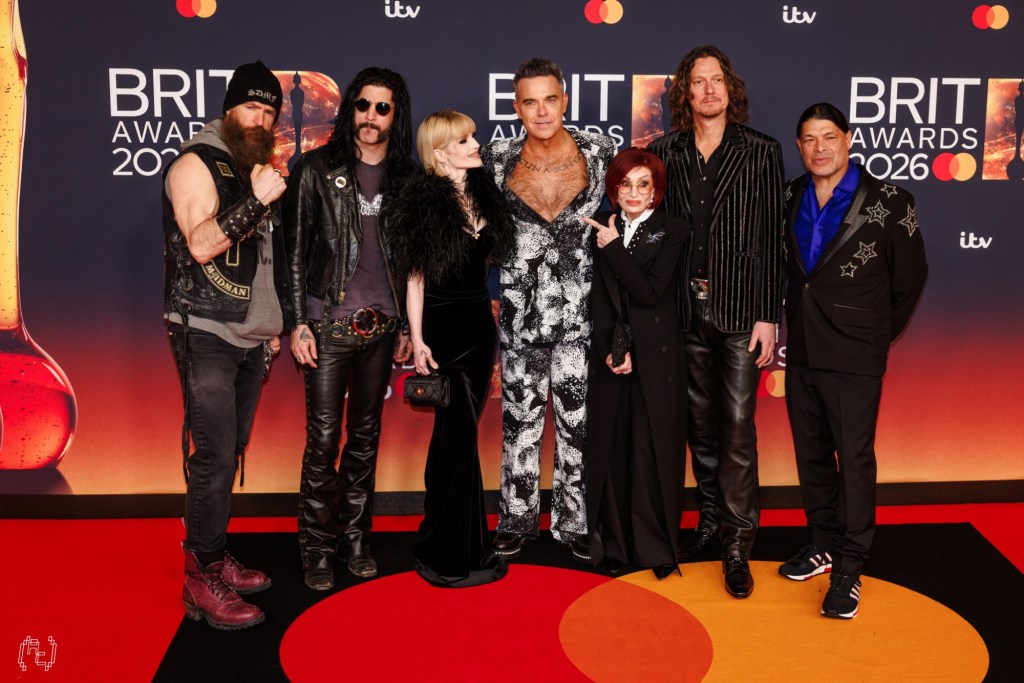
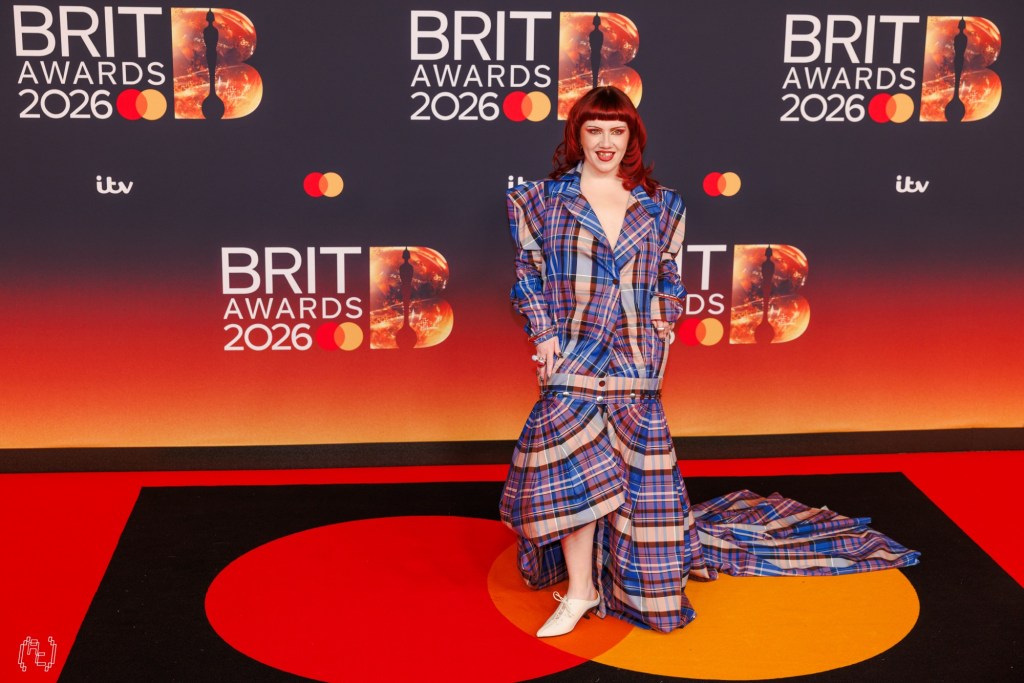
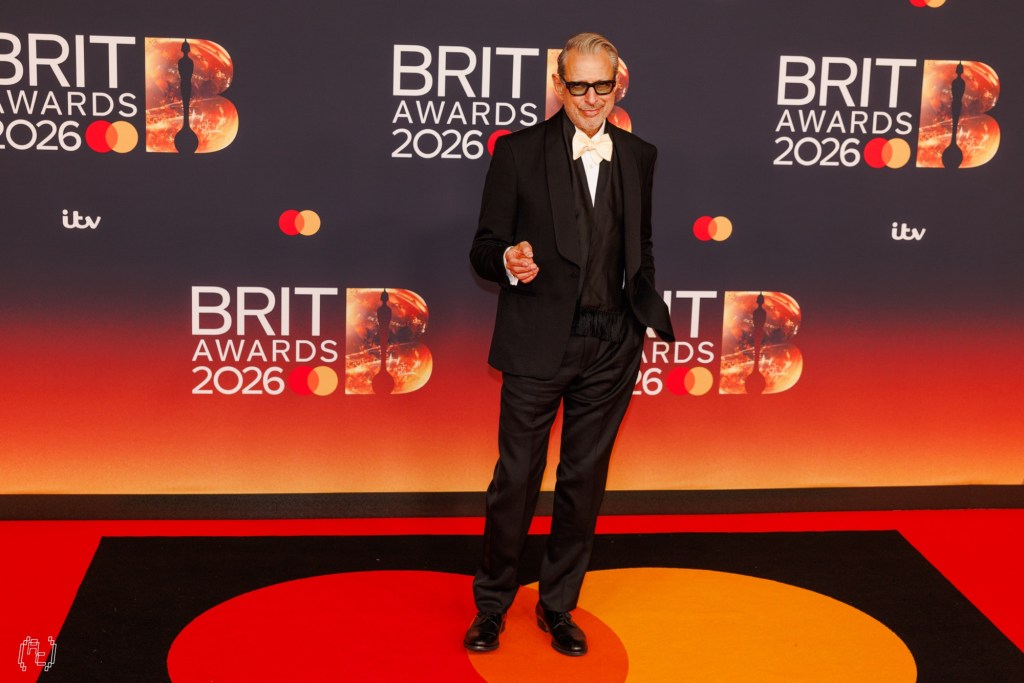
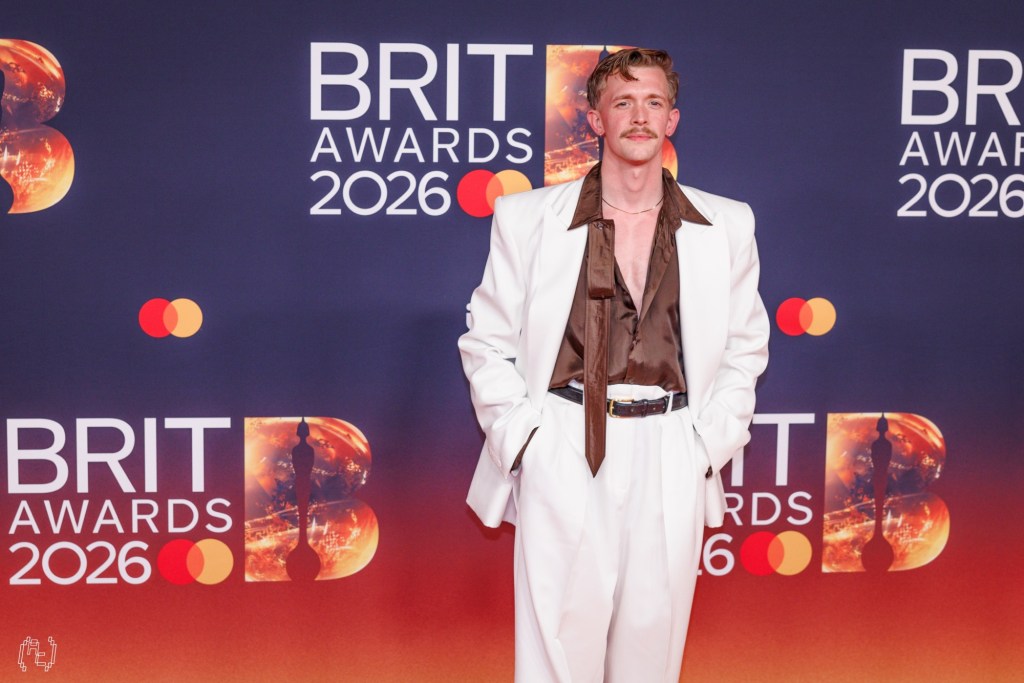
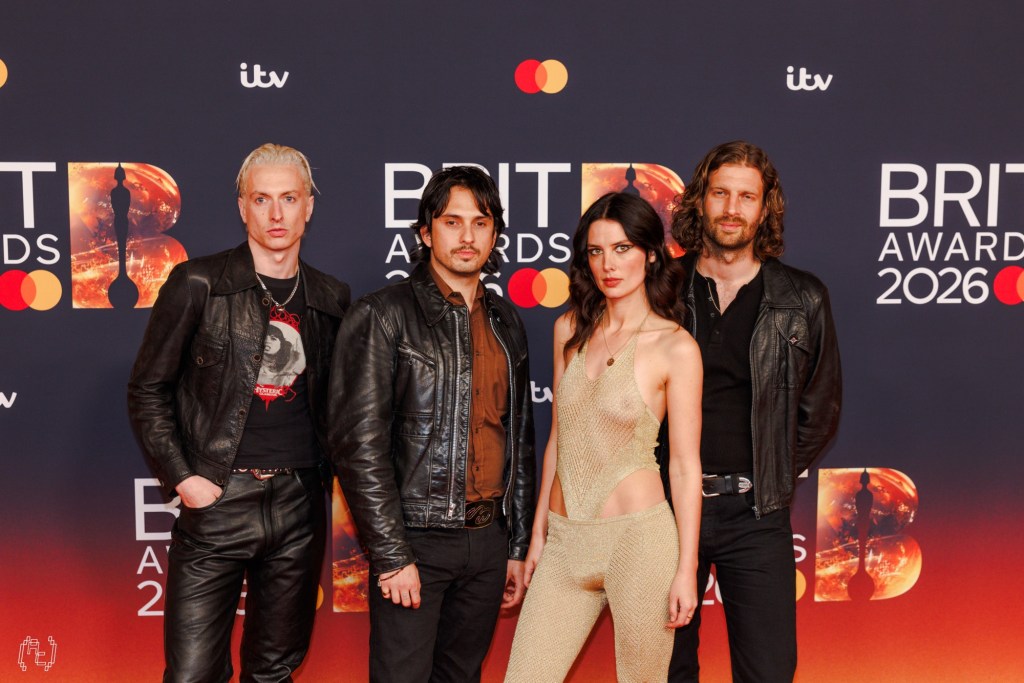
Red carpets are strange ecosystems. There’s choreography to them, but it’s organised chaos. Flashes pop like strobes, publicists move with the urgency of air traffic control, and ignorant millennial photographers lean forward collectively when a name to an unfamiliar face is whispered down the line (guilty).
Being there felt like hovering between two worlds. On one side, polished stylists and immaculate tailoring. On the other, us, music obsessives with notepads and cameras, trying to catch a glance that tells you more than the press release ever will.
Before any of that, though, we were ushered backstage and placed into a literal draw for our position on the carpet, names shuffled and pulled like some oddly polite lottery. Fate landed us in the middle of the second row, not quite front and centre, but close enough to feel the heat of the lights and the collective inhale when someone major stepped up.
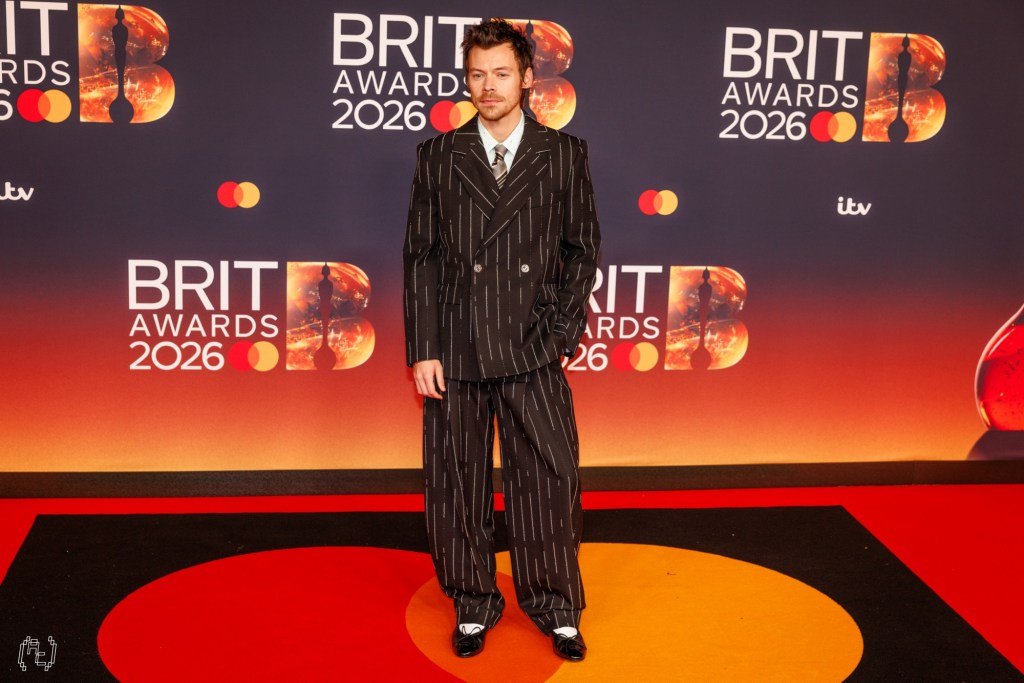
Nominees arrived in waves. Some carried nerves behind their smiles, others looked like they’d already mentally cleared space on the mantelpiece. And then there are the seasoned pros. Harry Styles slowly scans his head from side to side so every camera gets a few seconds of face-on perfection before he pivots and does it again, moving along the carpet with metronomic precision. The smiles switch on in an instant, identical to the last one down to the millimetre. It’s not arrogance, it’s muscle memory. Presenters and performers drift through, pausing just long enough to feed the cameras. You start to realise that for some of them this is just another weekend, executed flawlessly, almost mechanically, before they glide on to the next bank of lenses.
Inside the Ceremony
Once inside, the mood shifted from polite glamour to full-blown arena electricity. The BRITs have always balanced polish with unpredictability, and this year was no exception.
Performances were slick without feeling sterile, ambitious without tipping into excess. The production was vast, LED screens towering, camera cranes swooping, but what stood out was the crowd. Mancunian audiences don’t politely clap. They commit. They chant, they heckle affectionately, they claim the night as their own. Every time Harry Styles edged anywhere near the lip of the stage there were literal wailing screams, the kind that start somewhere deep in the ribcage and tear their way out. It didn’t matter that he’d barely moved, just a slow step towards the crowd and the volume spiked again.
And when RAYE appeared, phones shot into the air in unison, lighting her from the pit in a constellation of screens. You almost wanted to remind people it was being professionally broadcast on national television, that the cameras had this covered, but such was the scale of the moment that everyone needed proof they were there. Grainy vertical clips as souvenirs of a night they’d tell their grandkids about.
When winners took to the stage, not all of them operated with that same metronomic ease. Lola Young was a standout example of someone visibly prepared, words clearly written and rehearsed, yet delivered with a tremor of realness that cut through the polish. It felt less like a press-ready monologue and more like someone steadying themselves in real time. There was a warmth in the room, a sense that something significant had shifted. Not dramatically, not revolutionarily, but symbolically.
The awards themselves still did what awards do, they crowned, they surprised, (yes Geese!) they occasionally baffled. But the subtext of the evening was louder than any acceptance speech. British music is broader than one city. It thrives in rehearsal rooms in Salford, terraces in Sheffield, coastal studios in Brighton. Bringing the BRITs north made that unspoken truth visible.
The Oddness of It All
There is something undeniably odd about standing metres away from artists you’ve reviewed in sweat-soaked venues, now gliding past in couture. You remember the cramped club shows, the sticky floors, the moments before they were headline news. But this wasn’t just our own sense of dislocation, it was Manchester’s particular brand of oddness woven straight into the programme.
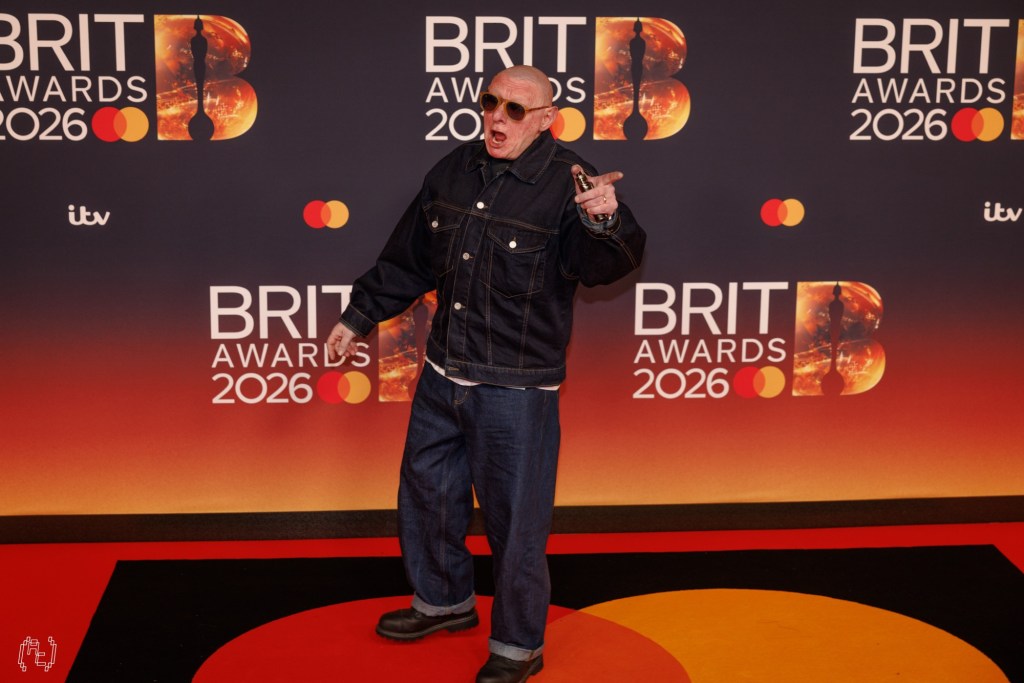
Luke Littler presenting at Britain’s biggest music awards alongside Angry Ginge somehow made perfect sense here, a darts prodigy folded seamlessly into pop royalty. Bez and Shaun Ryder bravely interviewed in the crowd felt less like celebrity cameo and more like local guardians checking in on proceedings. Bobby Gillespie stepping up to present added another layer of northern lineage to the night.
Being invited into that world, even temporarily, feels like peeking behind the curtain. You see the machinery, the polish, the careful construction of a narrative. But you also see the nerves, the gratitude, the flashes of disbelief. And here, uniquely, you saw the wacky collisions that could only really happen outside the capital.
For someone who usually documents what went on and what went down from the crowd, being placed at the industry’s most polished front door was a reminder of why the ecosystem matters. The red carpet might be glossy, but it’s built on years of graft in rooms without carpets at all.
A Northern Statement
Hosting the BRITs in Manchester wasn’t just a change of postcode. It was a recognition that British music’s heartbeat is distributed, decentralised, defiantly diverse. The city felt proud without being smug, celebratory without losing its edge.
Even the rain seemed to get the sense of occasion and politely hold off, leaving bright lights, sharp tailoring and an unmistakable buzz hanging in the air. From arena-wide singalongs to that final swell of applause, the 2026 BRIT Awards proved that Britain’s biggest music night doesn’t lose its shine outside London, it gains something grittier, warmer and more real.
And standing there, slightly dazzled and still not entirely convinced my entry was legitimate, it felt like British music had chosen exactly the right city to celebrate itself, and the show and the artists rose to the occasion brilliantly.
Photo Gallery by Alex Cropper